In an era defined by the explosive growth of e-commerce and the high-intensity operation of global supply chains, the demand for industrial packaging materials—particularly bubble wrap, protective air-cushion film, EPE foam (pearl cotton), and plastic films—has risen exponentially. Traditionally, production lines for these materials have faced two persistent challenges: the high physical strain of manual unloading and the significant loss of efficiency caused by production stoppages during roll changes.
Large-diameter, high-density rolls of bubble wrap are both heavy and bulky. Relying on manual handling not only increases the risk of workplace injuries but also leads to frequent production halts, which significantly lowers the overall equipment effectiveness (OEE) of the line. To address these pain points, we have introduced an industrial-grade, automated bubble wrap rewinding and unloading system. This article provides an in-depth look at the system’s core technical advantages, its automated operational workflow, and the return on investment (ROI) it offers to modern packaging enterprises.
1. Intelligent Rail-Guided Translation and Precision Positioning
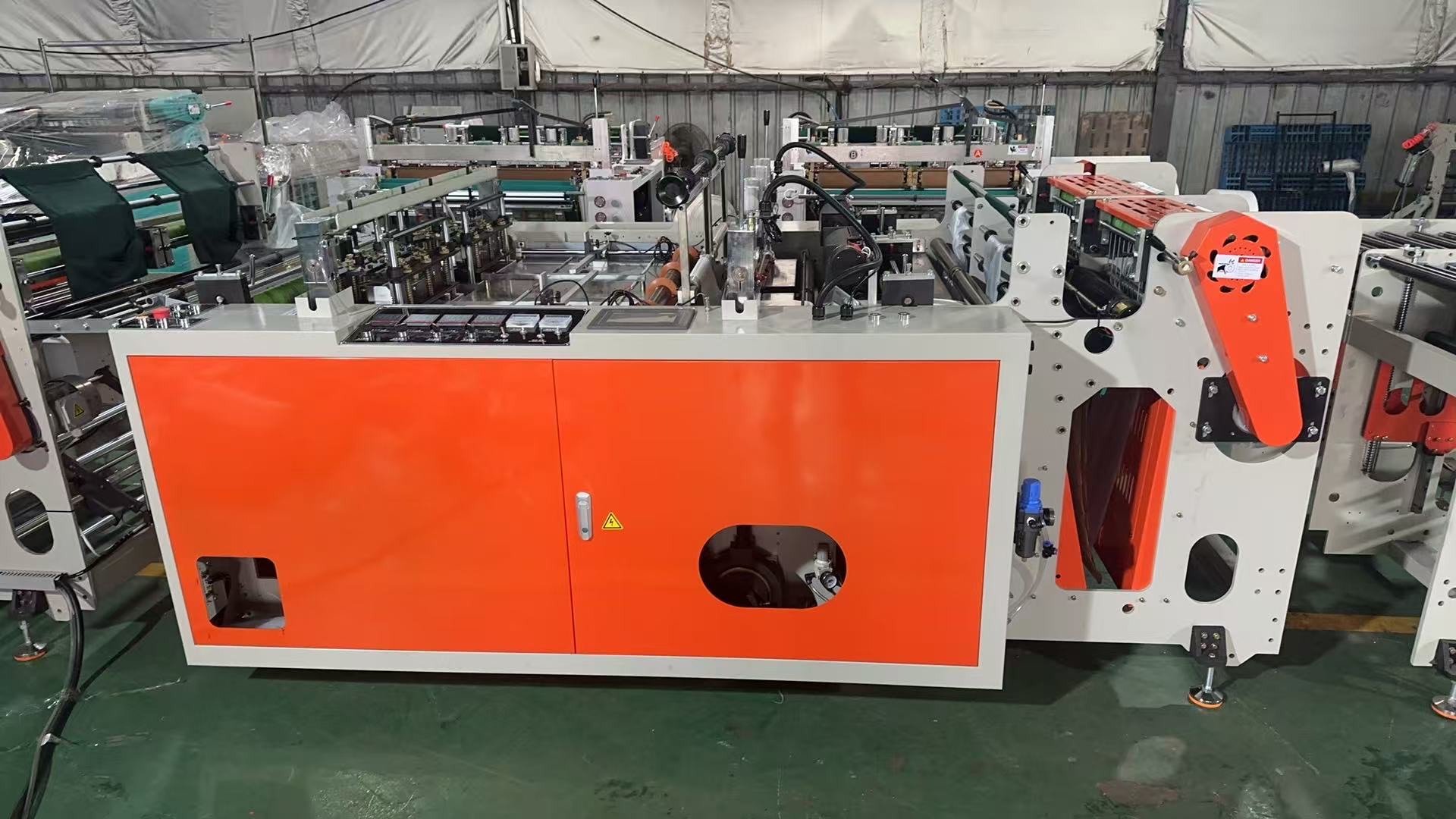
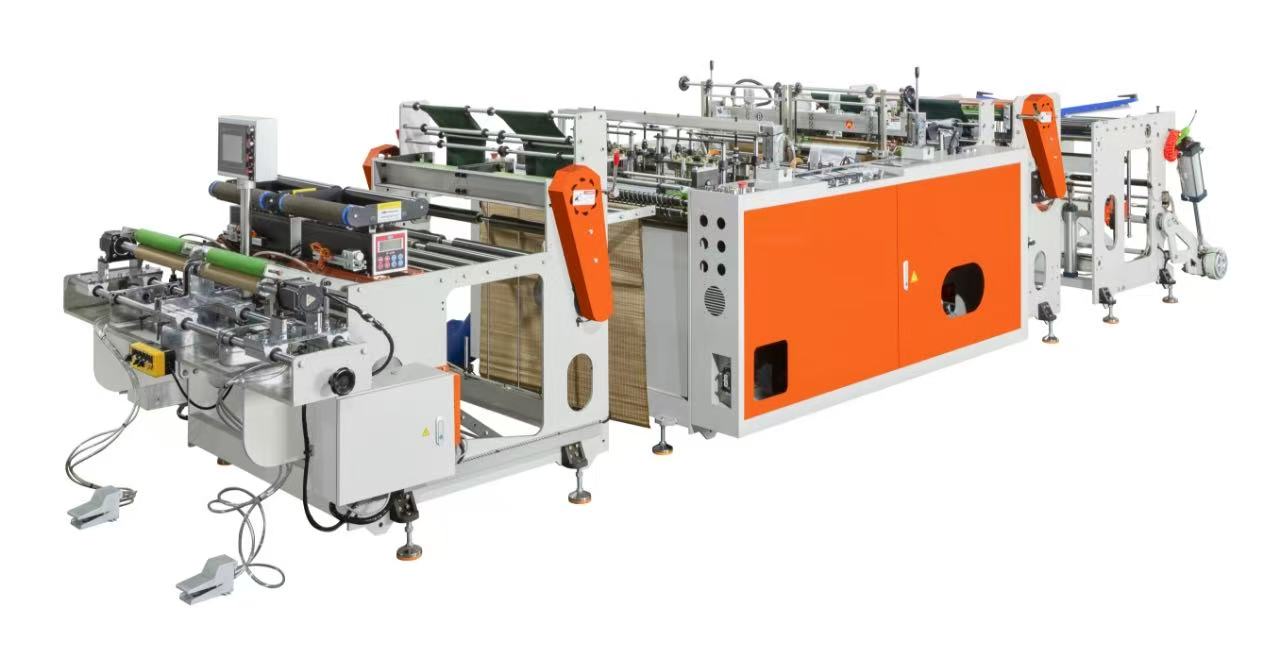
Once a roll of bubble wrap reaches the preset length or diameter, the system’s lateral support arms and guiding mechanisms—directed by a programmable logic controller (PLC)—move smoothly along high-precision linear rails. This motion is stable and fluid, free from vibrations or jolts, ensuring the edges of the film roll remain perfectly intact.
2. Rapid Air-Shaft Depressurization and Automated Unloading
The system is equipped with a high-quality air shaft. Upon reaching the designated unloading position, the pneumatic system automatically releases the air pressure, allowing the finished roll to be easily detached from the shaft. Operators can remove the rolls without the need for pry bars or cumbersome mechanical tools, drastically reducing the time required for each roll change.
3. Cantilevered Support Structure and Ergonomic Design
The machine frame is constructed from high-strength steel using precision welding techniques, finished in a modern, practical black-and-white industrial color scheme. The cantilevered design provides ample, safe workspace for operators, eliminating the pinch-point hazards often associated with traditional, fully enclosed machine frames. 4. Integrated Touchscreen Human-Machine Interface (HMI)
The main control cabinet on the side features an integrated intelligent touchscreen, allowing operators to monitor winding speed, tension control parameters, roll length, and self-diagnostic fault information in real time. It also enables one-touch startup and seamless mode switching.
II. Why Choose Automated Bubble Film Rewinding and Unloading Equipment?
1. Reduced Labor Intensity and Enhanced Production Safety
In traditional unloading processes, two physically strong workers are often required to lift film rolls weighing tens of kilograms. Repeatedly performing such tasks over time frequently leads to occupational injuries, such as lower back strain. This equipment’s automated unloading track handles over 90% of the weight, requiring workers only to perform light handling tasks—significantly improving the workshop environment and overall safety.
2. Minimized Downtime and Doubled Productivity
In continuous production lines, time is profit. While traditional roll-changing and unloading processes typically take 3–5 minutes, the automated lateral unloading system reduces this time to just a few seconds. Based on a 24-hour continuous operation cycle, a single unit can increase effective production time by 15%–25% per day.
3. Precise Tension Control for Superior Roll Quality
The equipment incorporates an advanced dynamic tension compensation system, ensuring constant winding tension regardless of whether the roll diameter is large or small. This prevents issues such as bubble rupture (caused by excessive tension) or loose, deformed rolls (caused by insufficient tension), thereby significantly reducing the scrap rate. Applications include: E-commerce protective packaging (rewinding and slitting of bubble film, air-cushion film, and air-column bags).
Plastic films and flexible packaging: Downstream processing of PE, POF, and PVC shrink films, as well as stretch wrap.
Advanced thermal and insulation materials: Roll packaging for bubble-laminated aluminum foil and construction insulation mats.
Electronics and precision instrument protection: Automated processing of anti-static bubble film and EPE (expanded polyethylene) foam. Labor cost savings: Each production line eliminates the need for one dedicated unloading operator. Based on average annual labor costs, this alone allows for the recovery of equipment upgrade costs within 12–18 months.
Reduced loss rate: Automated unloading minimizes damage—such as scratches or impacts—to the outer bubble-wrap packaging that often occurs during manual handling, increasing material utilization by over 2%.
Higher customer satisfaction: High-quality rolls with neatly finished edges are more likely to secure long-term orders from premium clients.