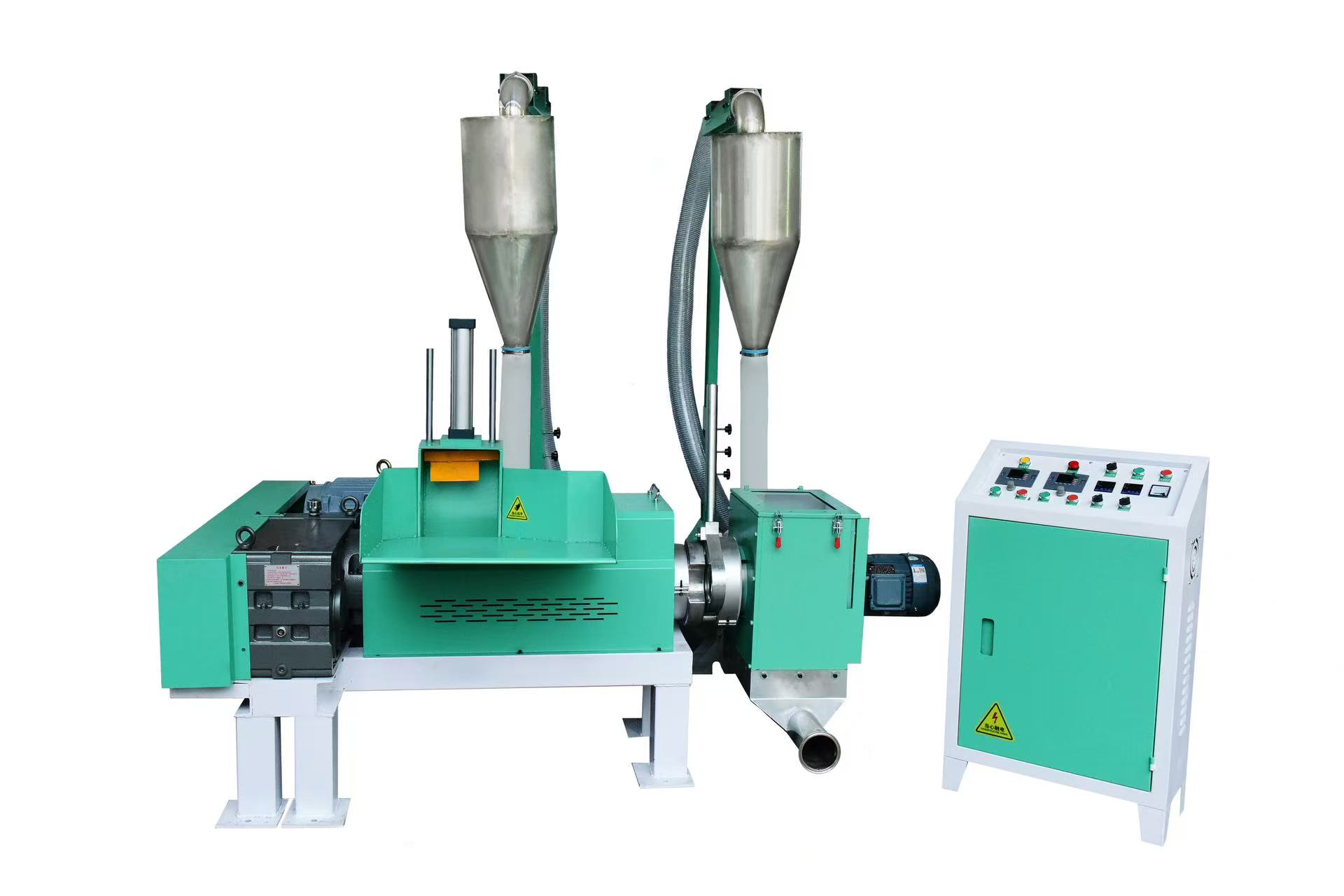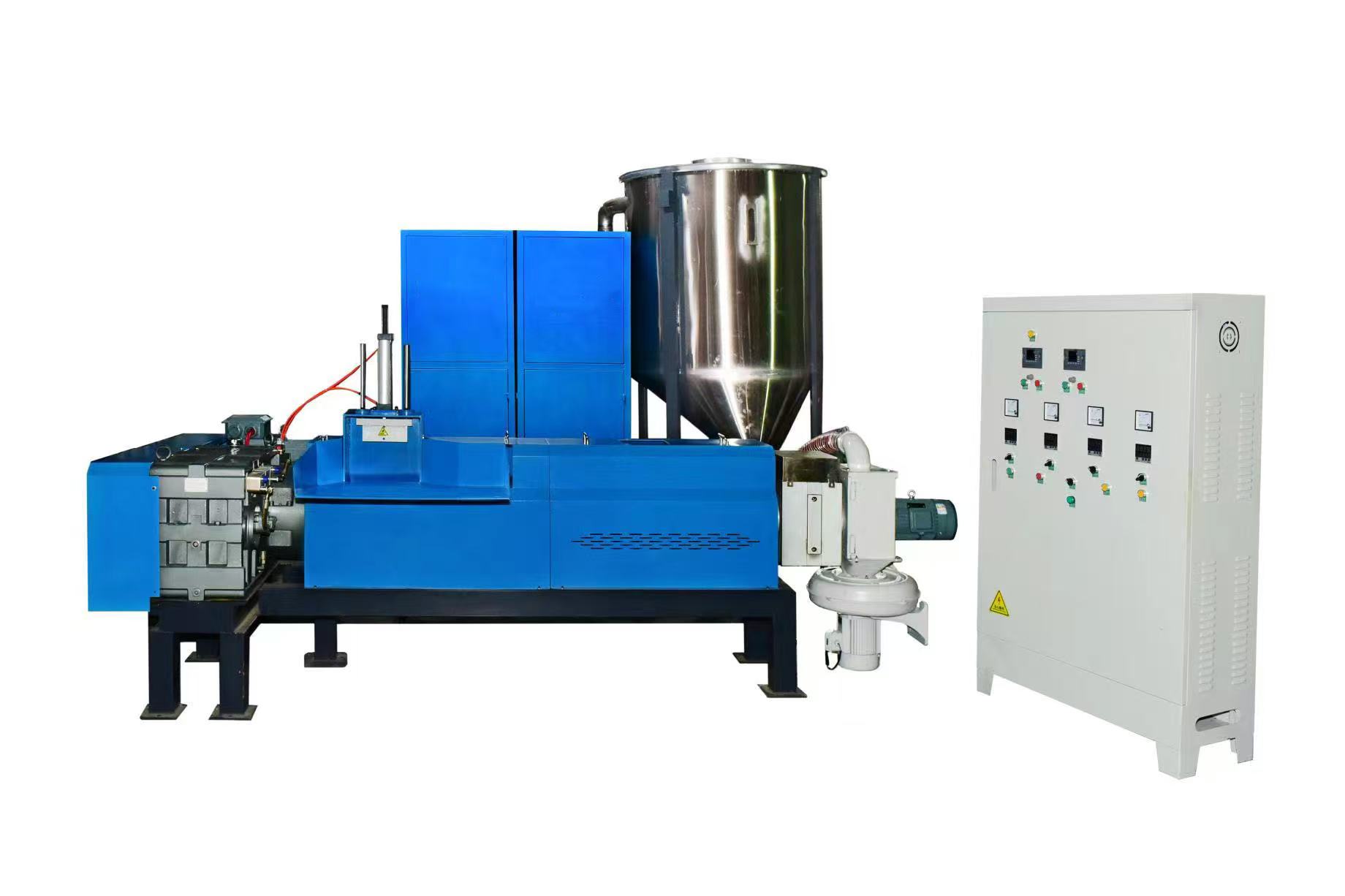
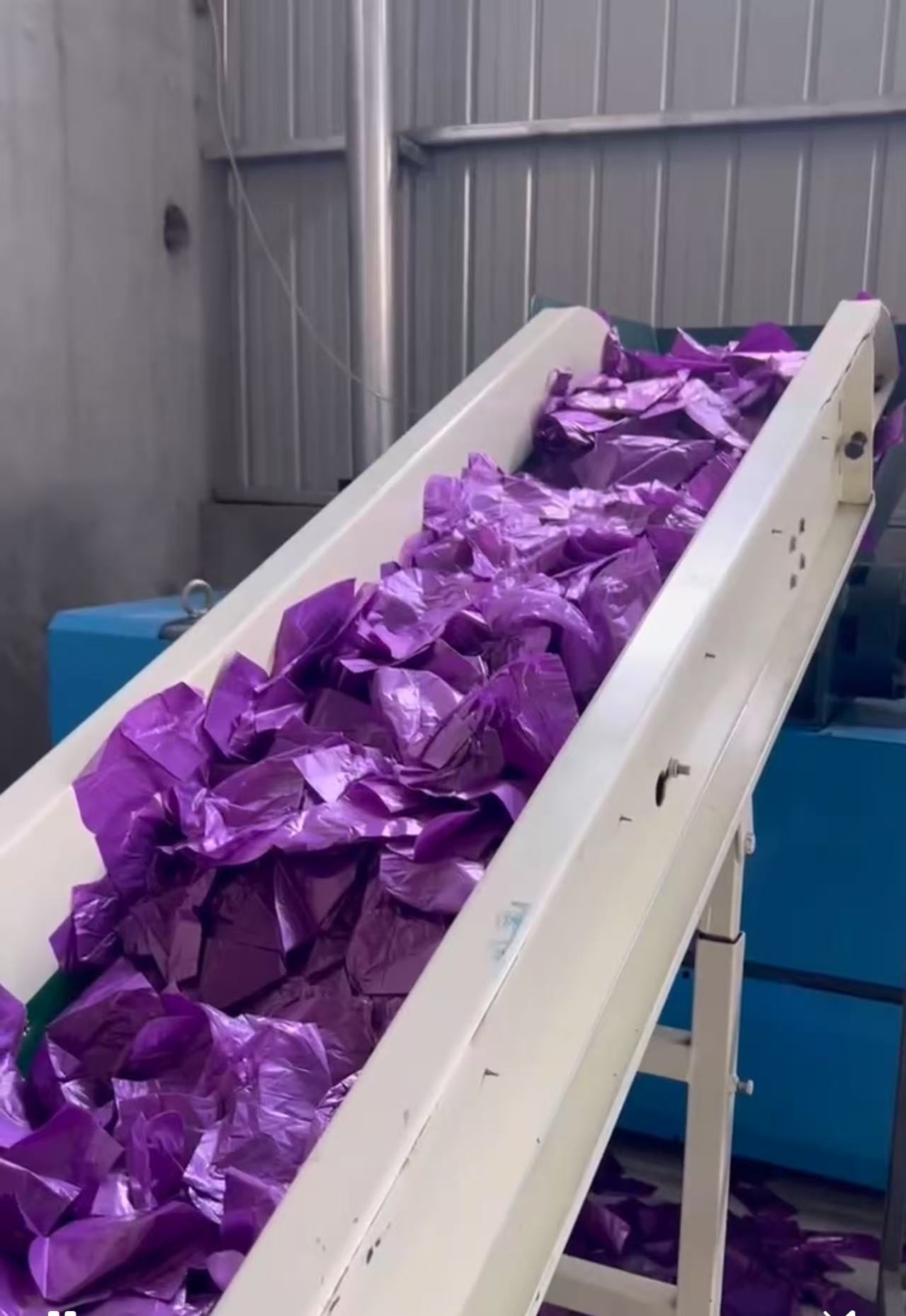
Emerging trends in the plastic recycling and pelletizing industry emphasize efficiency, quality, and energy conservation. Automated conveying and feeding capabilities reduce manual handling costs while ensuring a smooth, continuous material flow.
The system features high-efficiency plasticization and robust shredding, capable of effectively processing various materials—from plastic films and used woven bags to bulky plastic waste—through intensive shredding, melting, and plasticization.
Advanced die-head and pelletizing technologies, such as the air-cooled hot-face pelletizing process, allow for pellets to be cut directly at the die face and cooled by an airflow. This eliminates the cumbersome steps associated with traditional water-cooled strand pelletizing, resulting in more uniform, aesthetically pleasing pellets with zero moisture content.
Designed for durability and stability, the equipment is built to withstand high-intensity, long-term continuous industrial operation. The automated feeding and conveying system—shown at the beginning of the video—utilizes an inclined automatic conveyor belt. Workers place pre-processed plastic film or waste onto the belt, which then delivers the material at a steady, consistent rate into the main unit’s feed inlet. This design significantly reduces the physical labor required from operators while ensuring a continuous and uniform feed, preventing fluctuations in machine load that can occur with manual feeding. 2. High-Performance Main Unit with Powerful Shredding and Plasticization: The video highlights a striking blue main unit, showcasing its robust industrial design. Workers are shown performing precise adjustments and maintenance on the equipment. The unit incorporates a highly wear-resistant, high-efficiency screw and barrel assembly, which subjects the incoming plastic waste to intense shearing, melting, and plasticization. Whether processing common plastic films like PE and PP or complex mixed waste, the unit handles the material with ease, achieving a high degree of plasticization and high output. 3. Core Process Highlights: The “220 Pressure-Resistant Die-Head” and Air-Cooled Hot-Face Pelletizing Technology: The video provides a close-up look at the system’s key technological features—the “220 pressure-resistant die-head” and the “air-cooled hot-face pelletizing” system. Pressure-Resistant Die Head: Designed for high-pressure extrusion environments, this component offers exceptional resistance to pressure and high temperatures, ensuring no material leakage or deformation during prolonged operation. Air-Cooled Hot-Face Pelletizing: Unlike traditional water-cooled strand pelletizing, this technology eliminates the need for a cooling water bath, thereby avoiding issues such as moisture absorption by the pellets and the subsequent requirement for secondary drying. As the molten plastic exits the die head, it is immediately cut by high-speed rotating blades and rapidly cooled and solidified by a powerful airflow. The resulting pellets are uniform in shape, high in density, and free of water stains; this process bypasses the need for dewatering and complex drying stages, significantly saving both factory floor space and energy. High throughput and continuous, stable operation: The entire production line—from conveying and shredding to extrusion and air-cooled hot-face pelletizing—features seamless, end-to-end integration. An optimized mechanical structure ensures a minimal failure rate even under full-load conditions, meeting the demands of 24/7 continuous industrial production.
2. Superior Quality of Recycled Pellets
Thanks to a precise temperature control system and the uniform flow distribution provided by the pressure-resistant die head, the plastic material does not undergo excessive thermal decomposition during the plasticization process. The pellets produced via air-cooled hot-face pelletizing are dense, bubble-free, and exhibit excellent flow properties. They are ready for immediate use in secondary processing—such as film blowing or injection molding—and command a higher market value.
3. Eco-Friendly, Energy-Efficient, and Resource-Saving
Modern environmental regulations impose strict requirements on energy consumption and wastewater discharge for plastics processing facilities. This equipment utilizes a fully air-cooled design, generating zero industrial wastewater and effectively eliminating concerns regarding environmental compliance. Furthermore, the optimized heating and drive systems significantly reduce electricity consumption per ton of processed material.
4. Ease of Operation, Safety, and Reliability
The entire production line is equipped with a modern, intelligent electrical control cabinet, allowing for clear, at-a-glance monitoring of parameters such as temperature, current, and rotational speed. Ergonomic safety guards and emergency stop mechanisms are integrated throughout to ensure the comprehensive safety of operators. This multifunctional plastic recycling and pelletizing machine is well-suited for the reprocessing of a wide range of waste plastics:
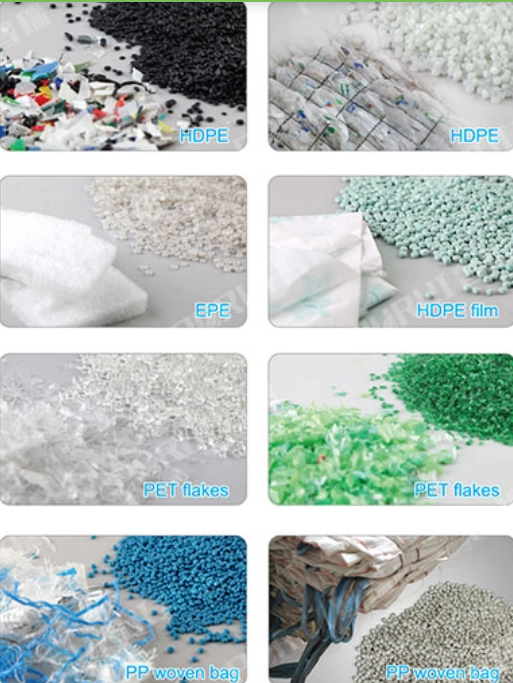
Agricultural and mulch films: Converts PE mulch films recovered from fields into high-quality recycled pellets.
Packaging films, courier bags, and stretch wrap: Efficiently processes industrial scrap and commercially recovered films.
Woven bags and mixed PP/PE plastic waste: Achieves high-efficiency pelletizing through robust shredding and plasticizing capabilities.
Whether you are establishing a new plastic recycling plant or upgrading an existing production line, this equipment is an ideal choice.