In today’s fast-evolving plastic manufacturing and recycling industry, business owners and plant operators face unprecedented challenges. Rising raw material prices, stringent environmental regulations, growing labor expenses, and the market’s push toward sustainable practices demand a shift in manufacturing strategy. To stay competitive and profitable, modern plastic recycling facilities must prioritize operational automation, energy efficiency, and consistent pellet quality.
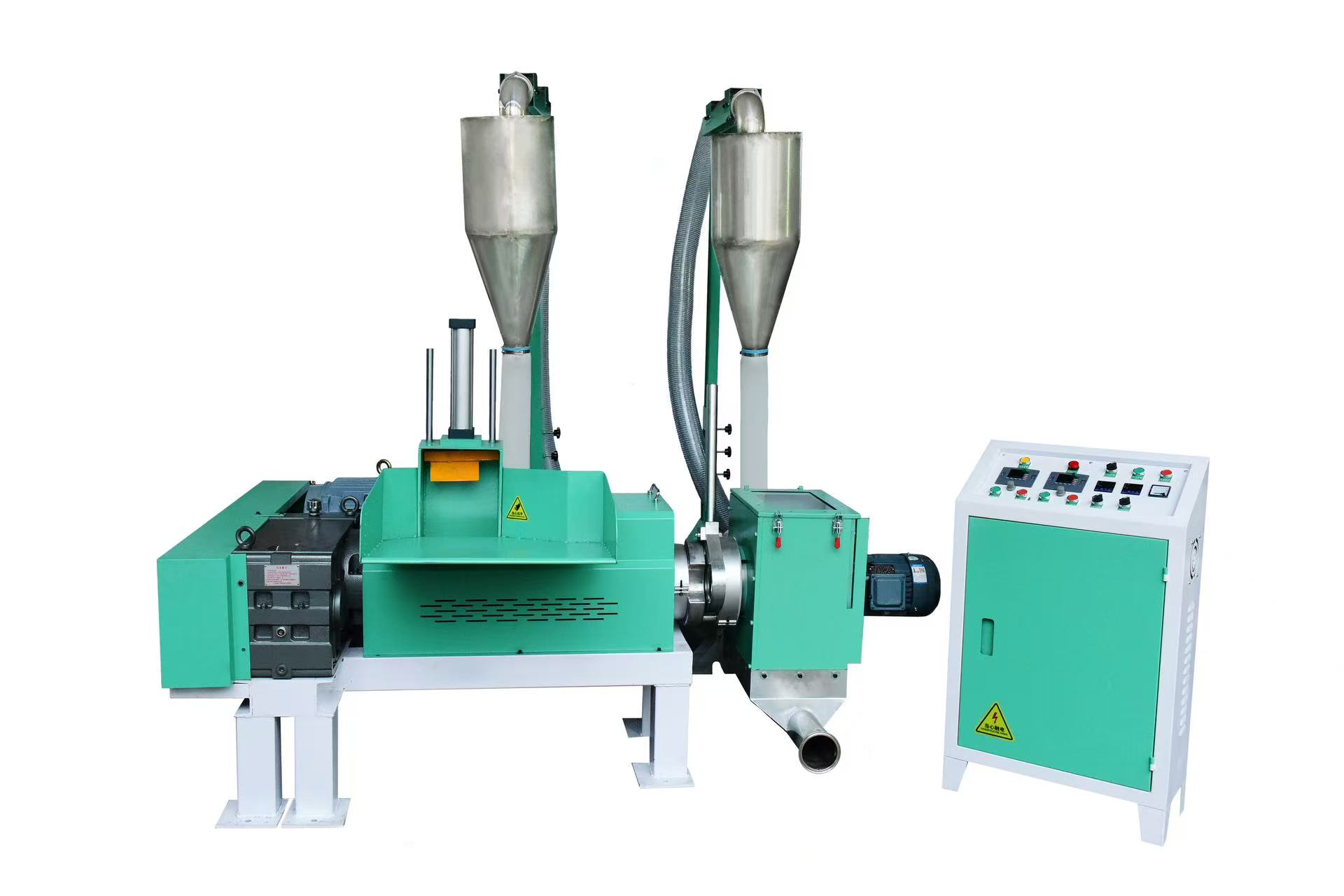
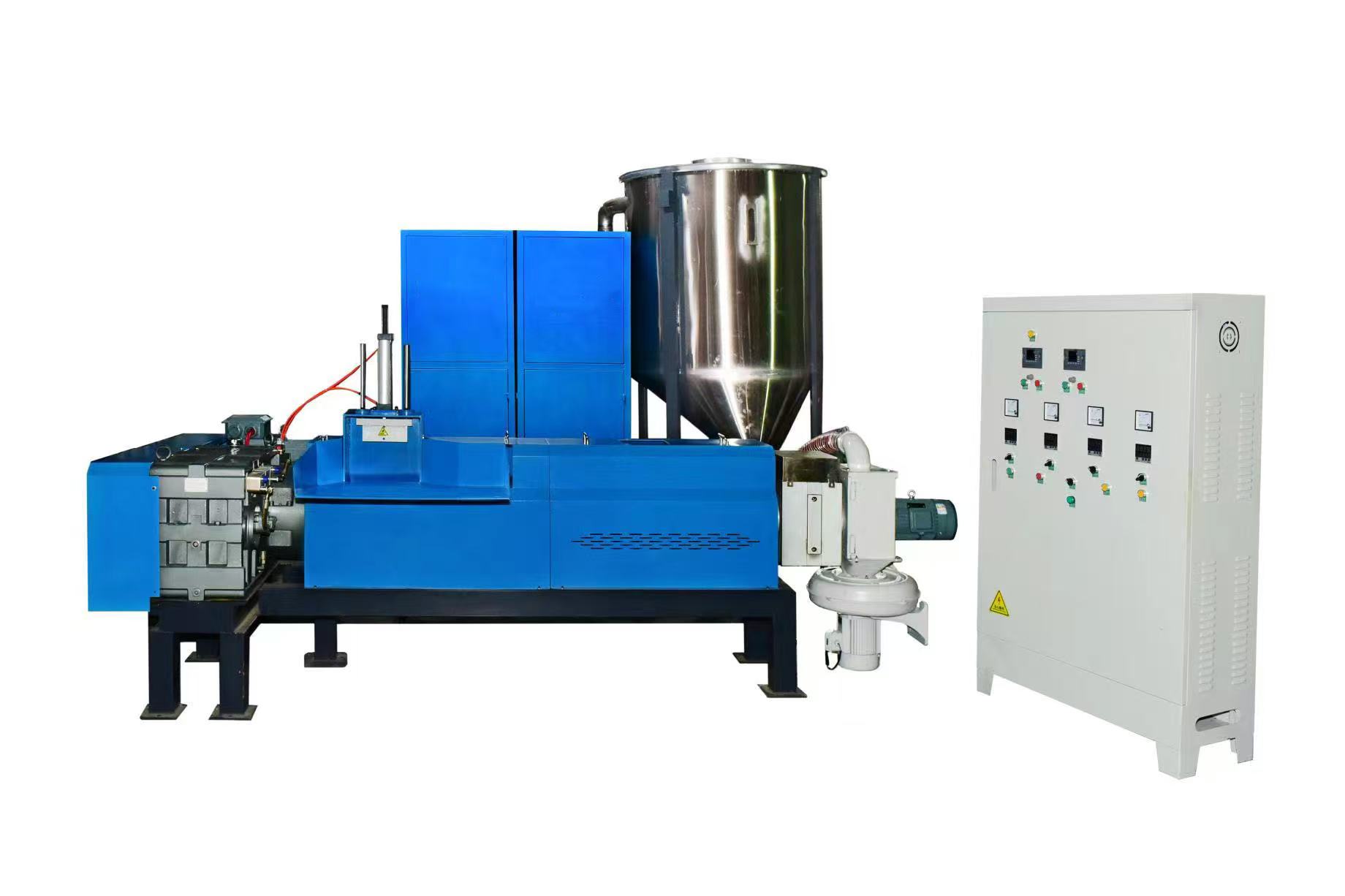
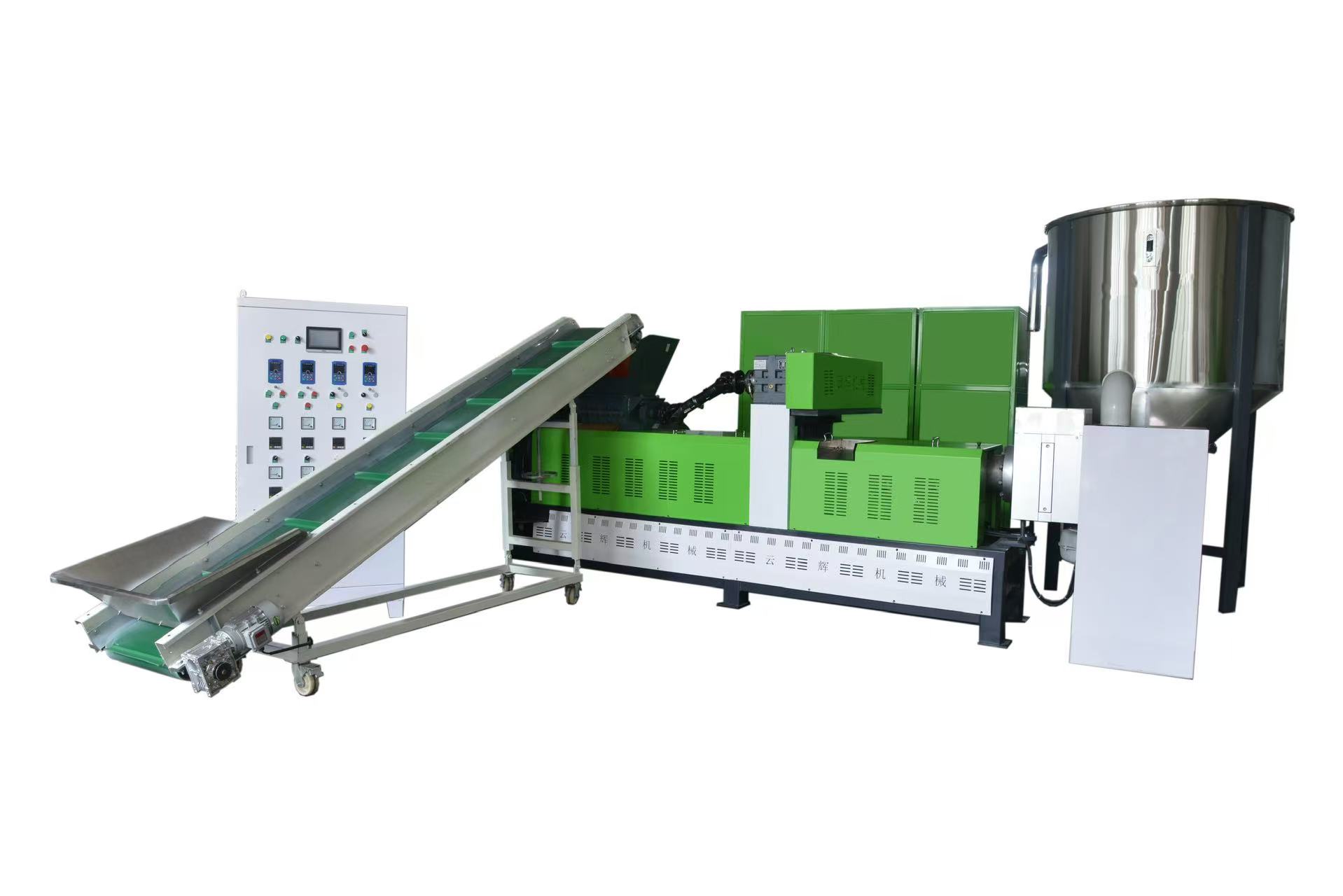
Among the various equipment setups available on the market today, the integration of an automated Conveyor Belt Feeding System paired with an advanced Air-Cooled Hot-Cut Pelletizing Line has emerged as one of the most practical and high-ROI solutions for modern recycling factories.
In this comprehensive guide, we will explore how this synchronized recycling setup operates, the specific technical advantages it offers over traditional manual-feed and water-ring systems, and how partnering with the right machinery supplier can elevate your production line’s daily output.
The Core Challenge in Modern Plastic Waste Processing
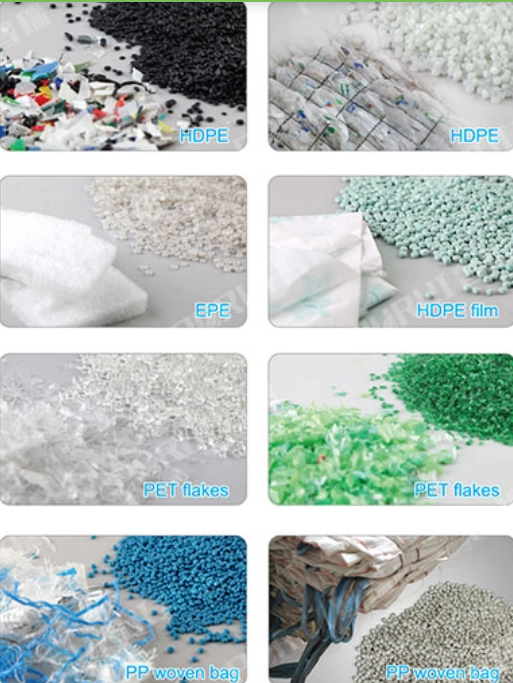
Plastic waste comes in many forms—industrial edge trims, film scrap, post-consumer bags, HDPE/LDPE waste, and rigid flakes. Traditionally, recycling these materials required intensive manual labor and high operational costs:
-
Labor-Intensive Feeding: Operators manually stuffed loose film or shredded plastic into extrusion hoppers. This method resulted in uneven feeding speed, worker fatigue, safety hazards, and frequent machine downtime.
-
Moisture and Wastewater Issues: Conventional water-cooled pelletizing lines require continuous water usage, expensive filtration systems, and secondary drying units. Moisture remaining on recycled pellets often causes bubbling or porosity during subsequent injection molding or film blowing processes.
-
High Maintenance & Wear: Substandard die heads and manual temperature controls often lead to nozzle clogging, thermal degradation of plastic resins, and uneven pellet shapes.
To address these pain points directly, modern engineering has refined the automatic recycling extrusion workflow.
1. Automated Conveyor Belt Feeding: Boosting Efficiency & Safety
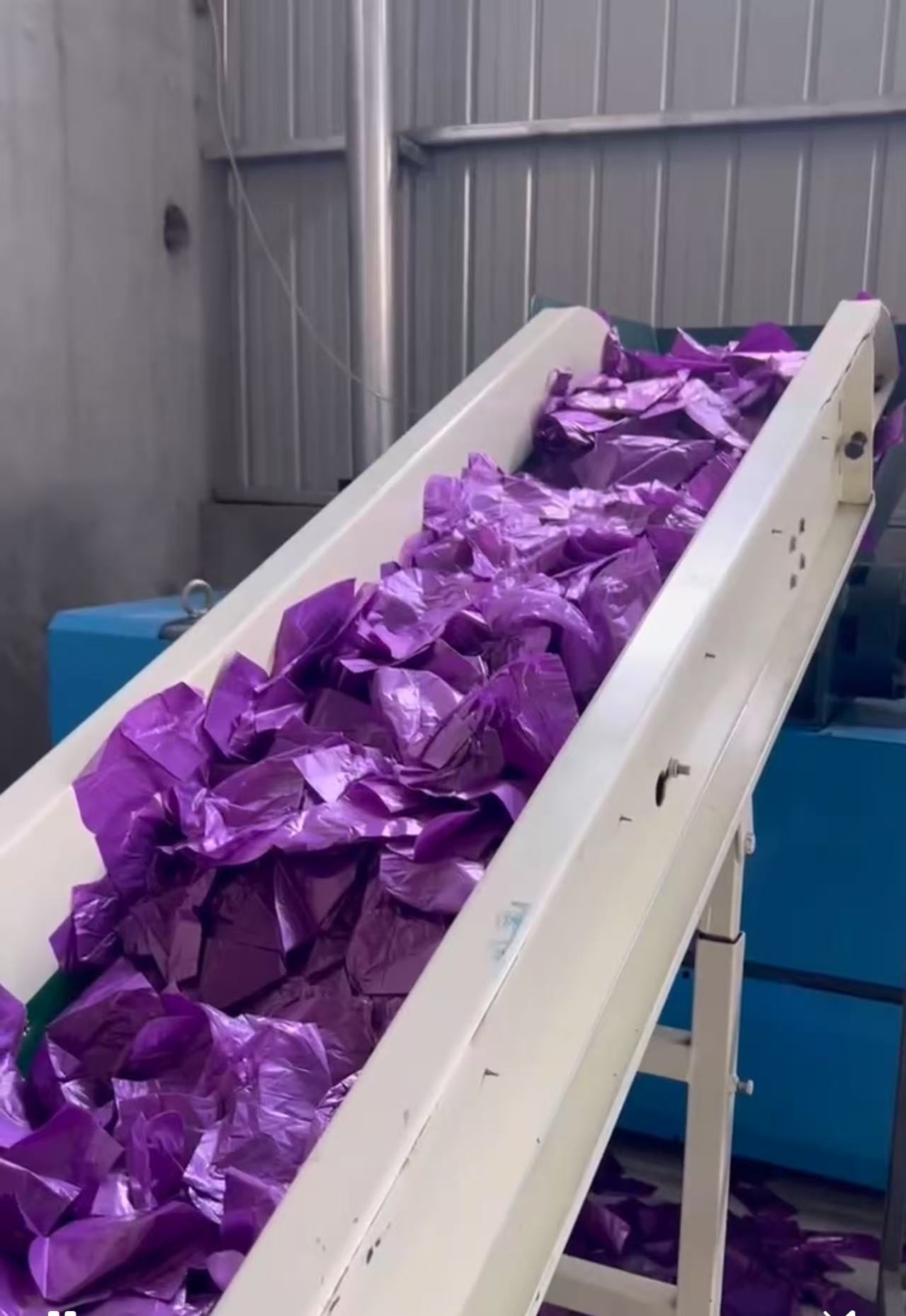
The input phase dictates the stability of the entire recycling line. Introducing a heavy-duty, speed-controlled conveyor belt feeding system creates an immediate improvement in operational efficiency.
Key Benefits of Conveyor Belt Integration:
-
Continuous and Uniform Feeding: Fitted with adjustable motor speed controls, conveyor belts deliver a smooth, continuous flow of scrap plastic directly into the crusher or main extruder throat. Uniform feeding stabilizes screw torque and prevents pressure spikes inside the barrel.
-
Significant Labor Cost Reduction: Instead of assigning multiple workers to continuously shovel or push waste into the machine, a single operator can oversee the bulk loading onto the conveyor belt.
-
Enhanced Safety and Ergonomics: Operators no longer need to work close to rotating screws, high-temperature feed throats, or heavy crushing blades, substantially reducing workplace accident risks.
-
Optional Metal Detection Integration: Modern conveyor systems can easily incorporate online metal detectors to identify and stop tramp metals (such as screws or iron fragments) before they enter the extruder, protecting expensive screws and barrels from severe damage.
2. Advanced Screw Engineering & Heavy-Duty Extrusion
Once raw material enters the main unit, effective melting, degassing, and filtration take place. High-output recycling machines utilize optimized screw length-to-diameter ($L/D$) ratios tailored to specific resin types—whether PE, PP, EVA, or PVC.
Deep Degassing and Filtration
Recycled plastics typically contain moisture, ink, print labels, and volatiles. Multi-vented vacuum degassing zones along the barrel effectively strip away trapped gases and odors. Combined with dual-piston or continuous hydraulic screen changers, impurities are filtered out without shutting down production, guaranteeing clean, high-density melt flow toward the die head.
3. High-Pressure 220-Type Pressure-Resistant Die Head Technology
The transition of molten plastic into uniform strands or face-cut pellets relies heavily on die head construction. Advanced recycling lines incorporate specialized 220-Type Pressure-Resistant Die Heads designed to handle heavy backpressure without leaking or distorting.
Why Pressure Resistance Matters:
-
Uniform Melt Distribution: High backpressure design ensures that molten plastic spreads evenly across every die hole, preventing edge blockage and yielding perfectly sized pellets.
-
Thermal Stability: Premium steel alloy construction provides high thermal mass, maintaining precise temperature uniformity to prevent material degradation.
-
Durability Under Continuous Load: Engineered to withstand 24/7 industrial operation, high-pressure die heads significantly extend service life, reducing costly downtime for maintenance and seal replacement.
4. Air-Cooled Hot-Cut Pelletizing: Zero Water, Zero Pollution
For many regions facing strict environmental inspections or water scarcity, traditional water-bath pelletizers pose severe compliance challenges. The Air-Cooled Hot-Cut System eliminates water dependency entirely while delivering superior pellet aesthetics.
[ Conveyor Belt ] ➔ [ Main Extruder / Filter ] ➔ [ High-Pressure Die Head ] ➔ [ Air-Cooled Rotary Cutter ] ➔ [ Cyclone Cooling Silo ]
Advantages of Air-Cooled Hot Cutting:
-
Waterless & Eco-Friendly Operation: Zero cooling water means zero wastewater discharge, eliminating the need for water treatment permits, settling tanks, or water pumps.
-
Immediate Dry Pellets: Pellets are cut at the die face by high-speed rotating blades and immediately transported via air blower through cooling ducts into a cyclone storage hopper. They arrive completely dry and ready for immediate packaging or direct feed into downstream machinery.
-
Consistent Granule Uniformity: Hot-face cutting ensures spherical or uniform disk-shaped granules without stringing, tailing, or clumping—ideal for high-end film blowing, bag making, or pipe extrusion reuse.
-
Energy Efficiency: Removing water pumps, dewatering centrifugal fans, and secondary thermal dryers significantly lowers total kilowatt-hour energy consumption per ton of recycled plastic produced.