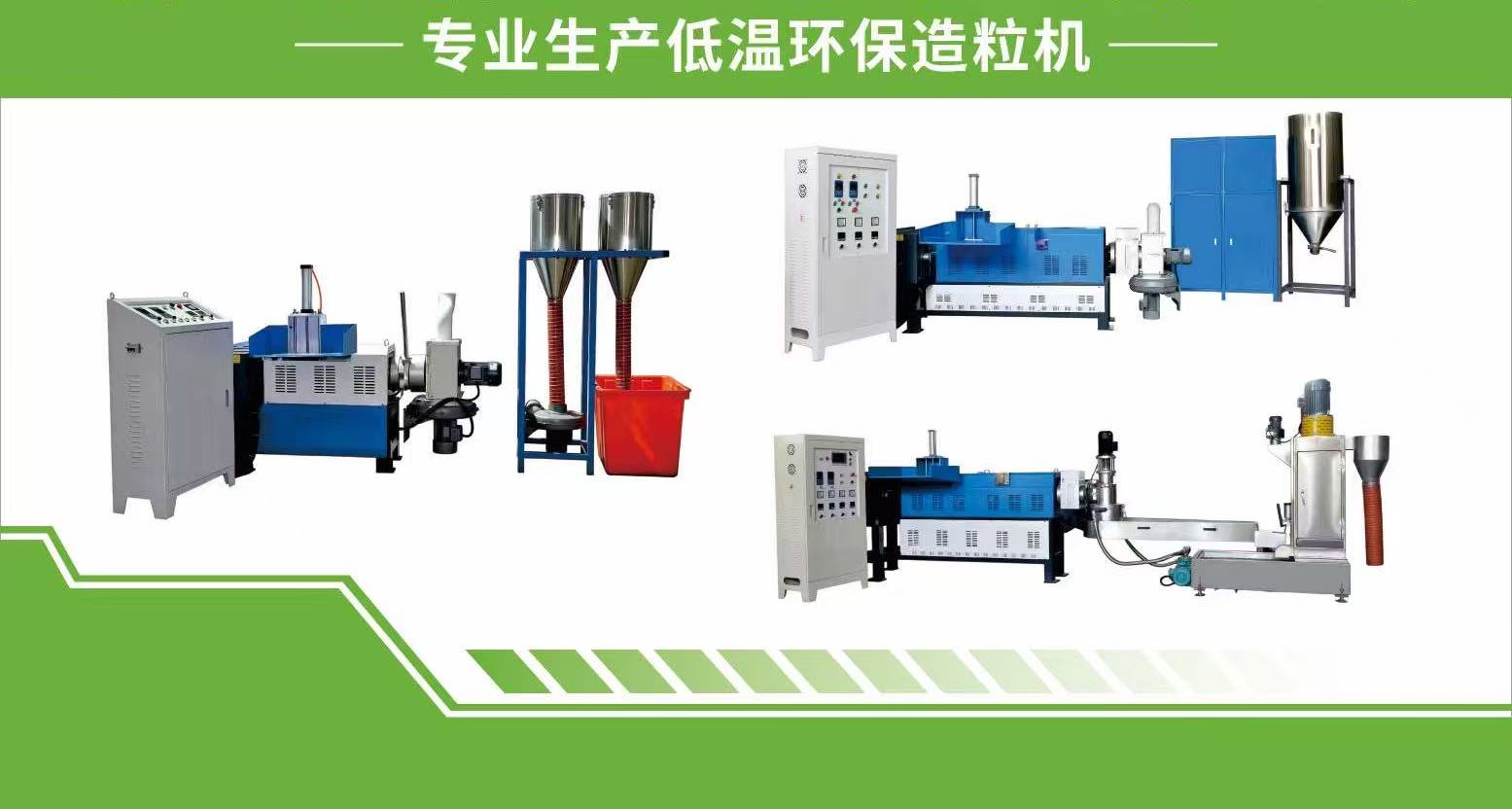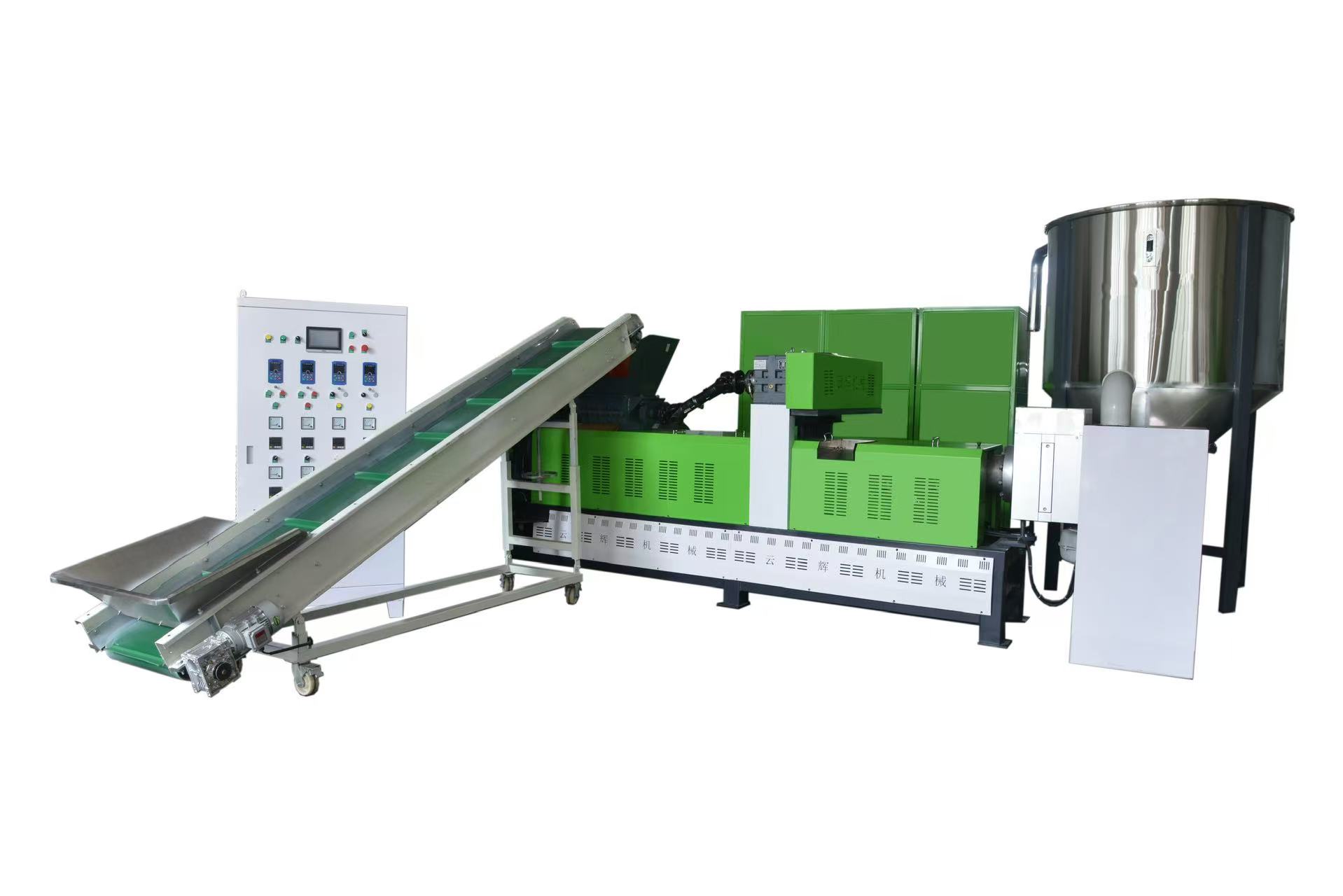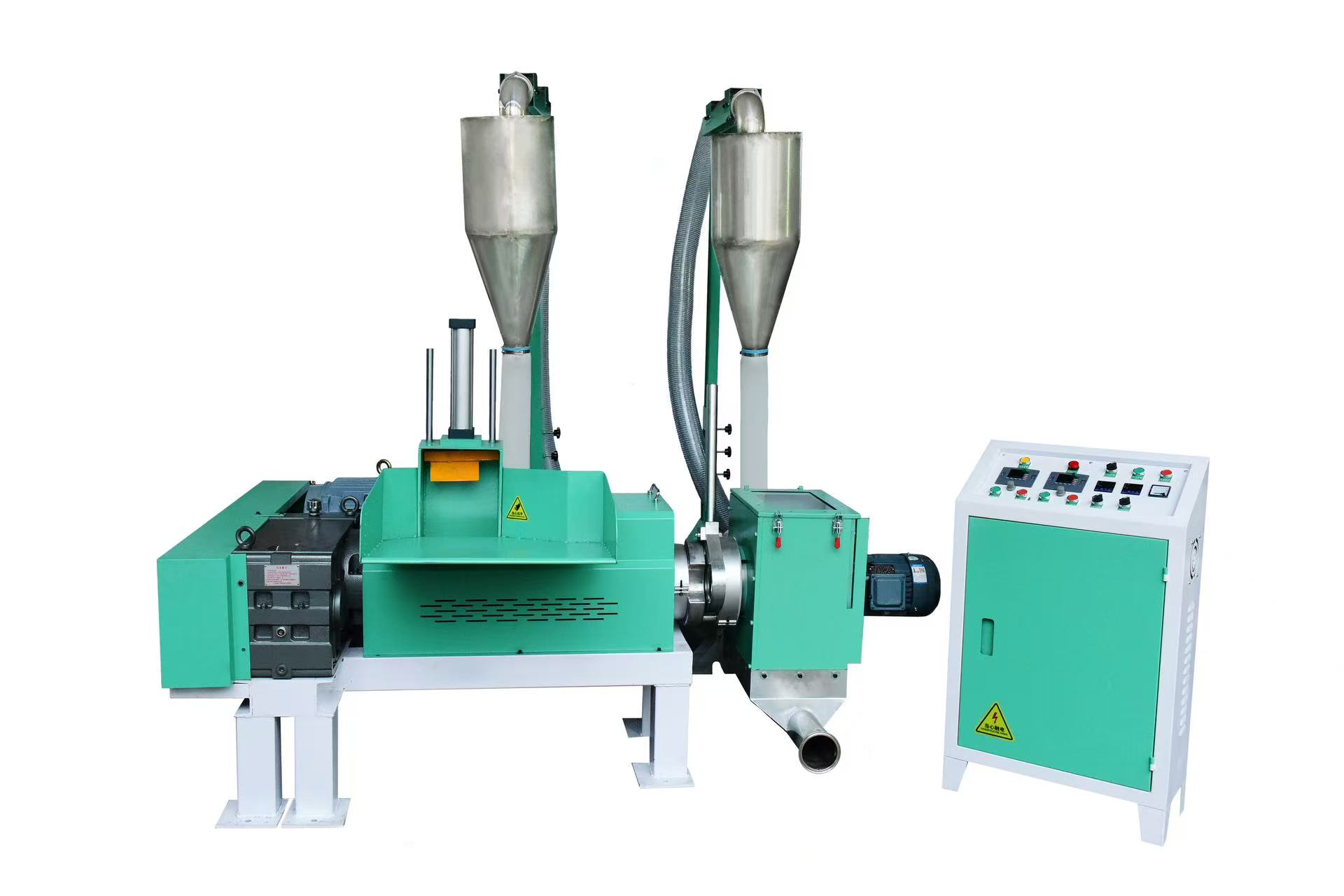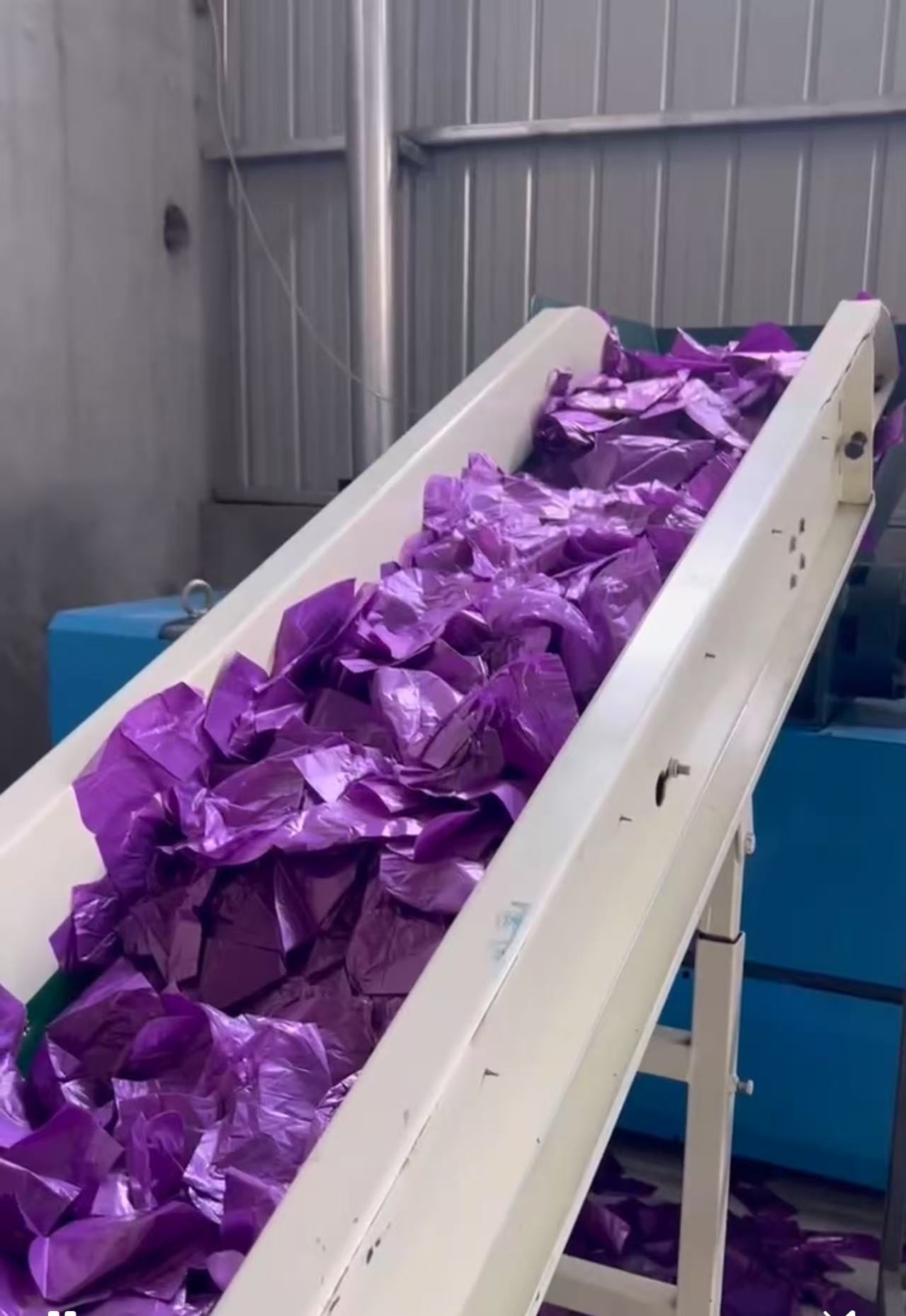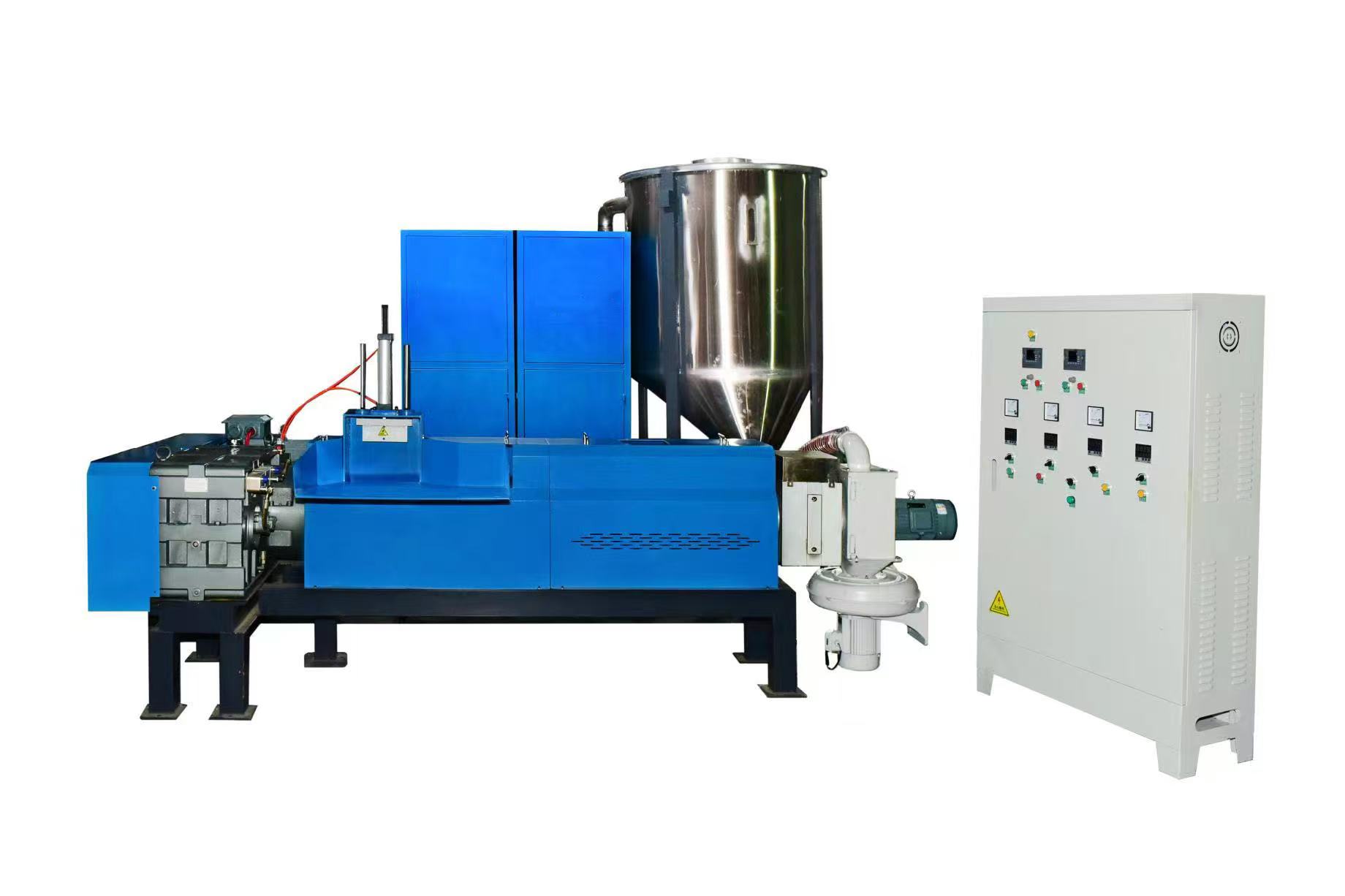
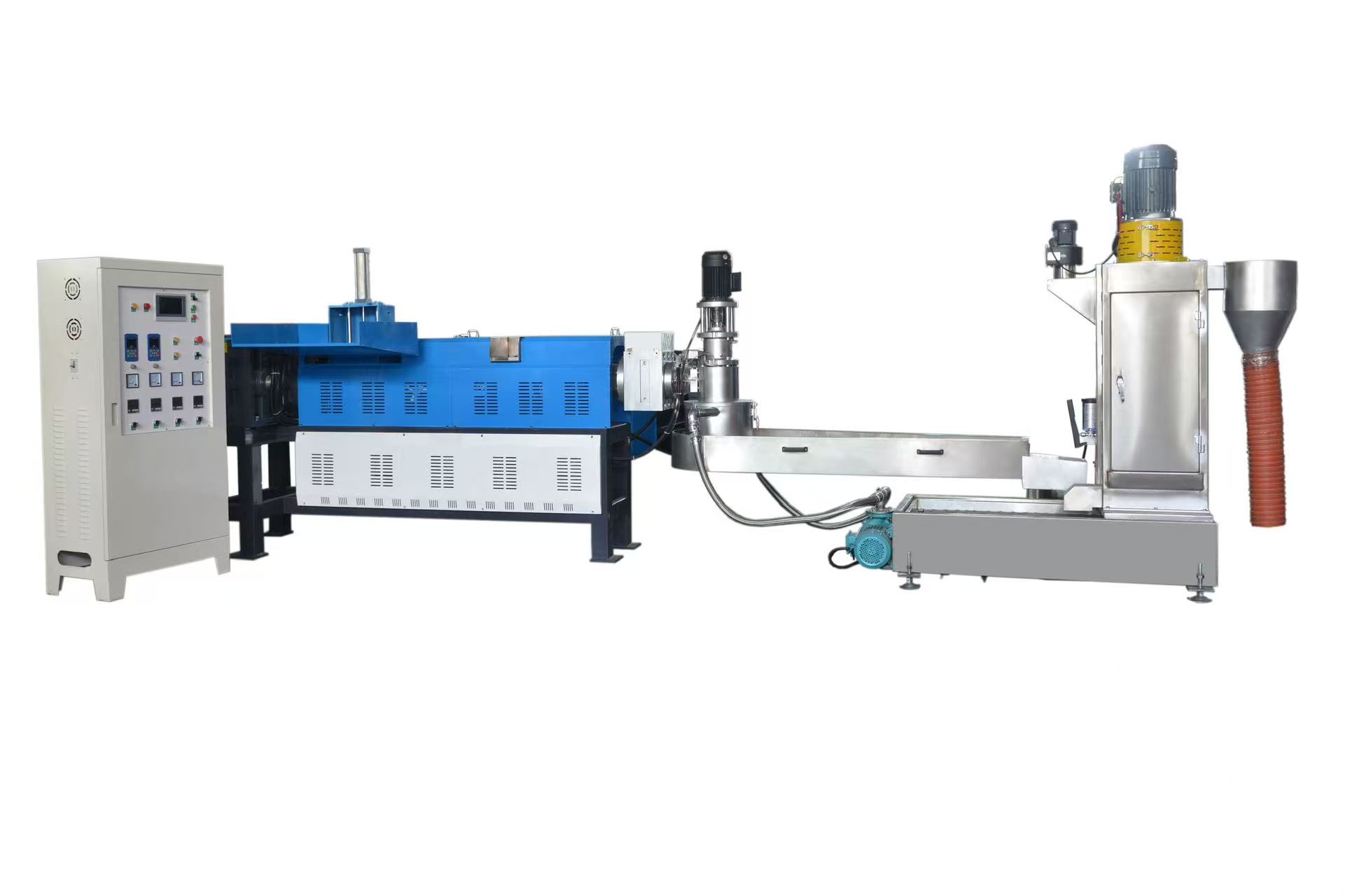
This demonstration video showcases the 120-model water-ring pelletizing machine, a high-efficiency solution for processing PP (polypropylene) waste. A client brought their own PP material to test this highly sought-after machine on-site. The entire process—from the input of plastic waste to the output of uniform, clear, and well-formed recycled pellets—unfolds seamlessly. This demonstration not only highlights the robust capabilities of modern pelletizing equipment but also reveals the technical key to advancing the plastics recycling industry toward greater efficiency and environmental sustainability. Key features include: efficient, well-integrated feeding; precise temperature control and plasticization; and powerful extrusion capabilities (a distinct advantage of the 120-model).
The 120-model features a screw diameter and length-to-diameter (L/D) ratio meticulously engineered for exceptional adaptability to waste PP materials. Whether handling films, filaments, or regrind, the optimized screw configuration ensures powerful mixing and effective degassing—removing low-molecular-weight volatiles and moisture generated during the recycling process—to produce dense, void-free extrudates or melts.
2. Advanced Water-Ring Pelletizing System: A Revolutionary Alternative to Traditional Strand Pelletizing
Traditional pelletizing methods—typically involving “strand extrusion, cooling, and pelletizing”—often suffer from drawbacks such as a large footprint, high labor intensity (due to manual strand handling), inconsistent pellet size, and significant dust generation.
In contrast, the machine featured in this video utilizes an advanced water-ring hot-face pelletizing process:
Precision Synchronized Cutting: As the molten plastic emerges from the die, it is cut directly against the die face by high-speed rotating blades within a water-ring environment.
Rapid Quenching and Solidification: Driven by centrifugal force and water flow, the cut pellets are instantly swept into the water-ring cooling system, resulting in uniform, rounded, and high-quality pellets. Fully Enclosed, Dust-Free Operation: Water-ring pelletizing offers exceptionally high cooling efficiency while effectively eliminating the smoke and dust pollution associated with traditional strand-pelletizing methods, ensuring a clean and eco-friendly production environment.
3. High-Efficiency Vibratory Screening and Closed-Loop Pneumatic Conveying
Once pelletized, the granules are transported via a water flow to a vibratory screen for dewatering and classification, where agglomerates, oversized particles, and fine dust are automatically removed. Subsequently, a high-efficiency blower and piping system—featuring prominent pneumatic conveying ducts and a cyclone separator, as shown in the video—transports the granules into storage bags. The entire process is highly automated, significantly reducing the need for manual intervention.
1. Robust Extrusion and Plasticizing Capability (Advantages of the 120-Series)
The 120-series model features a screw diameter and length-to-diameter (L/D) ratio meticulously engineered for superior adaptability to waste PP (polypropylene) materials. Whether processing films, filaments, or regrind, the optimized screw configuration ensures powerful compounding and effective degassing—removing low-molecular-weight volatiles and moisture generated during recycling—to produce dense, void-free extrudates or melts.
2. Advanced Water-Ring Pelletizing: A Revolutionary Alternative to Traditional Strand Pelletizing
Traditional granulation processes typically rely on a “strand-cooling-pelletizing” sequence, which is often characterized by a large footprint, high labor intensity (due to manual strand handling), inconsistent pellet size, and significant dust generation.
In contrast, the system demonstrated in this video utilizes an advanced water-ring hot-face pelletizing process:
Precision Synchronized Pelletizing: As the molten plastic emerges from the die, it is cut directly against the die face by high-speed rotating blades within a water-ring environment.
Instant Quenching and Solidification: Driven by centrifugal force and the water flow, the cut pellets are immediately submerged into the water-ring cooling system, resulting in uniform, well-rounded, and high-quality granules. Fully enclosed, dust-free operation: Water-ring pelletizing not only offers exceptionally high cooling efficiency but also effectively eliminates the smoke and dust pollution associated with traditional strand-pelletizing processes, ensuring a clean and eco-friendly production environment.
3. High-efficiency vibrating screening and closed-loop pneumatic conveying
Once pelletized, the granules are transported via a water flow to a vibrating screen for dewatering and classification, where agglomerated pellets, oversized particles, and fine dust are automatically removed. Subsequently, a high-efficiency blower and piping system—featuring prominent pneumatic conveying ducts and a cyclone separator, as shown in the video—transports the granules into storage bags. The entire process is highly automated, significantly reducing the need for manual intervention.