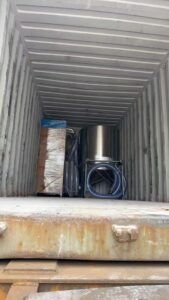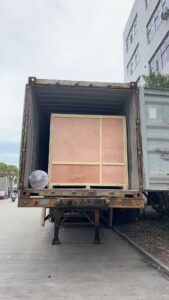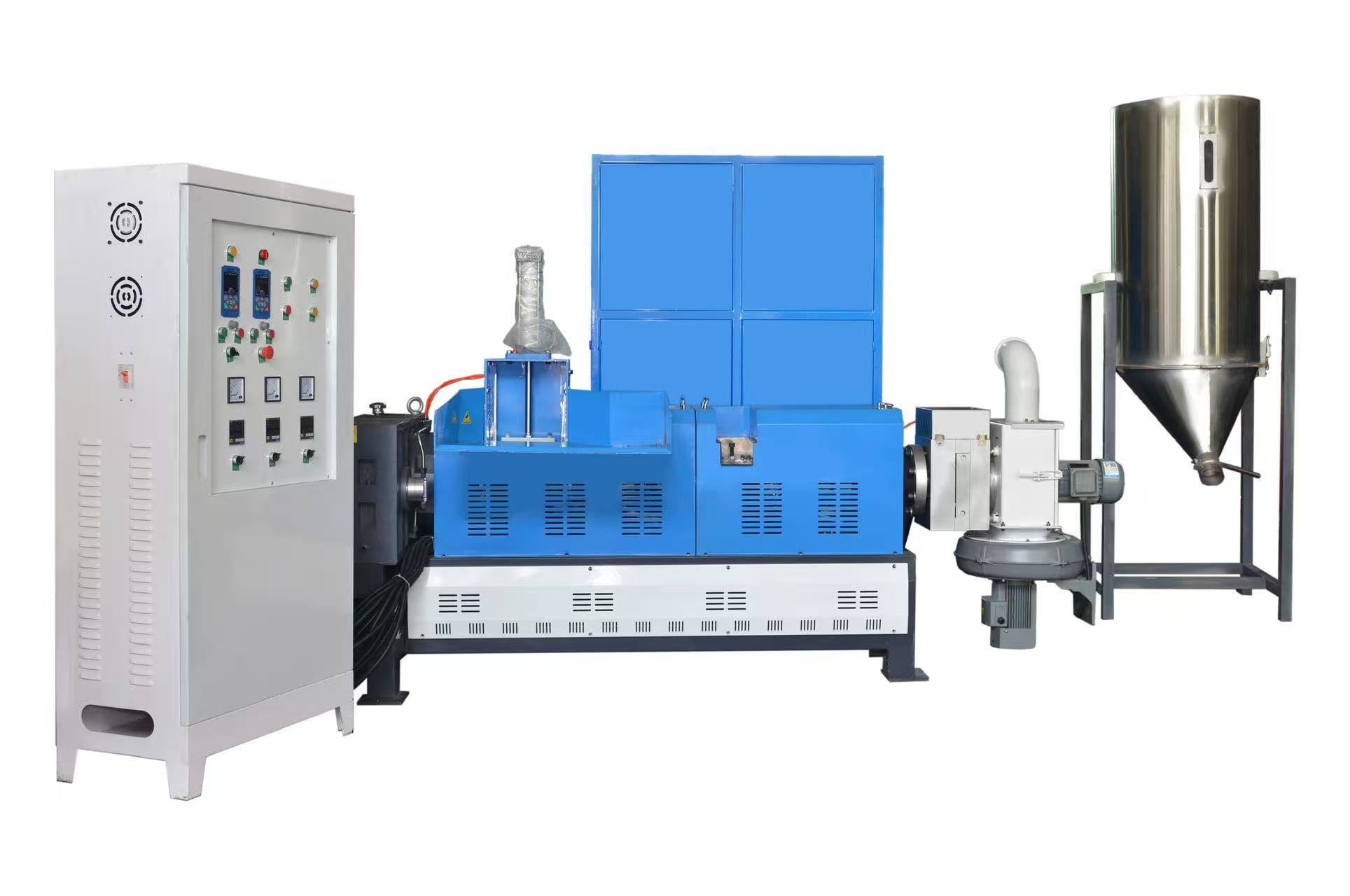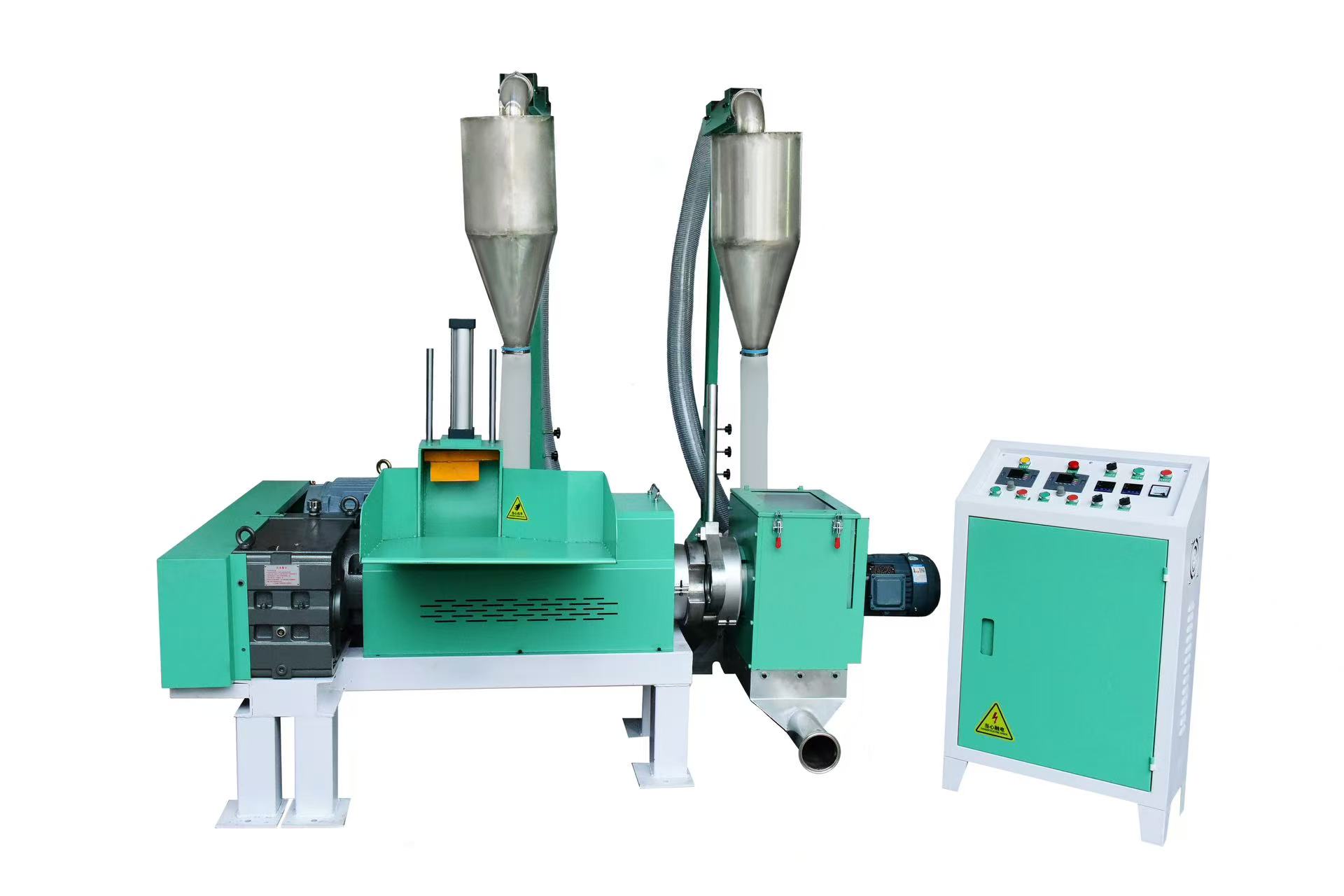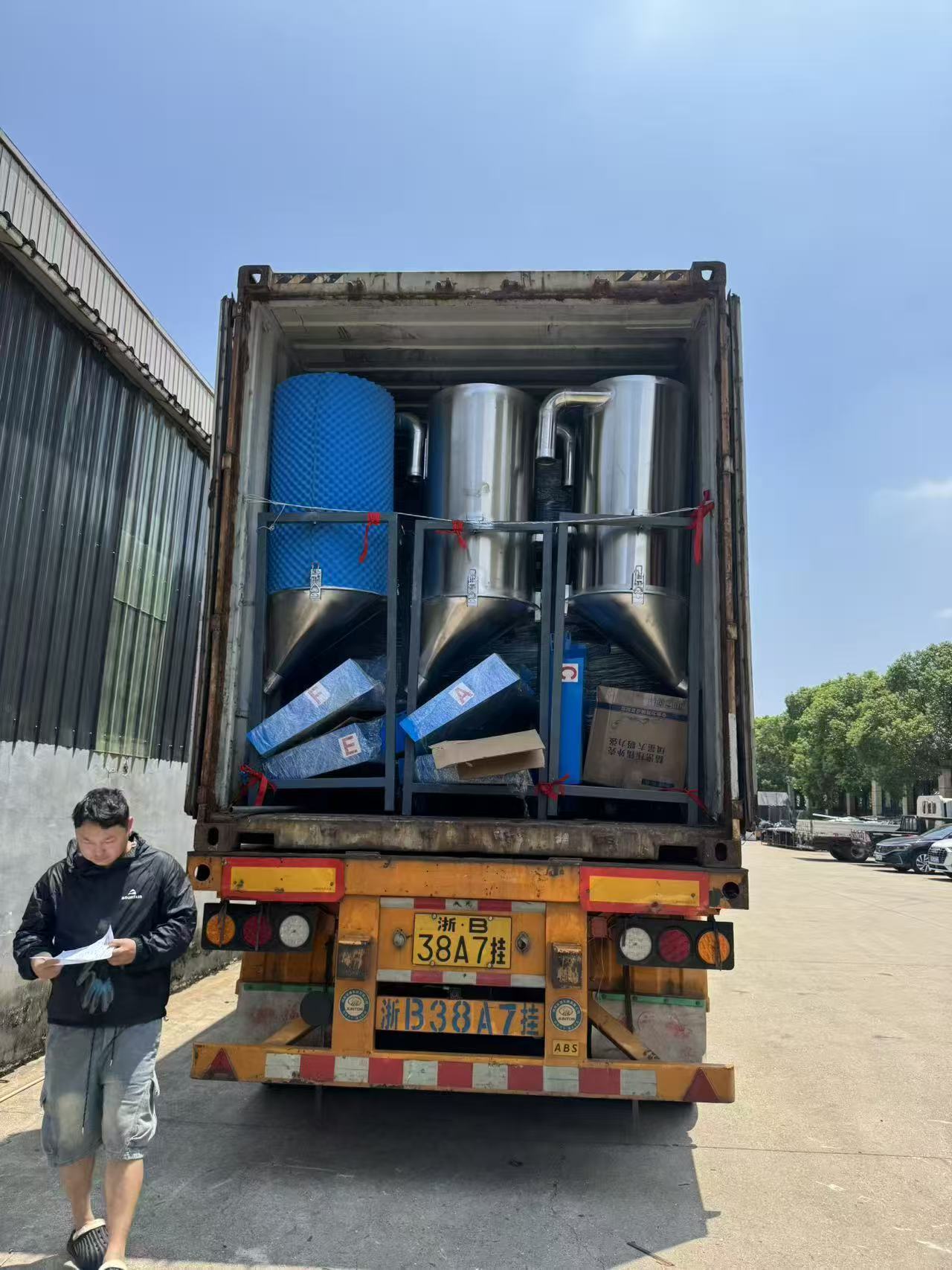
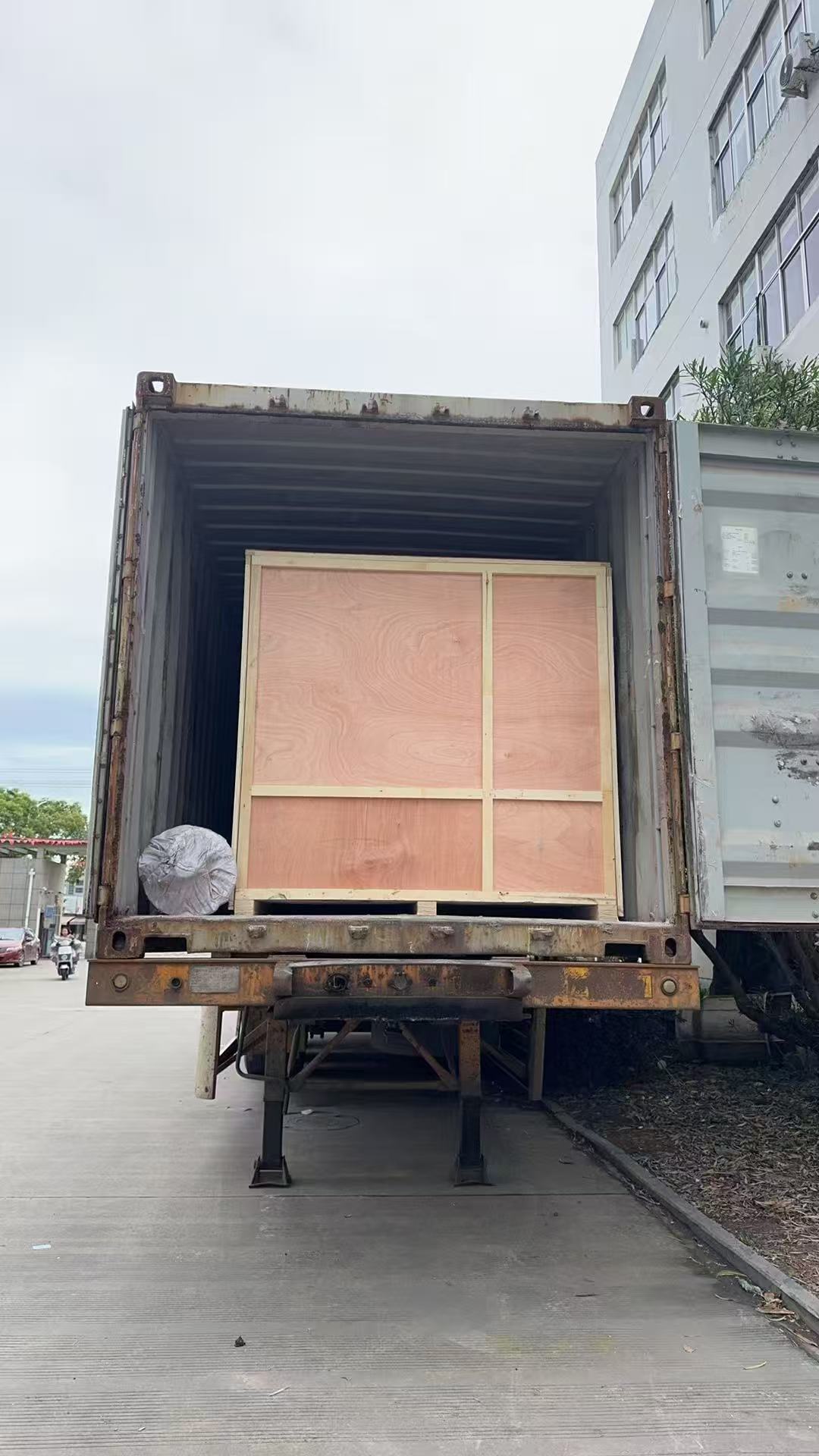
The Model 150 air-cooled plastic granulation line currently being shipped to South Korea is a large-scale, high-capacity recycling system specifically optimized for processing High-Density Polyethylene (HDPE), Polypropylene (PP), various engineering plastics, and mixed recycled scrap materials. The designation “150” refers to the 150mm diameter of its main extruder screw—a feature that establishes its pivotal role in large-scale, continuous industrial production environments. 1. Powerful Plasticization and Production Capacity Advantages
The large-diameter 150mm screw, combined with an optimized Length-to-Diameter (L/D) ratio, delivers exceptionally high shear forces and uniform heat transfer. Whether processing bulky shredded film scraps or rigid edge trims from injection molding and pipe manufacturing, the Model 150 unit achieves flawless melting and plasticization even during high-speed operation. Its robust hourly output capacity fully satisfies the South Korean client’s exacting demands for scaled-up production and a rapid Return on Investment (ROI).
2. The Unique Appeal of Air-Cooled Technology
Unlike traditional water-strand granulation or water-ring pelletizing methods, air-cooled granulation technology—whether utilizing air-cooled die-face hot cutting or air-cooled strand cutting—offers irreplaceable advantages when processing specific types of materials:
Completely Eliminates Water Contamination and Moisture Residue: Many end-use plastic products (such as high-end automotive injection-molded parts and precision electronic packaging) impose obsessively strict requirements regarding the moisture content of recycled materials. The air-cooled system relies entirely on high-efficiency, high-pressure blowers and specially designed cooling air ducts to rapidly cool molten or freshly cut plastic pellets without a single drop of water contact. This ensures that the finished pellets remain completely free of internal and surface moisture, thereby eliminating the need for bulky, post-processing dewatering and drying systems.
Preserves the Material’s Original Properties: Certain water-sensitive modified plastics, biodegradable plastics, or specific PP/PE copolymers are highly susceptible to hydrolysis or stress embrittlement when exposed to cold water while in a high-temperature molten state. Air-cooled granulation employs a gradual, high-intensity airflow cooling process that effectively mitigates internal molecular stress within the plastic; as a result, the produced pellets exhibit toughness, tensile strength, and surface gloss characteristics that closely mirror those of virgin materials. 3. High-Efficiency Venting and Filtration Systems
To effectively address the inks, moisture, and trace volatile substances inevitably present in recycled materials, the machine barrel is equipped with a multi-stage, high-power vacuum venting system. This ensures that internal gases are thoroughly evacuated from the melt before it reaches the die head, thereby completely eliminating issues such as hollow pellets and foaming. Integrated with a hydraulic non-stop screen changer, the system enables screen changes in a matter of seconds—even when processing recycled raw materials containing high levels of impurities—thereby guaranteeing 24-hour continuous, high-yield production. The international transport of industrial machinery presents a rigorous test of packaging expertise. The sea freight process entails enduring the vibrations of long-distance road transport, the impact shocks of port hoisting operations, the corrosive effects of marine salt spray, and the humidity and temperature fluctuations within shipping containers. To ensure that the Model 150 pelletizing line arrives at our South Korean client’s facility in “pristine condition,” our shipping team executed a packaging protocol adhering to the industry’s highest standards.