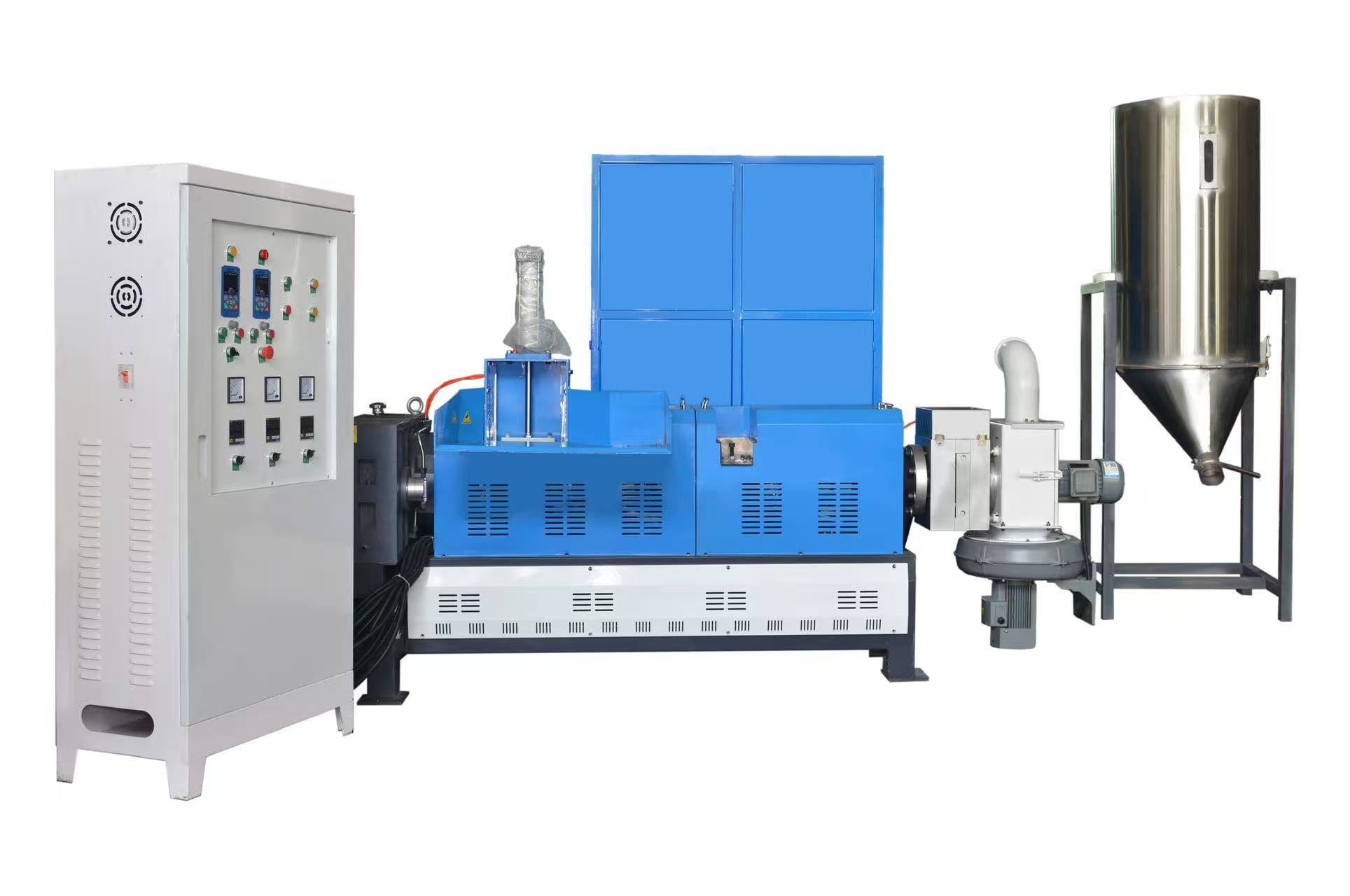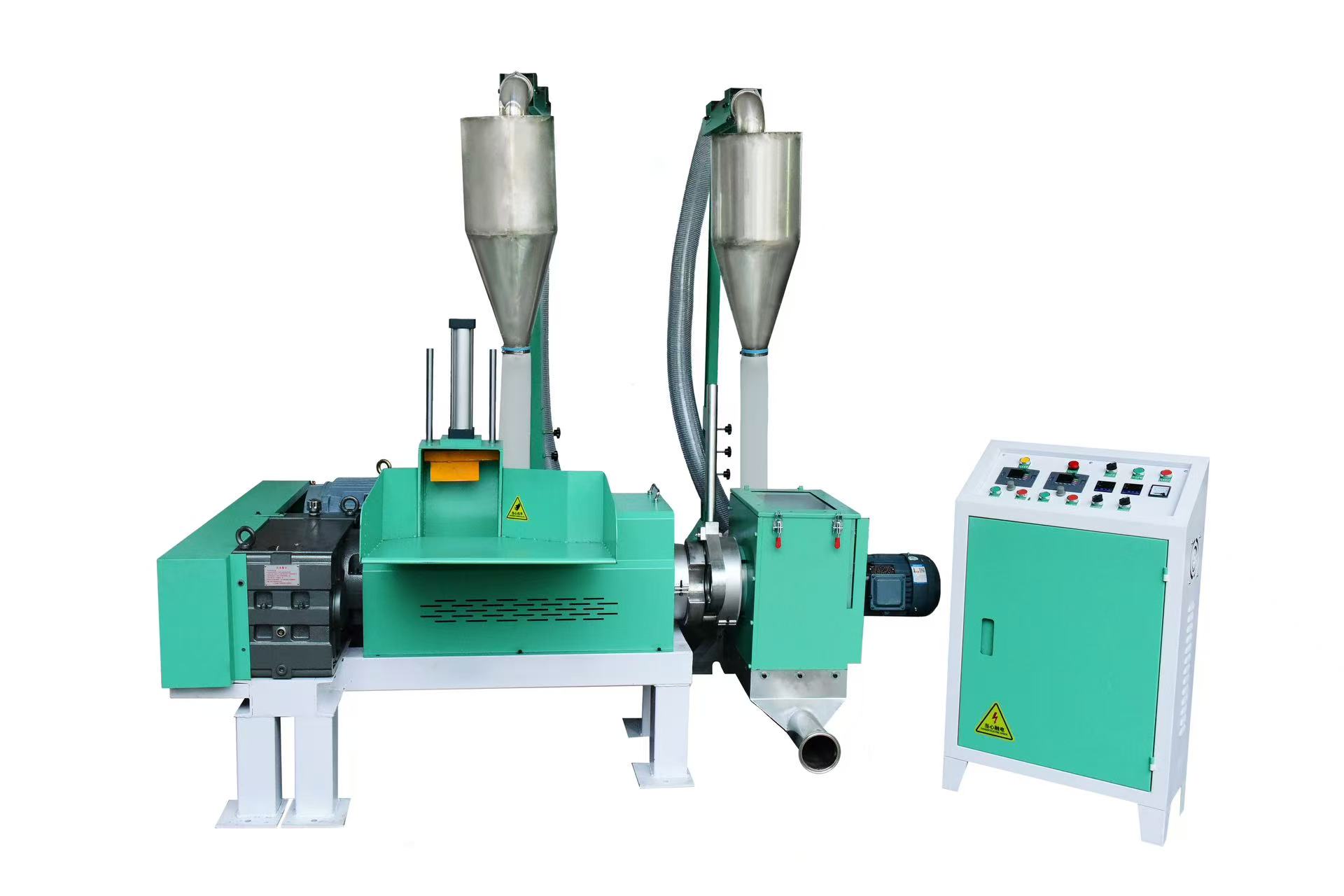
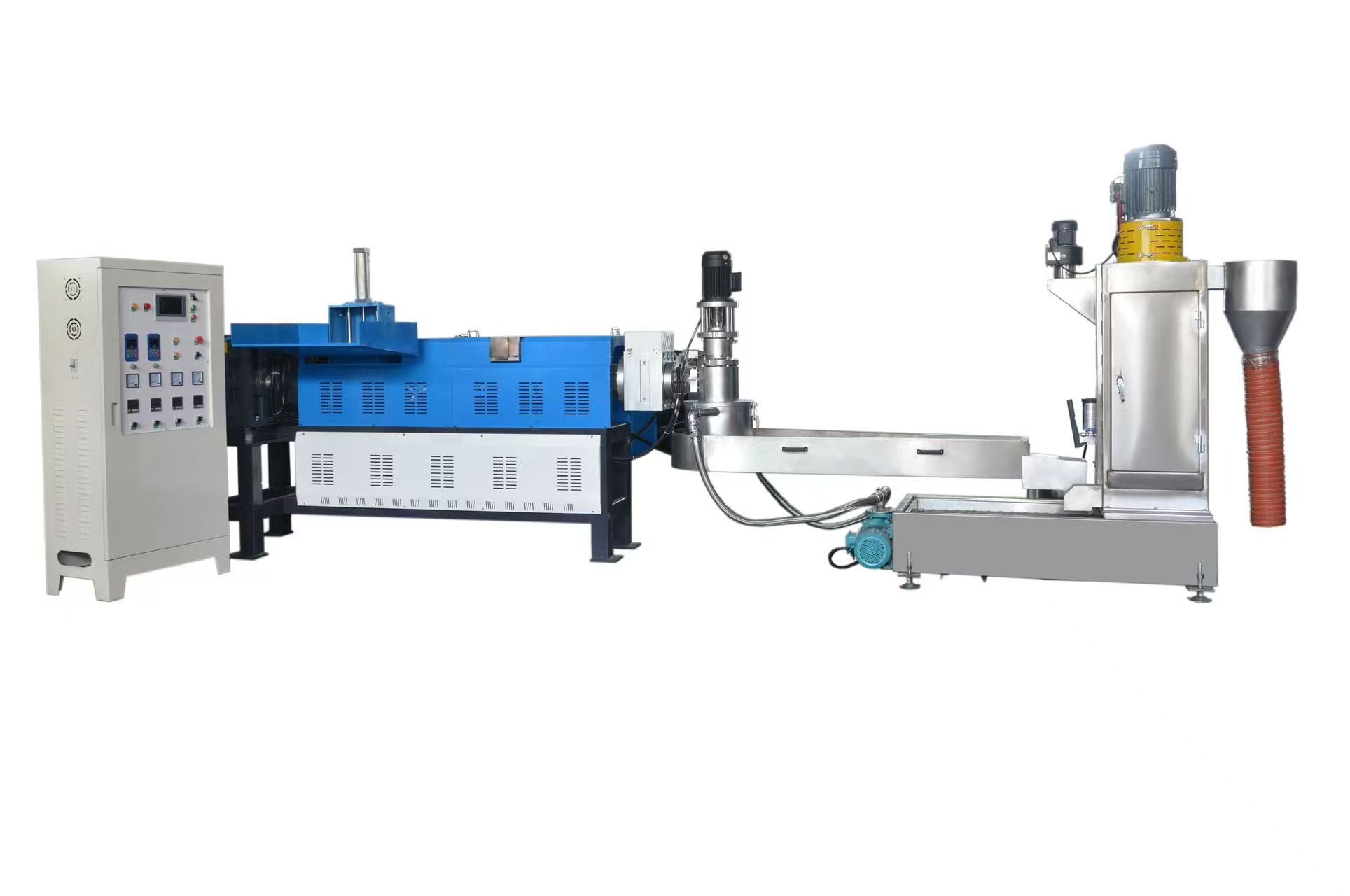
Against the backdrop of today’s global pursuit of sustainable development and a circular economy, the recycling and reuse of waste plastics has emerged as a critical industry with profound implications for both the environment and natural resources. This is particularly true for the most widely utilized plastics—polypropylene (PP) and polyethylene (PE)—which appear in forms such as packaging films, agricultural films, discarded piping, and injection molding scraps; their effective recovery is inextricably linked to the use of high-performance granulation equipment. While plastics are widely adopted due to their lightweight nature, durability, and low cost, they also give rise to the serious problem of “white pollution.” As the most common general-purpose plastics, PP and PE account for a significant portion of both domestic and industrial plastic waste. If left untreated, this waste not only consumes vast tracts of land but also poses a long-term threat of contamination to soil and water sources.
Transforming waste plastics into granules that can be reintroduced into the production cycle—a process known as granulation—serves as the vital bridge connecting “waste” with “renewal.” This process not only facilitates the recycling of resources and reduces the demand for virgin raw materials (such as crude oil) but also substantially lowers energy consumption and carbon emissions during manufacturing. The core value of a superior granulator lies in its ability to consistently and efficiently produce recycled plastic granules characterized by excellent physical properties and uniform shape, thereby enhancing the market competitiveness and expanding the application scope of the recycled material. The core components of a water-ring cutting system consist of a precisely configured cutter assembly and a die head. The instant the molten material extrudes from the die head, high-speed rotating blades sever it into tiny granules. Crucially, the cutter assembly is enveloped by a ring of process water flowing inward (the “water ring”). Driven by centrifugal force, the newly severed plastic granules—which are at an extremely high temperature—are instantly flung into this flowing water ring. The water ring rapidly absorbs the heat from the granules, causing their surfaces to cool and solidify instantaneously; this prevents the granules from adhering to one another while helping them maintain a desirable spherical or disc-like shape. Subsequently, the water flow conveys these granules to a downstream dewatering system.