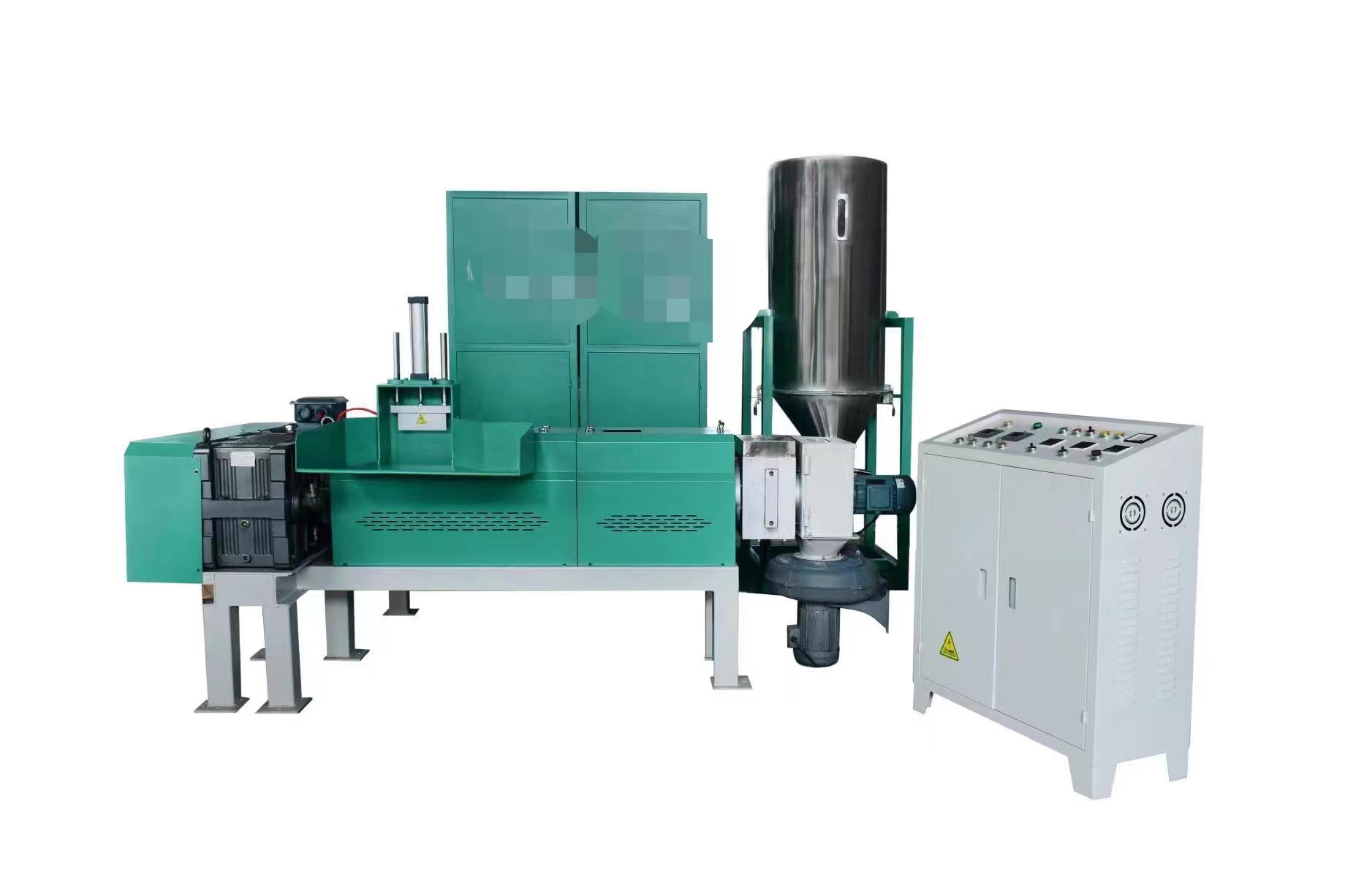
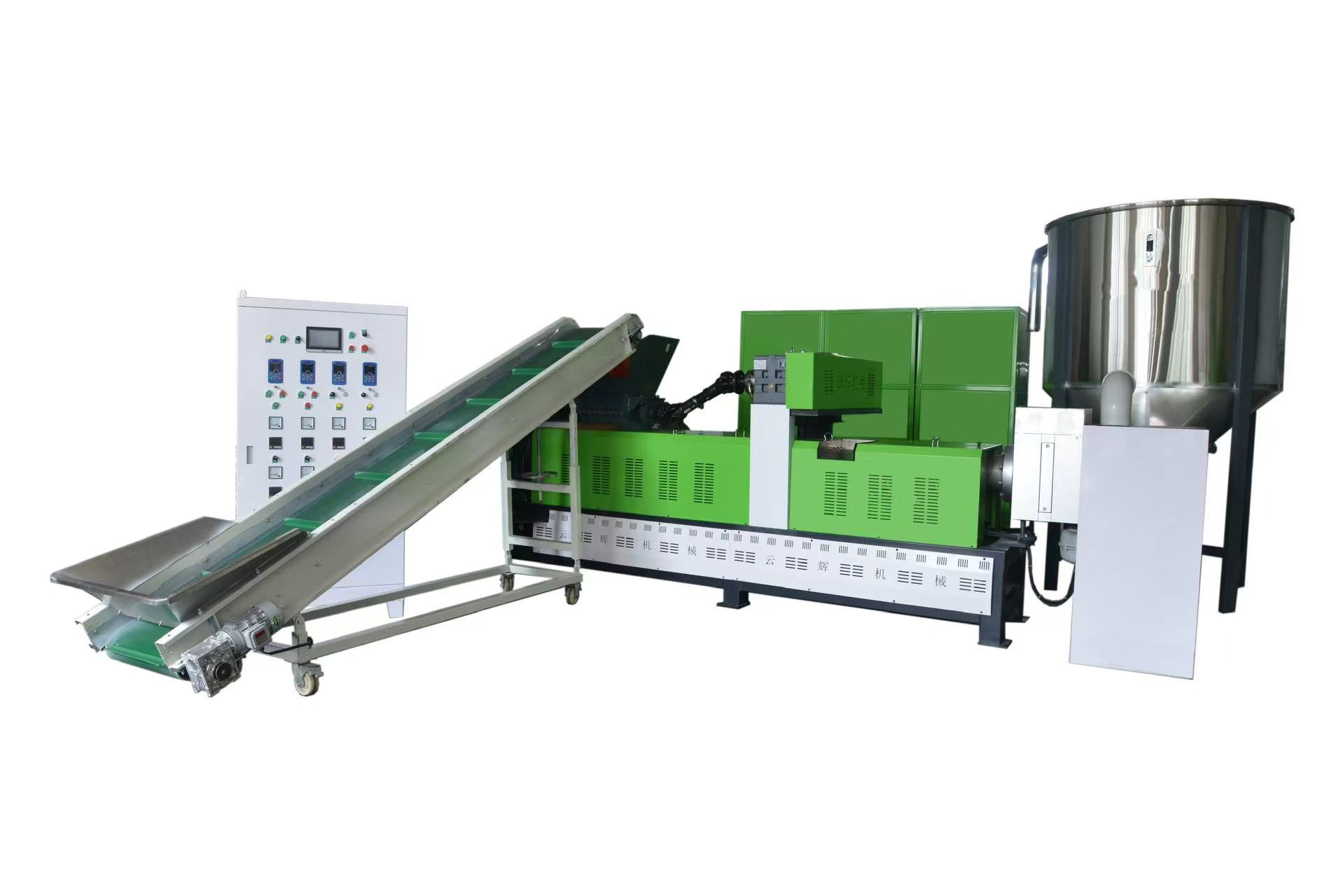
The Hazards of Metal Impurities on Large Granulators
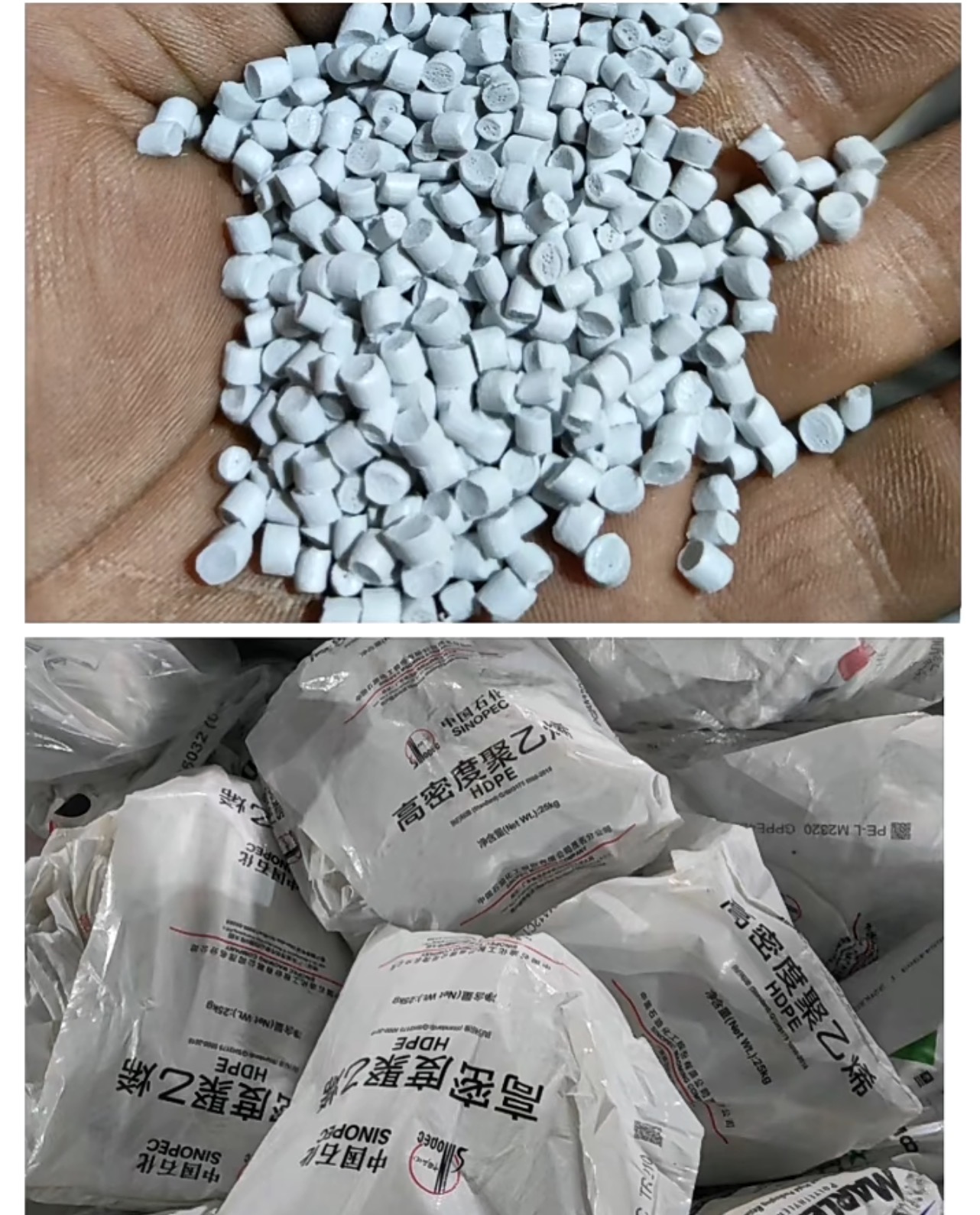
In the plastic recycling process, raw materials come from diverse sources, including factory scraps, waste films, woven bags, packaging bags, and industrial waste. During recycling, transportation, and storage, these materials can easily become contaminated with metal foreign objects such as wires, screws, nuts, iron sheets, and stainless steel fragments. Once these metals enter the granulator along with the materials, they directly contact the screw and barrel.
The core components of large granulators—the screw and barrel—are high-precision machined parts with extremely small clearances and operate under high temperature and pressure for extended periods. When metal enters the barrel, it can scratch the screw surface, leading to accelerated wear; in severe cases, it can jam the screw, causing an instant shutdown, even burning out the main motor and damaging the gearbox. A serious metal-jammed screw incident not only incurs high repair costs but also leads to production stoppages, order delays, and damage to customer reputation.
The Importance of Technical Inspection Conveyor Belts
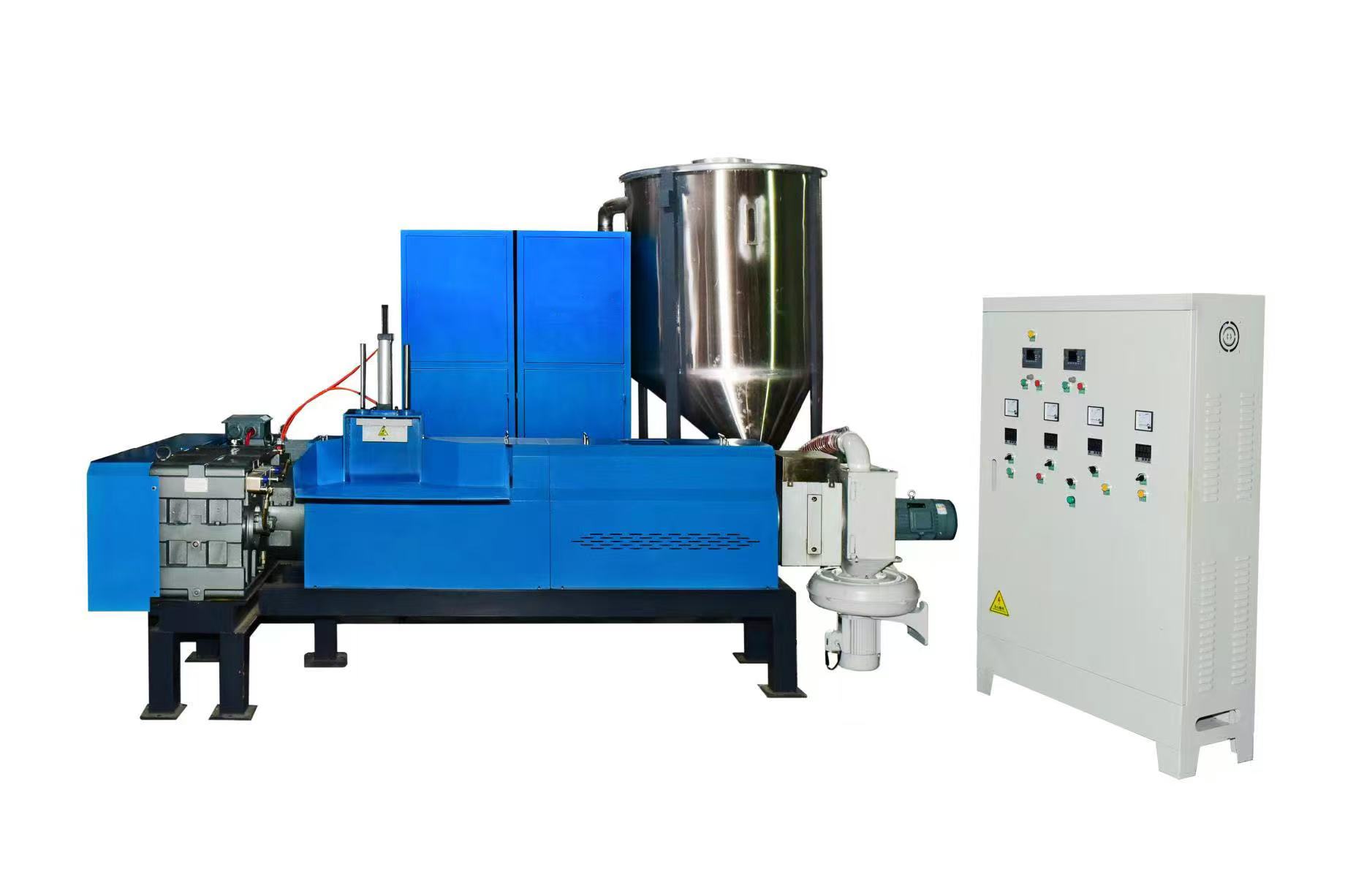
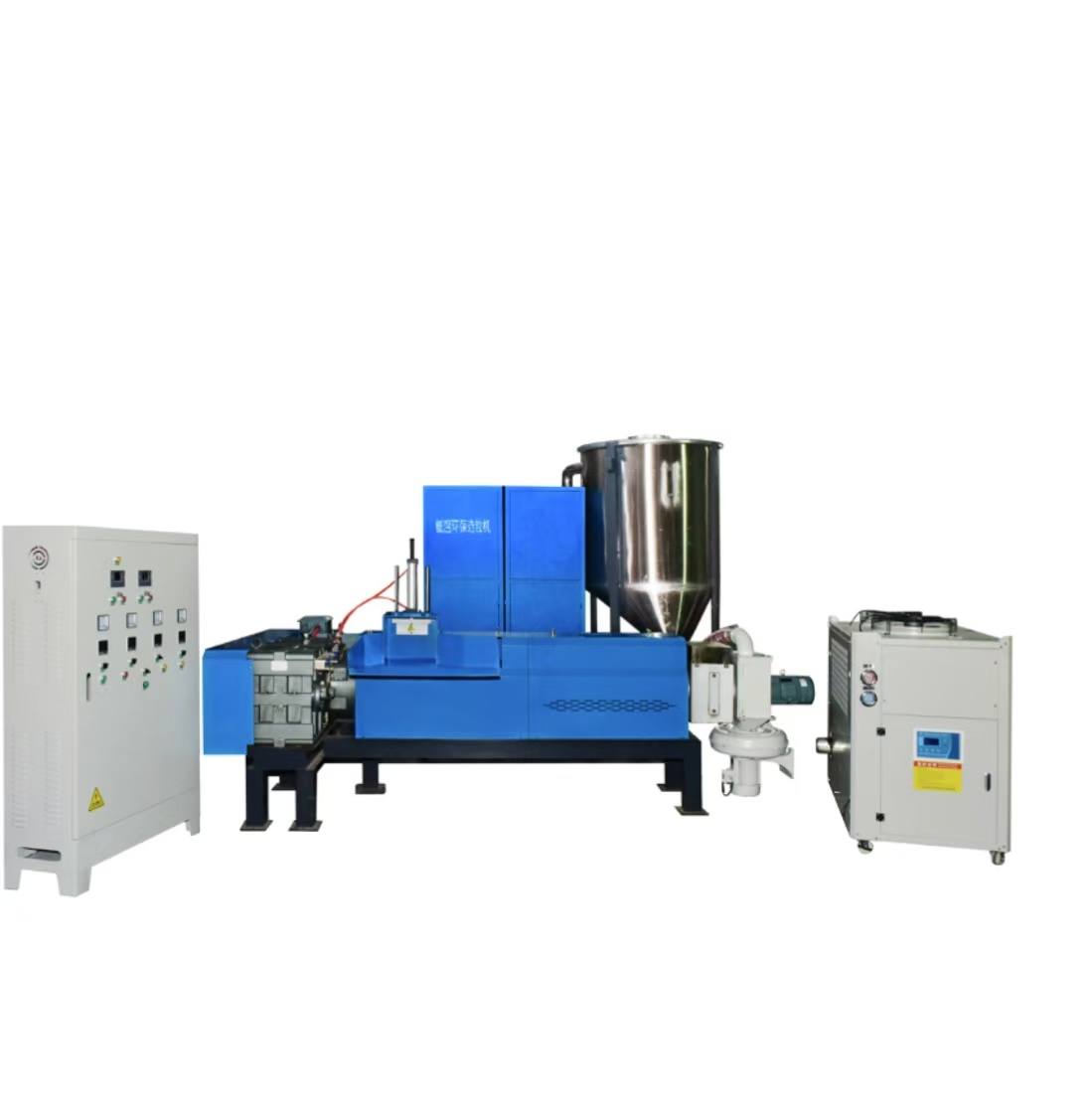
To address this industry pain point, an increasing number of professional manufacturers are equipping large granulators with technical inspection conveyor belts. This conveyor belt, in addition to its basic conveying function, incorporates a highly sensitive metal detection system.
Its working principle is very simple yet extremely efficient: before the raw material enters the granulator via the conveyor belt, it passes through a metal detection area. Once ferromagnetic or non-ferromagnetic metal is detected, the system immediately issues an alarm signal and automatically shuts down the entire production line to prevent metal from entering the screw area. Some high-end systems can also automatically reject metal-containing materials.
This “preemptive interception” method is equivalent to installing a safety barrier for the granulator, significantly reducing the risk of equipment damage.
Core Advantages of the Automatic Shutdown System
Many customers have reported after upgrading their equipment that the conveyor belt with metal detection is one of the most cost-effective configurations in the entire production line. The reasons are mainly reflected in the following aspects:
First, it protects core components. The screw and barrel are the most expensive and vulnerable parts in the granulator; replacement costs are extremely high once damaged. The metal detection system can effectively extend their service life.
Second, it reduces downtime. Traditional production lines often only discover problems after a jam occurs, while detection systems can automatically stop the machine before metal enters, preventing major malfunctions.
Third, it ensures motor safety. Large pelletizers have high-power motors with high loads; metal jamming can cause a sudden surge in current, easily burning out the motor. Automatic shutdown functions can promptly eliminate this risk.
Fourth, it improves product quality. If metal fragments are mixed into molten plastic, it will affect pellet quality and even damage downstream equipment. Detection systems ensure pellet purity.
Large pelletizers especially need metal detection systems.
For small pelletizers, the output is relatively low, and losses are manageable. However, for large pelletizers with an output of 300 kg, 400 kg, or even higher per hour, the losses from a malfunction are magnified exponentially.
Large equipment is often used to process large amounts of industrial waste or factory defects, materials that are more likely to contain metal impurities. Therefore, large pelletizers need to be equipped with specialized technical detection conveyor belts.
Especially when handling high-strength materials such as high- and low-pressure film materials, woven bag materials, and Brazilian bags, the material sources are complex, and the risk of metal contamination is higher. Installing metal detection conveyor belts has become standard equipment on high-end production lines.
Small Investment, High Return
Some customers worry that adding metal detection conveyor belts will increase overall costs when purchasing equipment. However, in the long run, it is a high-return investment.
Imagine, a single screw failure could result in tens or even hundreds of thousands of yuan in repair costs, plus production downtime losses, far exceeding the cost of the detection conveyor belt. The detection system, on the other hand, can protect the equipment long-term.
Furthermore, automated detection can reduce the pressure of manual raw material screening, improve overall production efficiency, and achieve true intelligent production.
Intelligent Production is an Industry Trend
Currently, the plastic recycling industry is developing towards intelligence and automation. From automatic feeding systems and intelligent temperature control systems to remote monitoring platforms, equipment upgrades have become key to enhancing competitiveness.
Technical detection conveyor belts are an important component of intelligent upgrades. They not only protect equipment but also enhance the safety level and professional image of the entire production line.
When customers visit the factory and see a comprehensive metal detection system, they will have a greater appreciation for the company’s production management capabilities, which helps enhance the company’s brand image.
Metal jamming of screws in large granulators is not uncommon in the industry. Prevention is worse than cure. Equipping your equipment with a metal detection conveyor belt demonstrates responsibility towards both the equipment and the company.
In high-volume, high-load production environments, safety is always paramount. Automatic detection, automatic alarms, and automatic shutdown create a robust safety barrier, making granulation production more stable and reliable.
If you are configuring or upgrading a large granulator production line, please consider adding a metal detection conveyor belt. A correct choice will safeguard your production for many years to come, truly achieving safe production, stable profits, and long-term development.