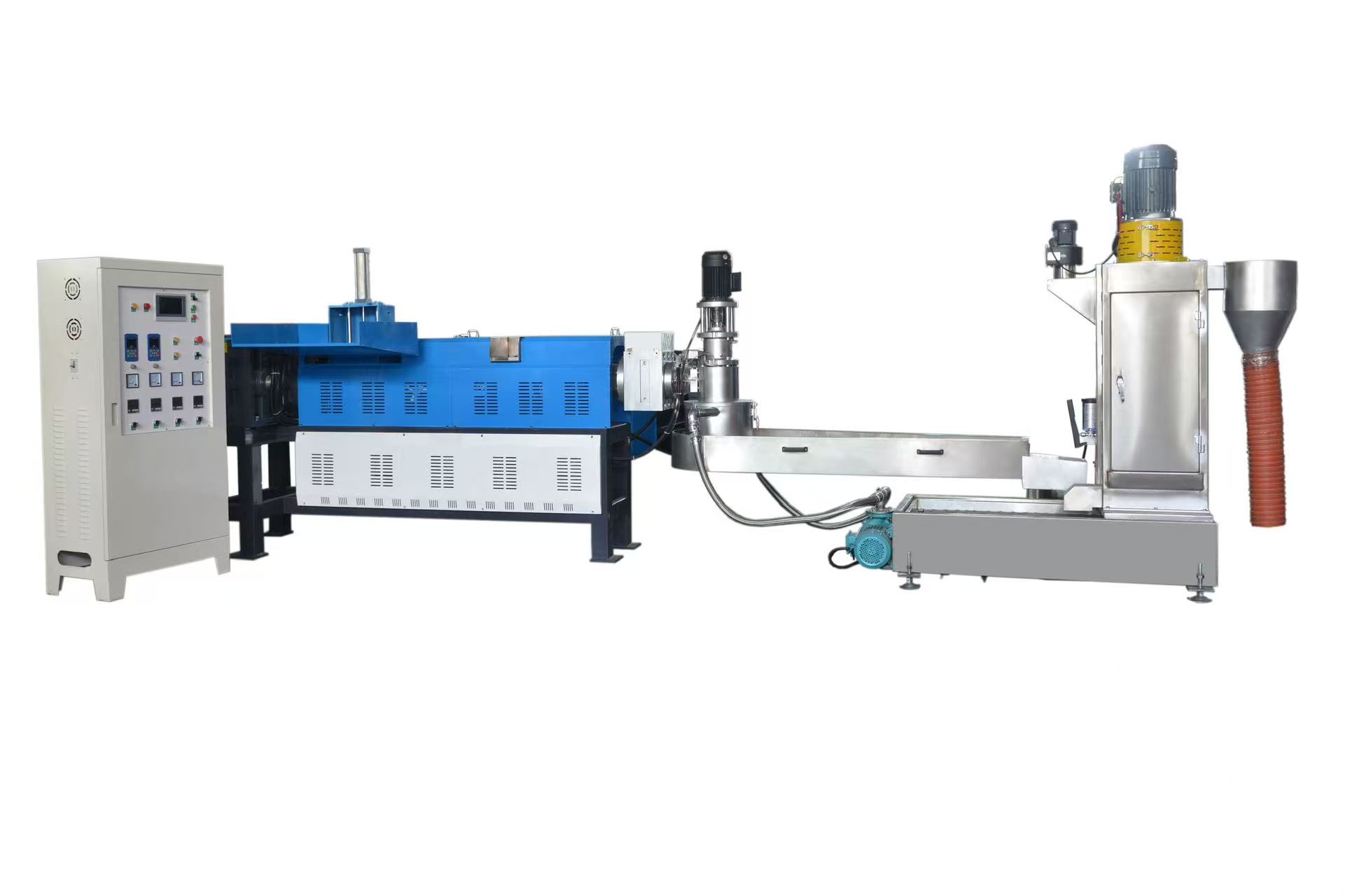
In the field of plastic film processing and packaging production, manufacturers and entrepreneurs often face a practical dilemma when selecting equipment: large-scale production lines require significant floor space, entail high initial investment, and involve long lead times for product changeovers or sampling. Conversely, facilities with limited floor space, small-to-medium-scale processing plants, and new entrants to the film industry often require a more suitable solution—a compact, intuitive, and stable film-blowing machine that is easy to maintain.
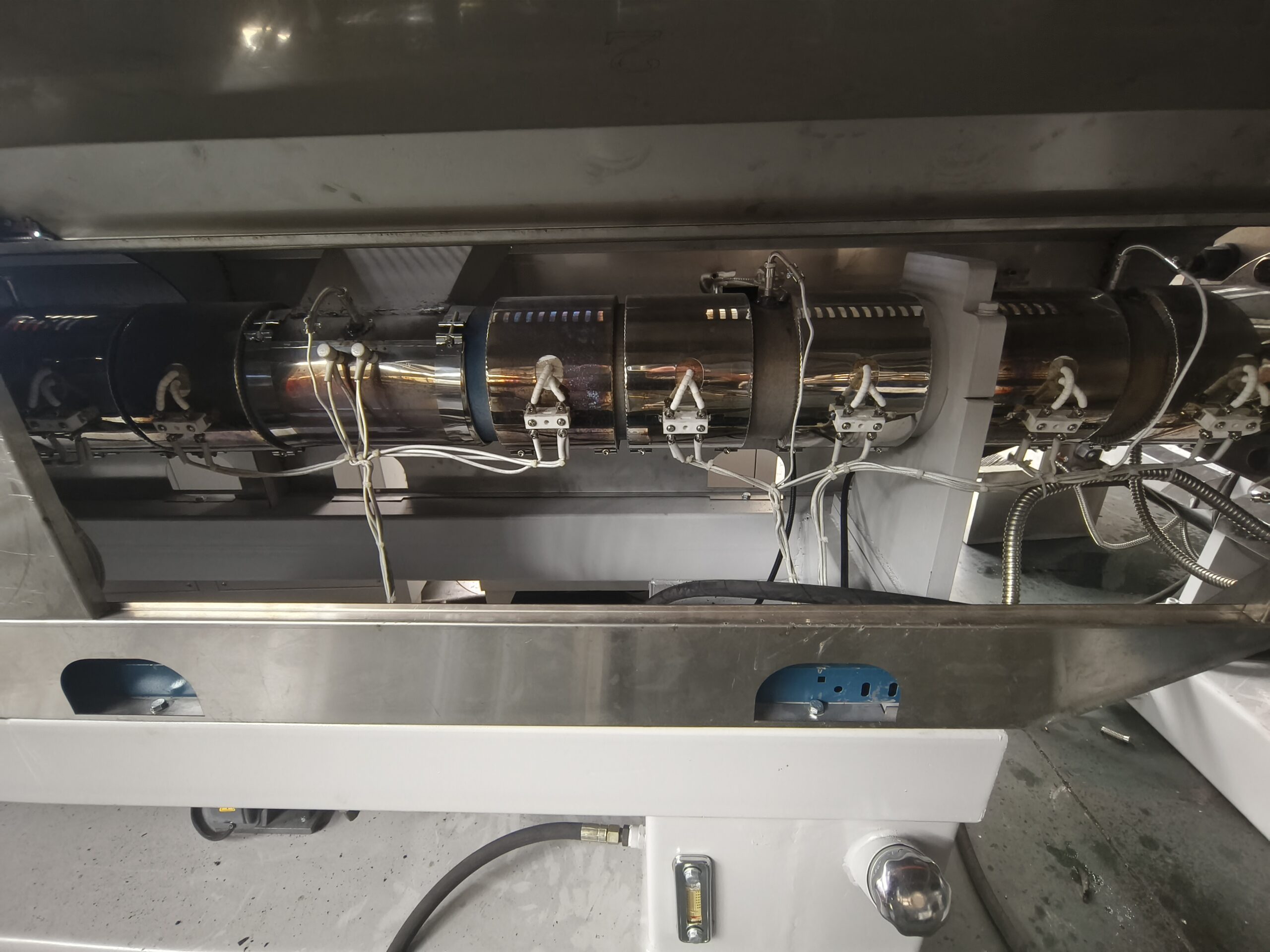
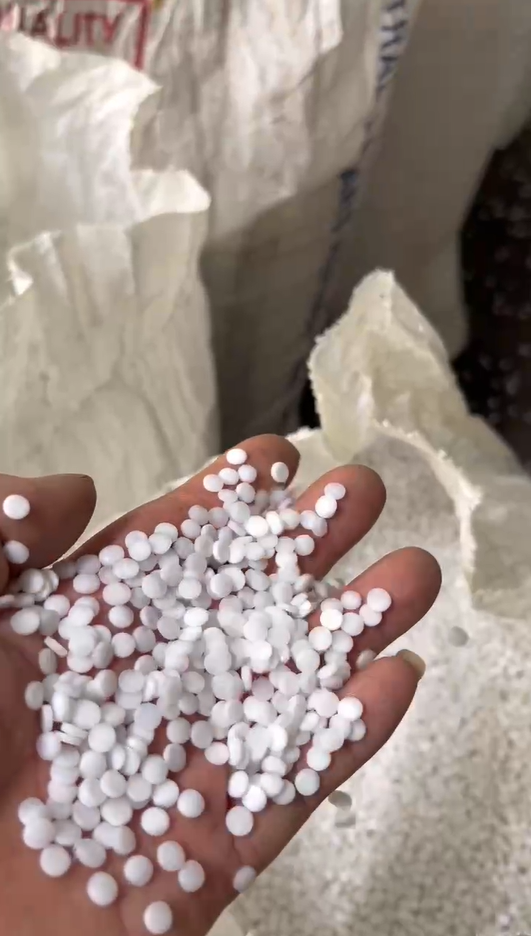
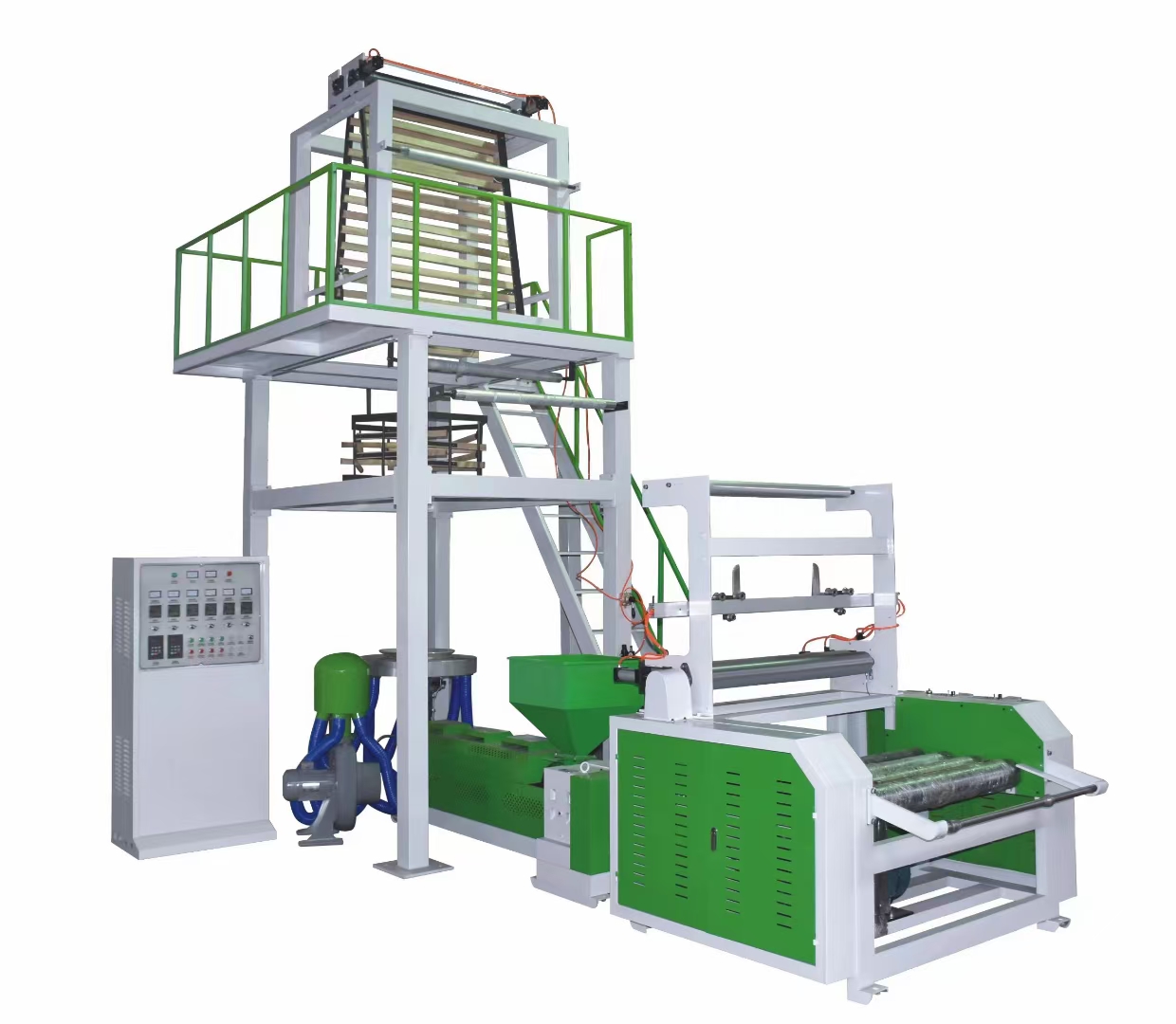
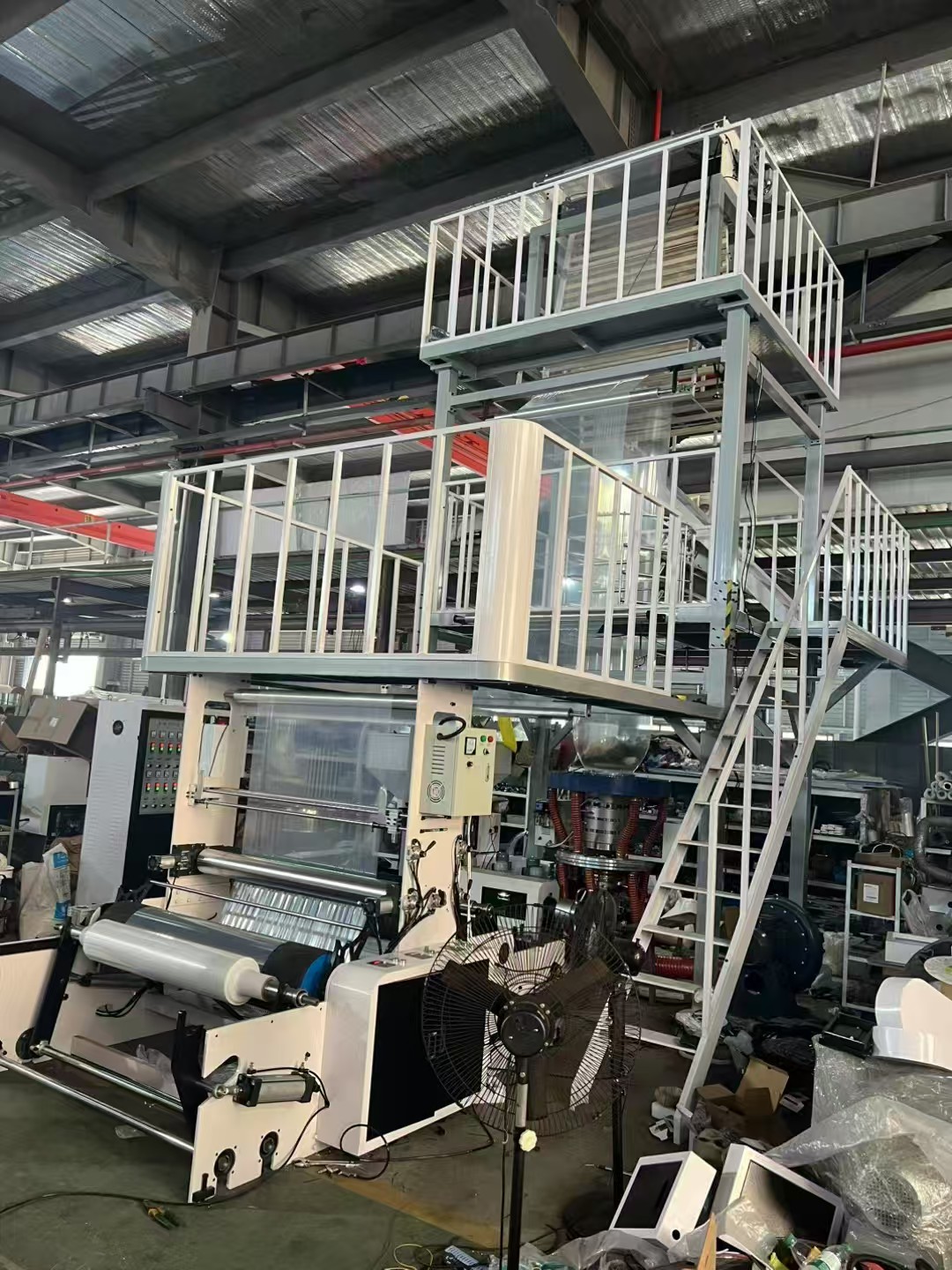
Taking the “700” mini single-screw model shown in the video as an example, we can analyze the practical value of this compact equipment by examining its key components: the vertical inflation and haul-off/winding system; the yellow die head and cooling air ring assembly; the multi-channel temperature control and electrical switch panel; the single-screw extrusion unit with a hopper featuring an inspection window; and the raw material—seen here as translucent plastic pellets. The multi-roller guidance and tension control system ensures the film moves downward smoothly, minimizing wrinkles, misalignment, or localized stretching, thereby maintaining a consistent, uniform surface.
The haul-off rollers, featuring a diamond-patterned, anti-slip texture, provide a secure grip that maintains stable traction while reducing slippage, ensuring that the haul-off speed remains perfectly synchronized with the extrusion rate.
The design maximizes vertical space: the system extends upward from the haul-off and winding unit at the base to the elevated A-frame (collapsing frame) and bubble path. This vertical, three-dimensional layout ensures high space efficiency, making it ideal for facilities with limited floor area. As the camera pans upward and to the side, one can see the yellow annular die head and cooling air ring mounted atop the main unit, surrounded by a silver-white blower housing, black corrugated air ducts, and the overhead guiding framework. Once extruded from the die, the translucent plastic bubble is inflated upward, cooled and set by the air ring, and then guided back downward into the haul-off section. In the blown film process, cooling and bubble stability are critical factors that determine film transparency, thickness uniformity, and production output:
Air-cooling rings and multi-duct air supply: Cooling air is delivered uniformly around the bubble via air rings and ducts, accelerating the cooling and solidification of the polymer melt and ensuring the bubble remains stable as it rises and is drawn upward.
Elevated guidance and lay-flat transition: Overhead guide rollers and support structures provide a clear path for the bubble’s transition. When combined with a smooth-running haul-off (take-up) system, this helps minimize thickness variations caused by bubble oscillation.
Compact, integrated machine design: The main extruder, cooling blowers, electrical control cabinet, and haul-off/winding units are highly integrated. This reduces the footprint—avoiding the need for long, sprawling pipelines—making the system ideal for smaller facilities or pilot/sampling production lines. Real-time multi-zone temperature and status monitoring: Digital displays and status indicators allow operators to intuitively monitor temperature setpoints and actual values, enabling precise, real-time adjustments to process parameters based on the melting characteristics of the raw material.
Centralized control and rapid response: Switches, knobs, and indicators are organized by function, streamlining tasks such as preheating, managing air-cooling systems, adjusting haul-off speeds, and performing shutdown inspections—thereby reducing the risk of human error.
Modular drive systems and easy maintenance: Independent motors and clearly routed cabling simplify routine inspections, maintenance, and component replacement, helping to minimize downtime and ensure continuous production. Whether using virgin resin or processed, pelletized recycled material, stable feeding and plasticization are essential for ensuring high-quality film:
Transparent hoppers for efficient monitoring: A viewing window at the top allows operators to check material levels without opening the lid, which prevents dust or debris from entering the hopper while ensuring timely replenishment for a continuous supply.
Versatile single-screw design: The single-screw extrusion system features a compact, easy-to-maintain design, making it well-suited for processing common polyethylene-based raw materials and handling frequent product changeovers for small-to-medium-batch orders. The state of the raw material pellets determines the foundation for the molding process: the semi-transparent pellets shown in the image are relatively uniform in size. Their cleanliness directly influences the uniformity of plasticization, the control of “fish-eyes” (gel particles), as well as the light transmission and tensile toughness of the final film.