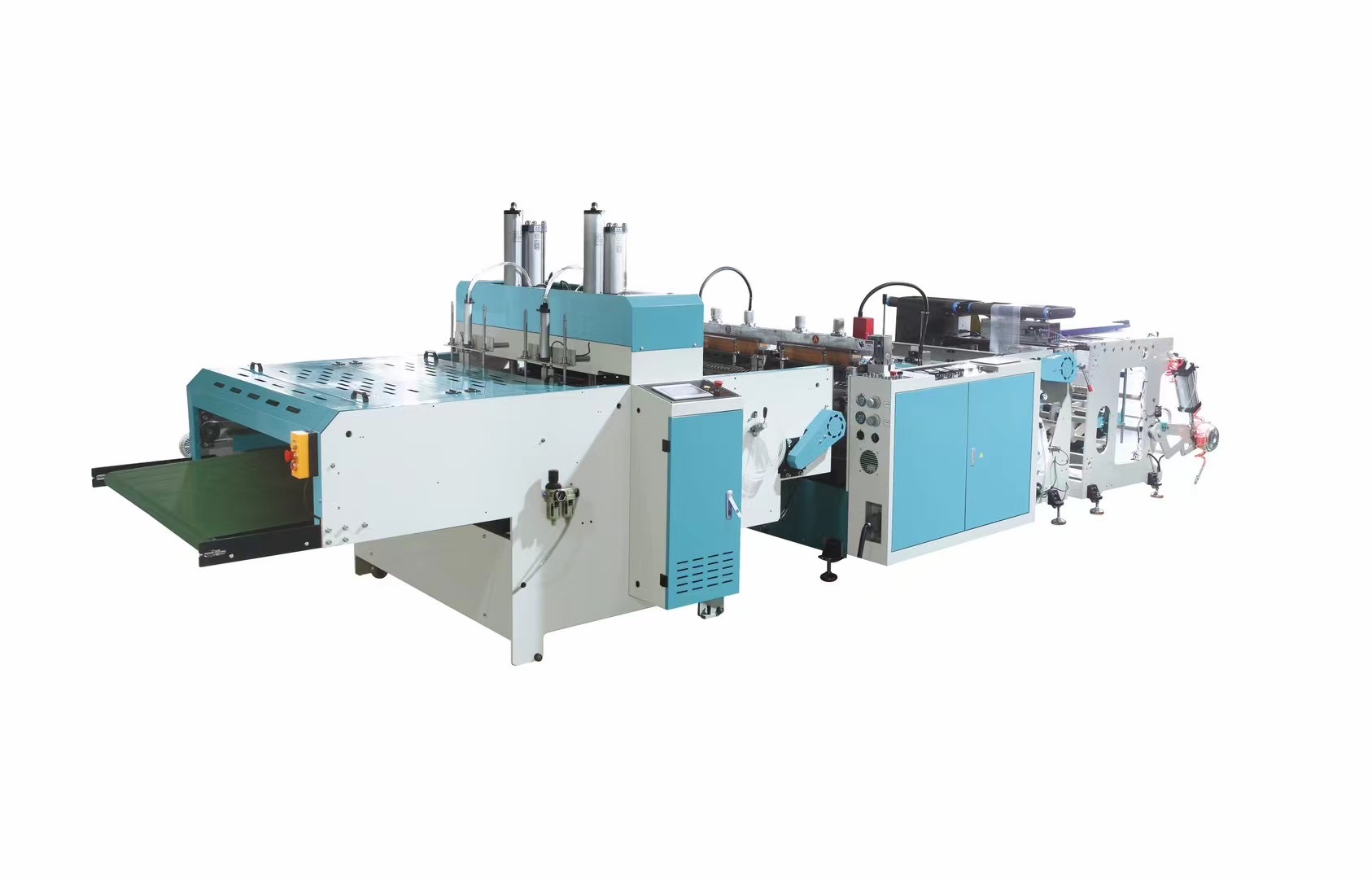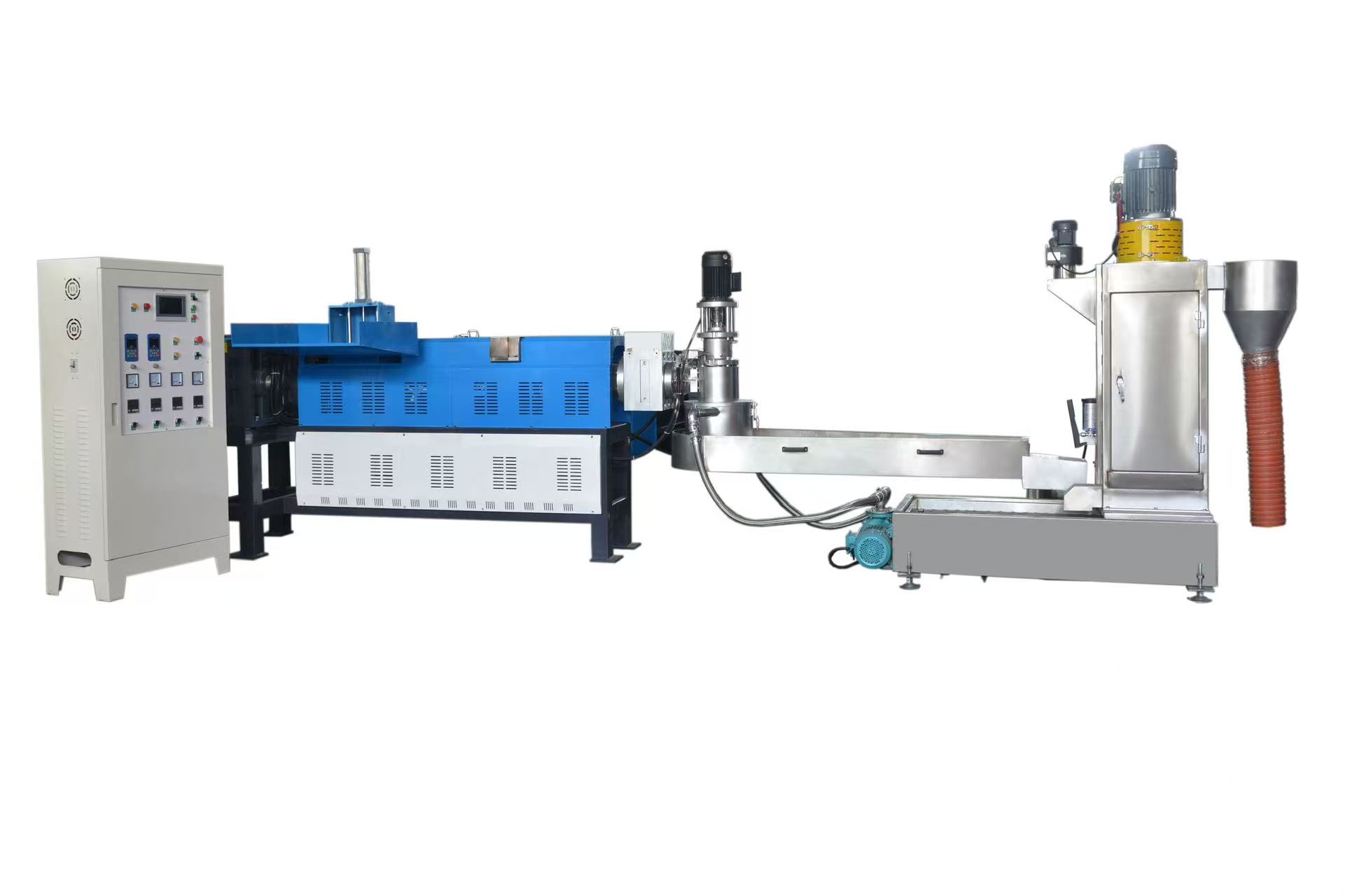

A Direct Look at the Source: How Plastic Recycling and Granulation Systems Evolve from Core Components to Complete Production Lines. In the plastics recycling and compounding industry, many buyers focus exclusively on the technical specifications of individual machines, often overlooking how the entire production line performs as an integrated system within an actual factory environment. In reality, a plastic recycling and granulation system—one capable of long-term stable operation, easy daily maintenance, and future capacity expansion—relies on the seamless coordination of various components: the primary extrusion-granulation unit, electrical control cabinets, stainless steel storage silos, cyclone separators, blowers, and pneumatic conveying piping.
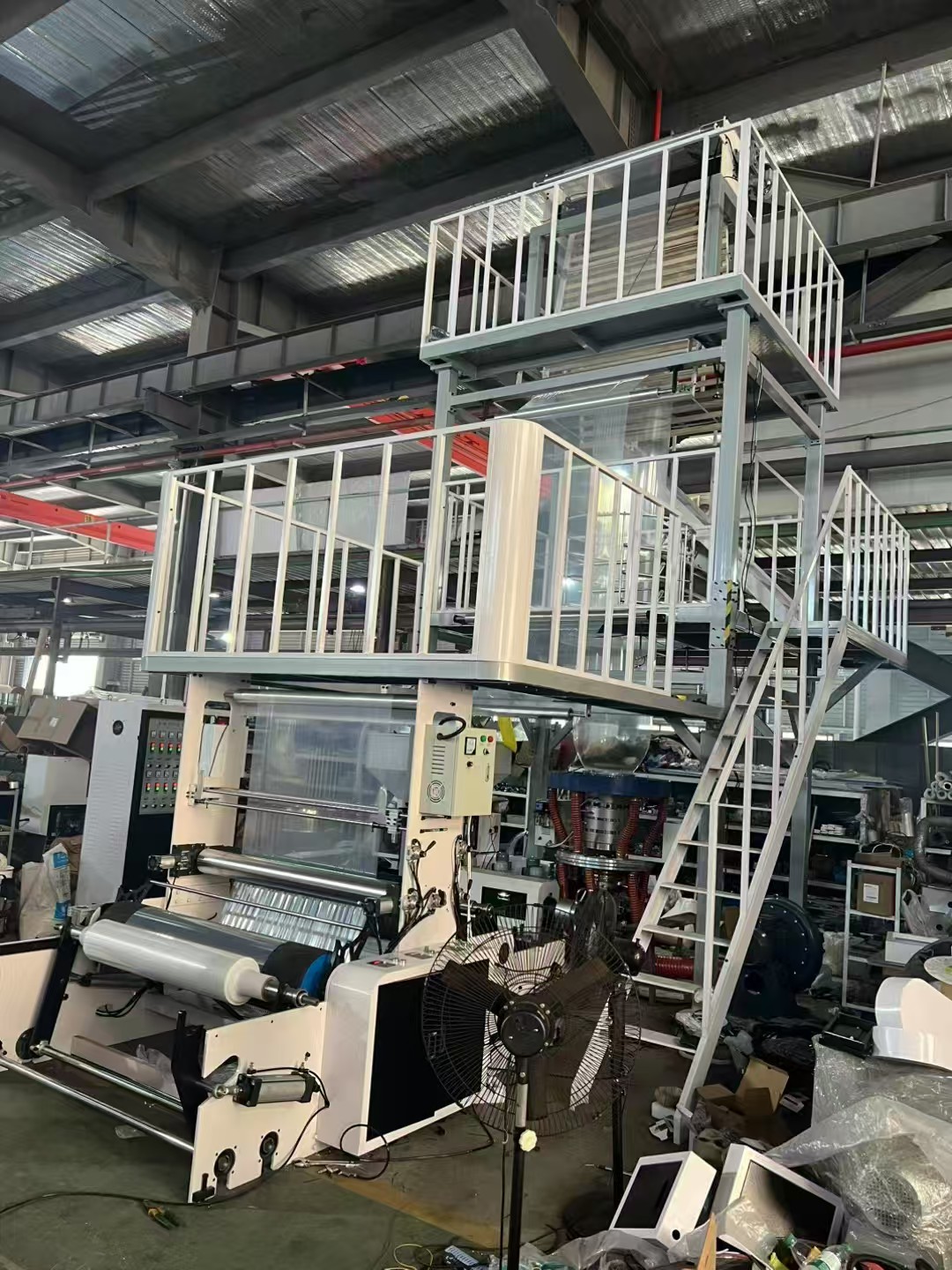
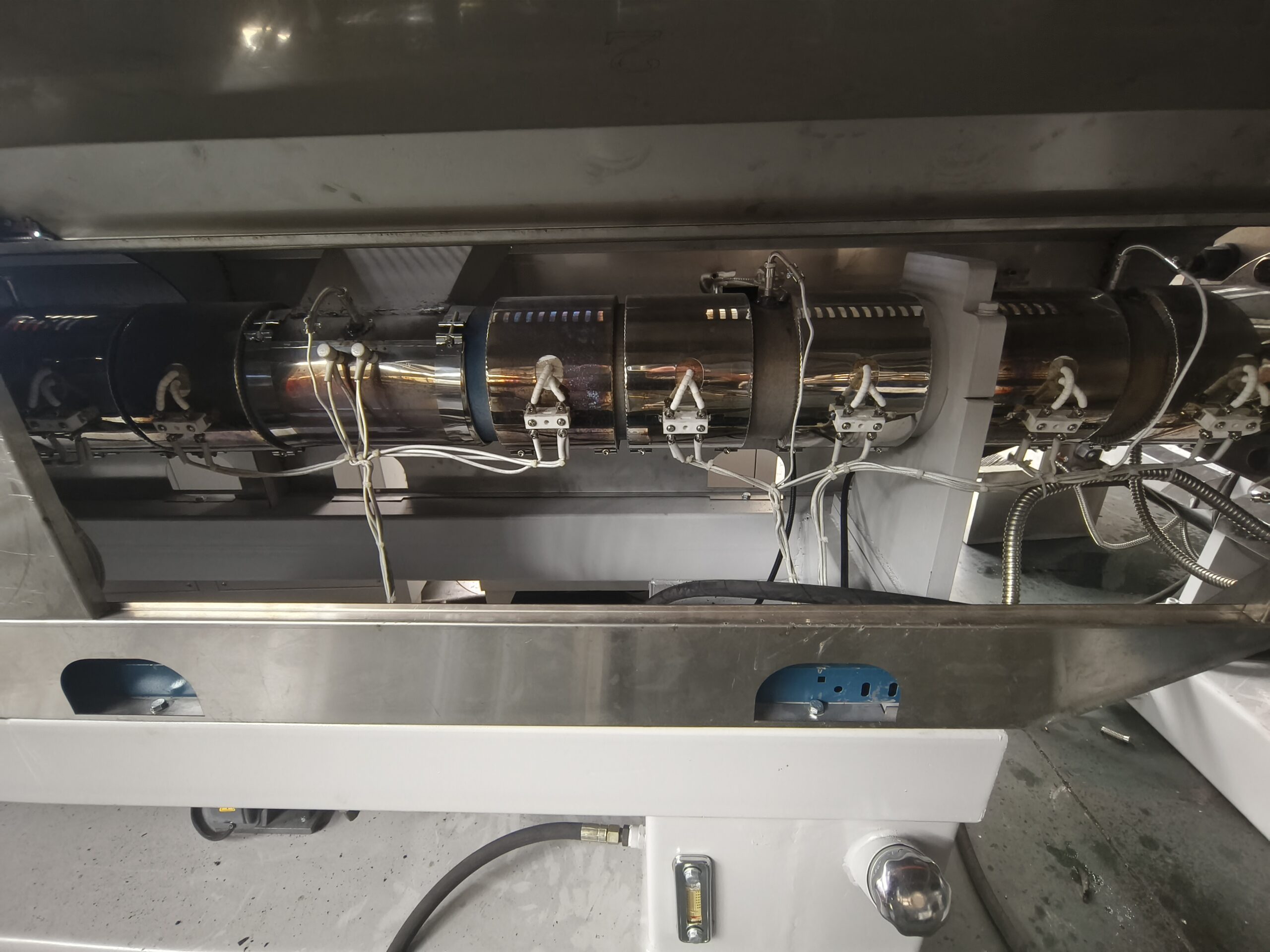
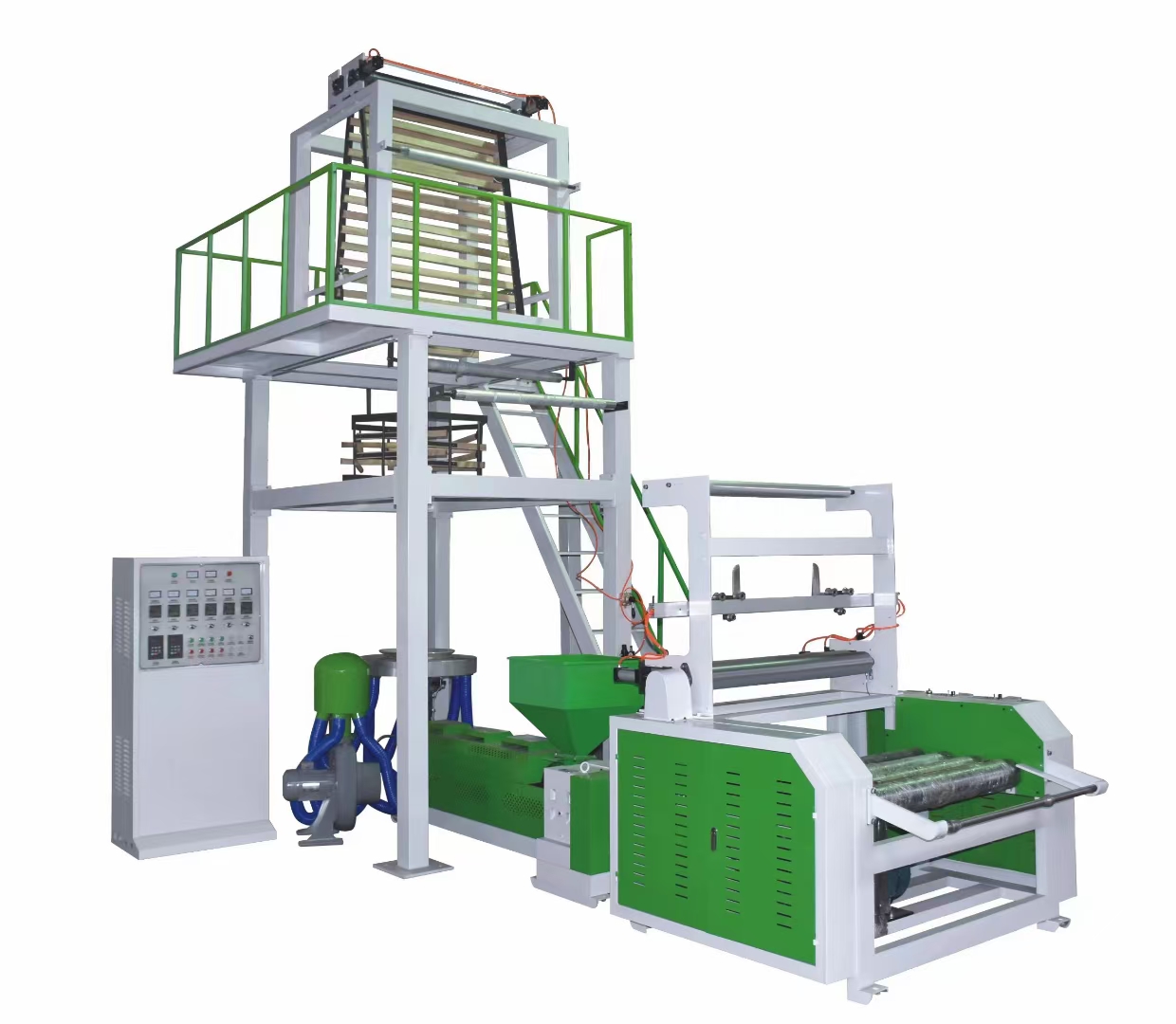
Footage from the workshop floor reveals the assembly and commissioning of multiple units, including blue-bodied extrusion-granulation machines, banks of white electrical control cabinets, large metal conical-bottom storage silos, vertical cyclone separators, industrial blowers, and corrugated conveying ducts. These scenes of manufacturing and assembly provide a clear view of how a complete plastic recycling and granulation system takes shape, step by step, before being deployed to a production line. The workshop floor is populated with extrusion-granulation units—featuring blue protective shrouds and robust, dark-colored load-bearing bases—surrounded by components awaiting assembly, such as screw-and-barrel sets, gear-driven units, blower assemblies, and metal support frames. The simultaneous assembly of multiple units of the same or similar specifications highlights the significant value of standardized manufacturing and modular design in modern industrial equipment.
For plastic recycling and granulation facilities, modular and standardized assembly offers several practical advantages:
Simplified Maintenance of Key Components: The clear layout of protective shrouds, machine bases, feed inlets, and drive motors makes it easier for operators to perform routine inspections, clear residual material, and replace wear-and-tear parts.
Seamless Capacity Expansion and Multi-Unit Integration: When a facility needs to increase production capacity—or process different colors and sources of plastic feedstock on separate lines—the well-structured, standardized nature of these systems facilitates the parallel installation or phased commissioning of multiple units. More thorough integrated testing before shipment: Conducting preliminary assembly and inspection of the main unit, motors, electrical control systems, and auxiliary piping within the factory helps identify assembly nuances early on, thereby shortening the commissioning period during on-site installation for the customer. For overseas buyers, managers of plastic manufacturing plants, and entrepreneurs planning to invest in plastic recycling and pelletizing, the most critical factors when selecting an equipment supplier are typically delivery reliability, customization capabilities, and long-term after-sales support. The assembly progress visible on the factory floor—with both individual components and complete units present—serves as a clear demonstration of the manufacturer’s engineering prowess:
Short communication channels, rapid response to customization: Waste plastic types, contamination levels, moisture content, available facility space, and power supply standards vary significantly by region. Engaging directly with the technical and assembly teams at the manufacturing site makes it easier to tailor equipment configurations to the customer’s specific raw materials and site conditions.
End-to-end oversight, robust quality control: By managing the entire process in-house—from the fabrication of structural components and the selection of motors and blowers to electrical wiring and the integration of storage and conveying systems—the manufacturer ensures that the equipment reaches a high level of completeness and operational readiness before it ever leaves the factory.
Balancing initial investment with long-term operating costs: Solid metal construction, practical auxiliary equipment, and well-planned maintenance access help businesses control upfront procurement costs while minimizing the risk of downtime and the burden of maintenance over the long term. Whether establishing a new plastic pelletizing facility or upgrading an existing recycling and processing line, choosing a robust, well-integrated, and easy-to-maintain system is a crucial step toward achieving stable, reliable production. From the simultaneous assembly of multiple extrusion-pelletizing units to the integration of electrical control cabinets, stainless steel storage silos, cyclone separators, and conveying pipelines, every detail is designed to ensure efficient, continuous, and controllable production. If you are looking for plastic pelletizing machinery, plastic recycling equipment, or integrated storage and conveying systems tailored to your specific raw materials and production capacity requirements, please contact our engineering and sales team via our official website. We are ready to provide detailed technical solutions, equipment configuration recommendations, and personalized price quotes.