From Cutting and Welding to Electrical Commissioning: The Rigorous Manufacturing Process of Heavy-Duty Plastic Granulation and Recycling Equipment
In today’s increasingly competitive plastics processing and recycling industry, the long-term, stable performance of a machine on the factory floor is largely determined during the initial stages—steel cutting, frame welding, and electrical wiring. For overseas buyers, plastic manufacturing plant owners, and investors in recycling and granulation, selecting equipment is not merely about purchasing machinery; it is about acquiring a scalable, reliable, easy-to-maintain production system capable of generating consistent profit.
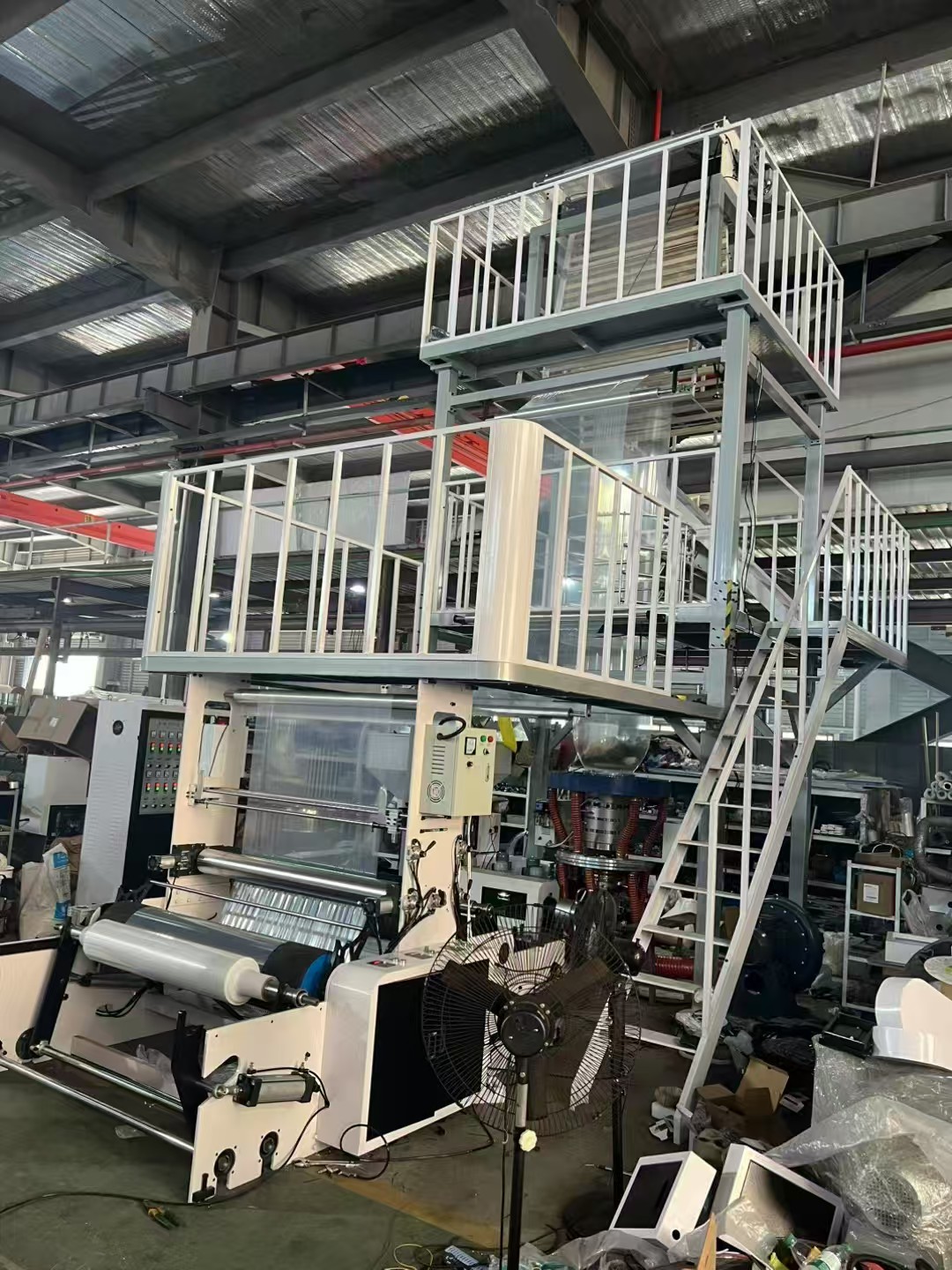
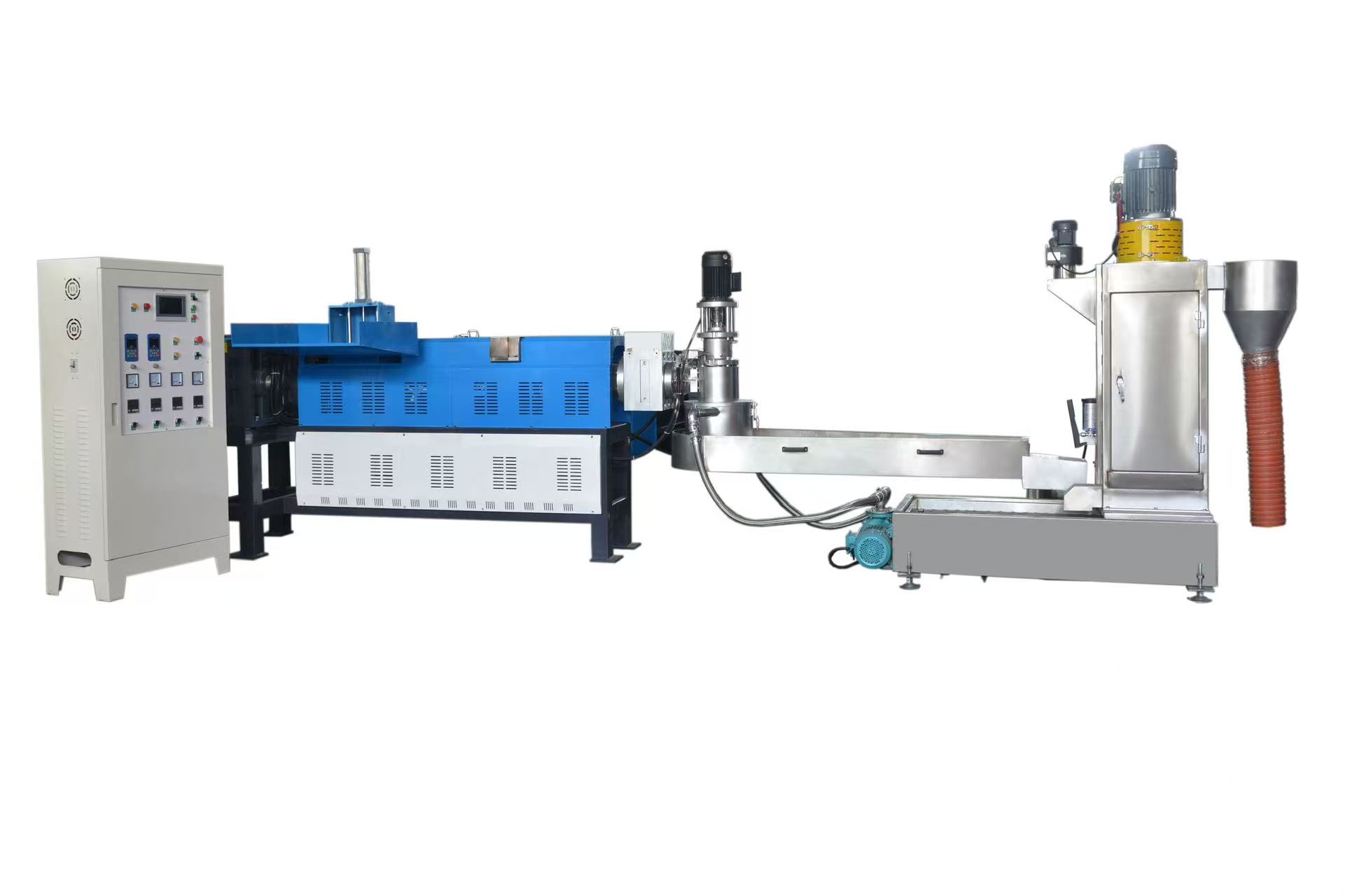
Stepping into a real-world manufacturing workshop—amidst the sparks of cutting and welding, the meticulously organized wiring within electrical control cabinets, and the gradual assembly of extrusion units, stainless steel storage silos, cyclone separators, and pneumatic conveying ducts—one can clearly witness the transformation of individual components into a fully integrated plastic granulation and recycling system. High structural integrity: The use of heavy-gauge steel combined with standardized welding techniques minimizes structural fatigue and minor deformation during prolonged, high-load operation, thereby reducing abnormal vibrations and noise.
Ease of maintenance and repair: Thoughtfully designed access ports and precise mounting surfaces streamline the future removal, installation, and calibration of motors, gearboxes, hoppers, and ductwork.
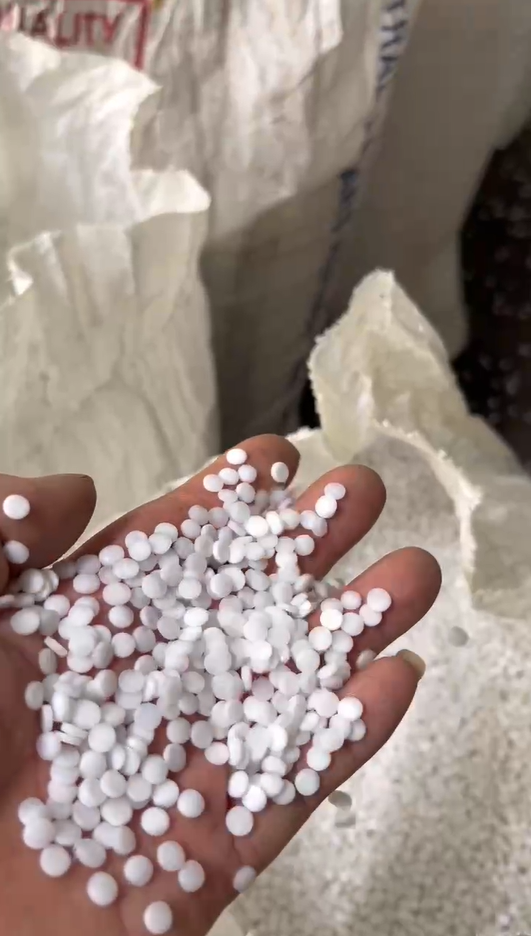
Adaptability to diverse operating conditions: Whether for standard processing lines or reinforced configurations tailored to specific plastic materials, a robust manufacturing foundation ensures a longer service life for the entire system. Precise speed control and stable plasticization: Variable frequency drives (VFDs) allow for smooth speed regulation of the main unit, feeding systems, and pelletizing components. This enables the optimization of rotational speed and torque to match the specific characteristics of different plastic raw materials, resulting in superior output uniformity and pellet quality.
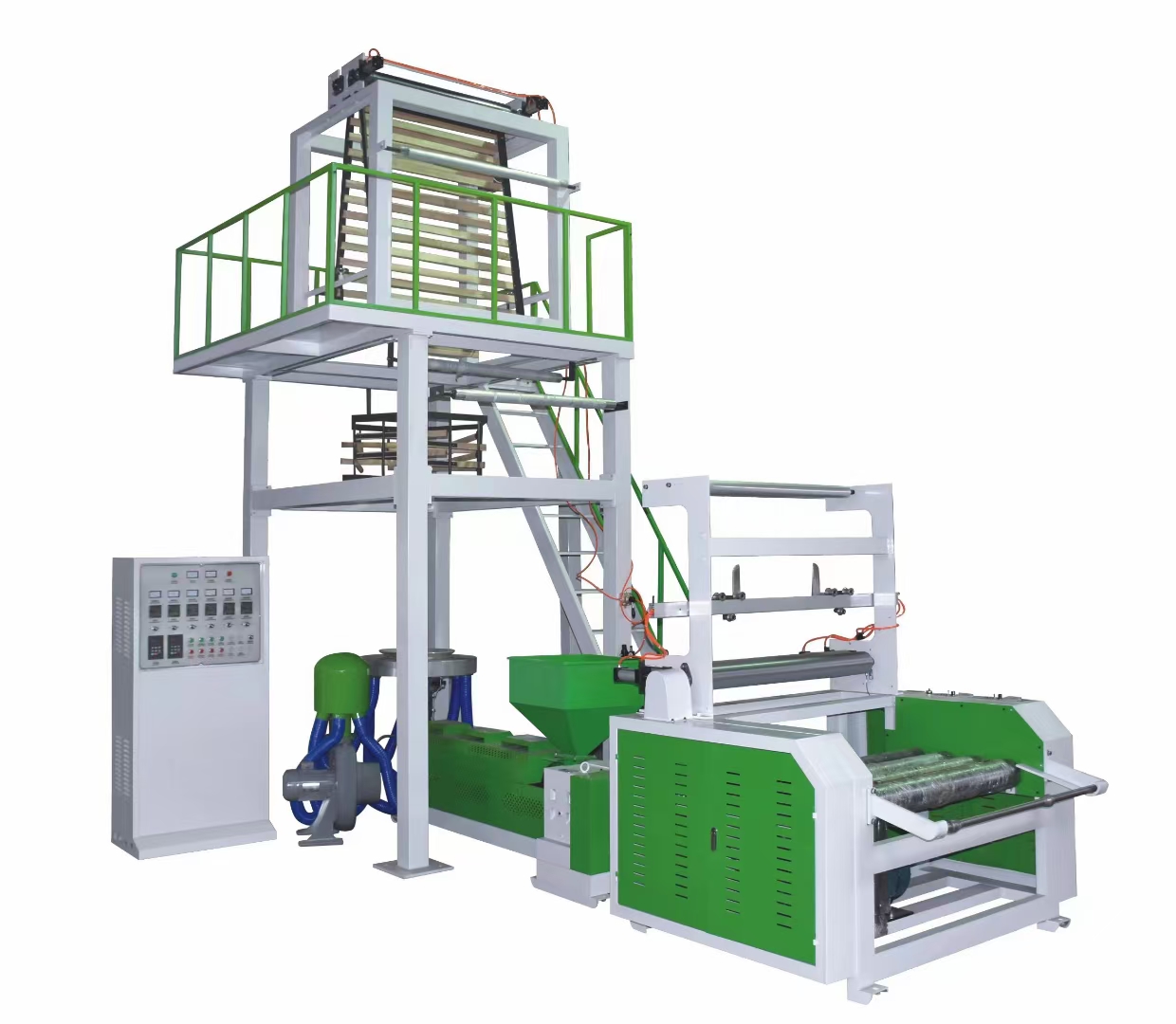
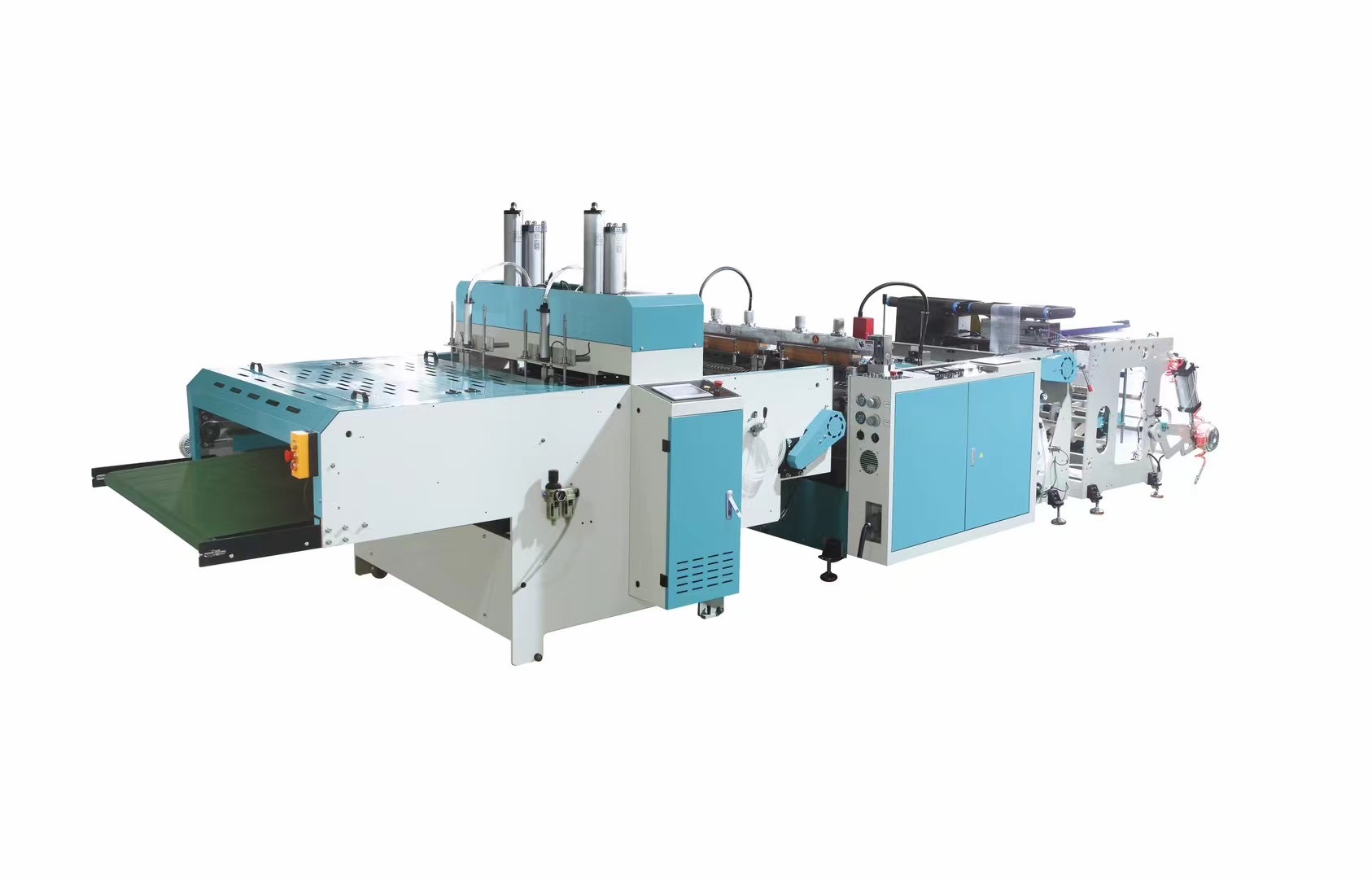
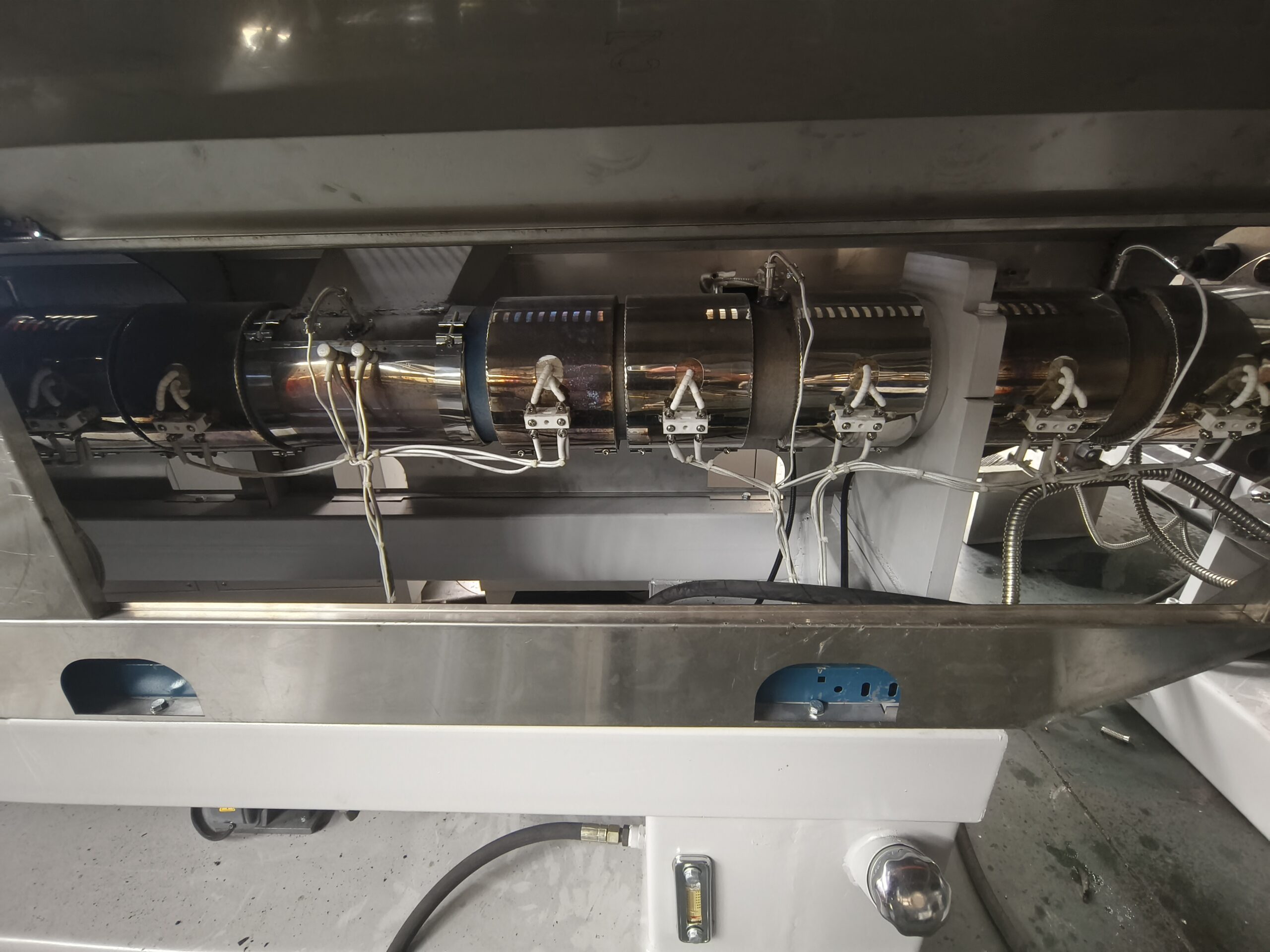
Temperature control and operational visibility: Intuitive digital displays and control panels allow operators to monitor key parameters at a glance, shortening the learning curve for new staff and minimizing the risk of operational errors. Standardized wiring enhances maintenance efficiency: Clearly labeled wires, neatly organized cable trays, and a modular component layout not only improve heat dissipation and interference resistance but also simplify future troubleshooting and component replacement, thereby reducing equipment downtime. A well-engineered plastic granulation and recycling production line is never merely a collection of isolated, standalone machines; rather, it emphasizes seamless integration across the entire process—from feeding and plasticizing/granulation to conveying, collection, and sorting/buffering.
Stainless steel storage and buffering: A conical-bottom design facilitates smooth material discharge and minimizes dead zones where material might otherwise accumulate. The use of metal ensures excellent resistance to corrosion and wear while maintaining material purity—ideal for high-volume handling and consistent, stable feeding.
Synergistic cyclone separation and pneumatic conveying: By integrating blowers with conveying pipelines, the system enables efficient pneumatic transport and gas-solid separation for lightweight materials, dust, or granules. This improves the workshop environment and prevents raw material loss caused by leaks or spills.
Modular assembly and on-site commissioning: Performing core mechanical assembly, piping connections, and power-up testing at the manufacturing facility allows for the early identification of issues—such as fit tolerances or control logic errors—ensuring that the equipment can reach full production status more rapidly once it arrives at the customer’s site.