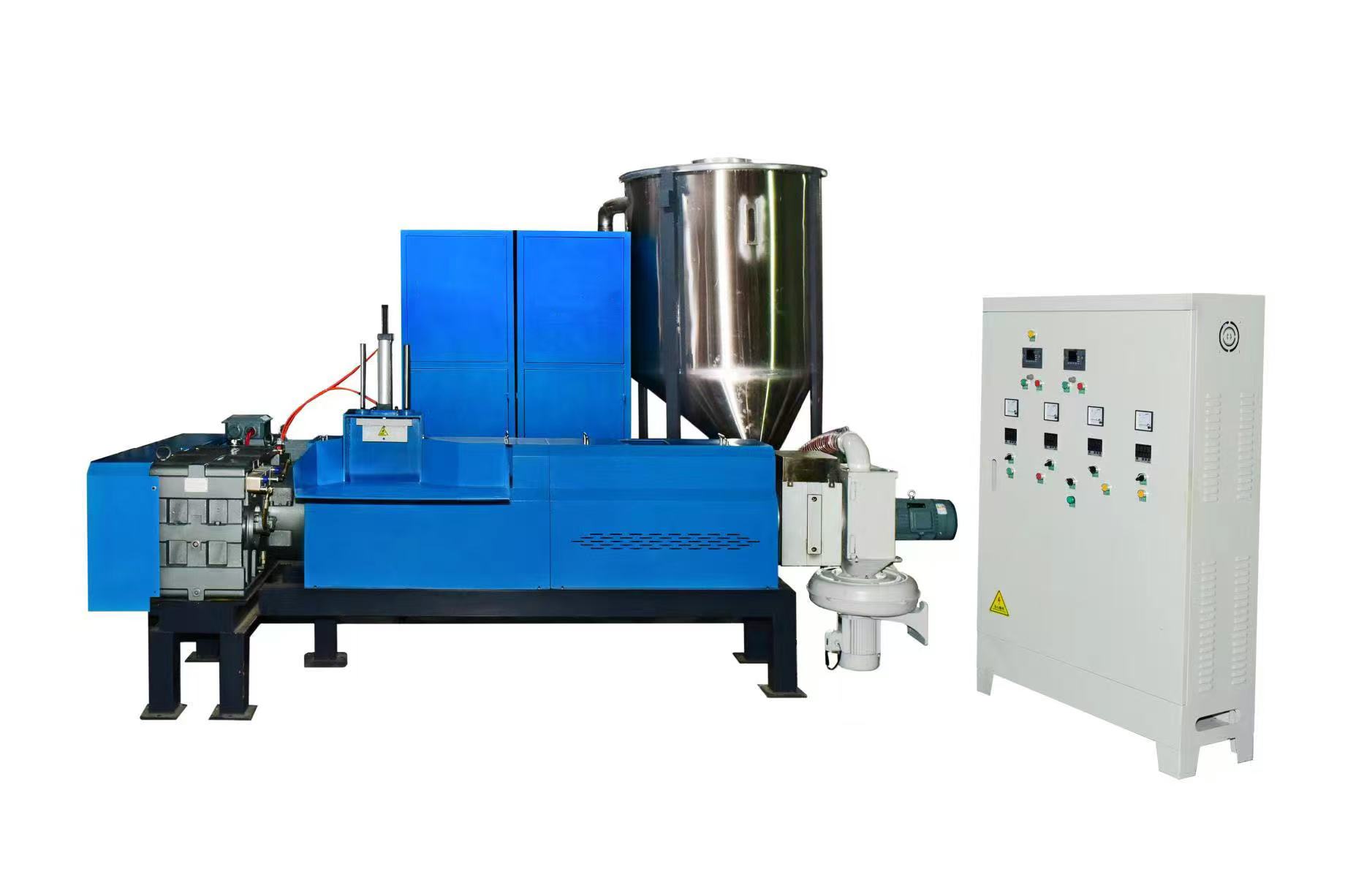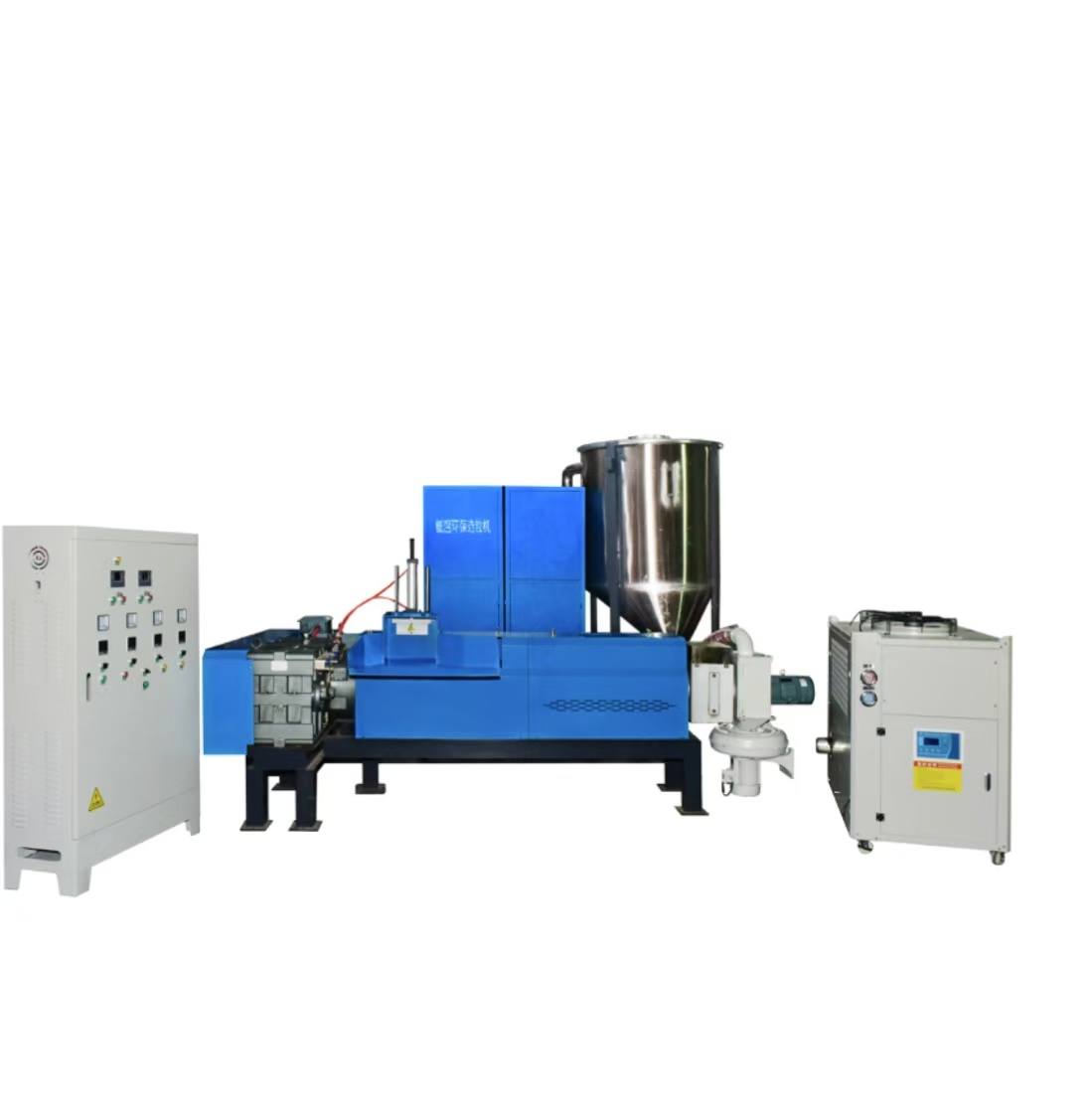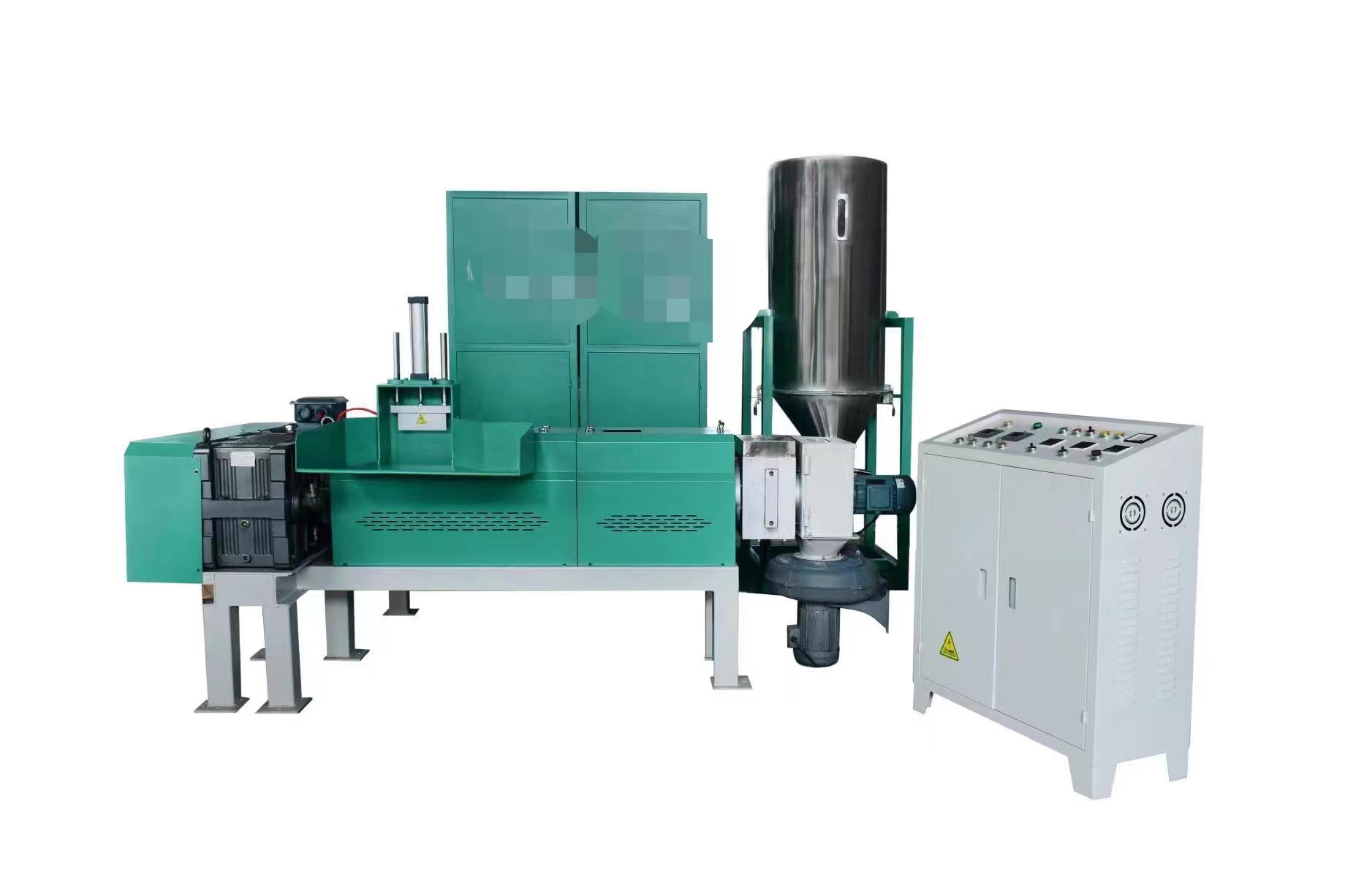
In the plastic recycling industry, what truly determines profit margins isn’t the raw materials themselves, but rather “processing capacity.” When waste bag material costing 4,000 yuan per ton is processed into high-quality recycled granules using an air-cooled granulator, its market value can reach 6,000 yuan per ton—an increase of 2,000 yuan per ton in profit. This isn’t just a price change, but a value leap brought about by technology.
From Waste to Profit: The Secret to Doubling Value
Waste bag material typically comes from:
Scraps from packaging bag production
Defective products from blown film factories
Waste from Brazilian bags (heavy-duty packaging bags)
Recycled old plastic bags
Before processing, this type of waste material has a market price of approximately 4,000 yuan per ton. However, if sold directly, the profit margin is limited, and the price is greatly affected by market fluctuations.
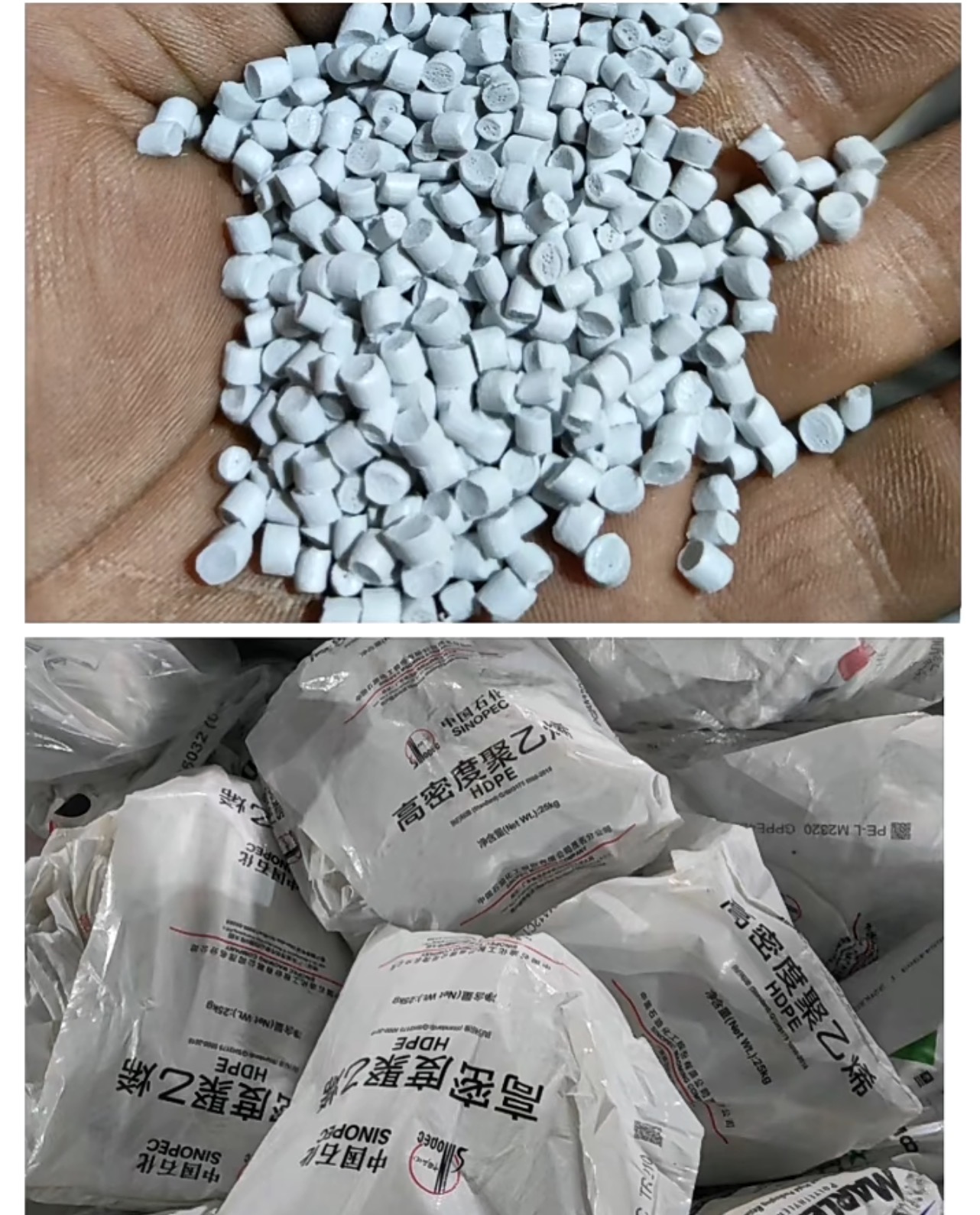
But after being crushed, melted, filtered, extruded, and pelletized using a professional air-cooled granulator, the waste material is processed into uniformly sized, consistently high-quality recycled granules, and the price can quickly increase to around 6,000 yuan per ton.
After processing, the product immediately transforms from “waste” into a “hot commodity.”
Brazilian Bag Waste: Immense Recycling Value
“Brazilian bags” are mostly high-strength woven or thick-film packaging bags, commonly used in heavy packaging industries such as fertilizers, feed, cement, and grain. These materials have the following characteristics:
Good material toughness
High strength
Stable melt performance
High reprocessability
For these reasons, Brazilian bag waste is very suitable for recycling using an air-cooled granulator.
After high-temperature plasticizing and impurity filtration, the produced recycled granules can be reused for:
Blown film bag making
Garbage bag production
Agricultural film processing
Injection molding products
Strong market demand naturally drives up prices.
Air-Cooled Granulator: Instantly Realize Profits
Compared to traditional water-cooled systems, air-cooled granulators offer significant advantages:
1️⃣ Environmentally Friendly and Pollution-Free
No wastewater discharge
No smoke or odor
Meets environmental standards
2️⃣ Lower Costs
No water circulation system required
Reduces water and electricity consumption
Reduces maintenance costs
3️⃣ Simpler Operation
One-button start
Automatic temperature control
Stable pelletizing
4️⃣ More Uniform Pellet Formation
The air-cooled hot-cutting system ensures consistent pellet size and a rounded appearance, enhancing sales competitiveness.
For processing Brazilian bags, LDPE, and HDPE film waste, air-cooled systems are particularly suitable for continuous production, offering high efficiency and rapid return on investment.
Profit Margins Clearly Visible
Let’s do a simple calculation:
Raw Material Cost: 4000 RMB/ton
Post-Processing Selling Price: 6000 RMB/ton
Value Added per Ton: 2000 RMB
If the equipment produces 300 kg per hour:
Based on 10 hours per day: 3 tons
Daily Gross Profit Increase: 6000 RMB
Monthly Profit Increase: Approximately 180,000 RMB (based on 30 days)
The payback period for equipment investment is significantly shortened.
This is why more and more plastic processing plants are choosing to build their own recycling and granulation production lines—to firmly control their profits.
V. The Core Logic of Turning Waste into a “Hot Commodity”
Why have recycled granules become a “hot commodity”?
The reasons are simple:
The price of virgin materials continues to rise.
The demand for recycled materials is constantly expanding.
Cost pressures drive companies to choose recycled granules.
Environmental policies encourage recycling.
As long as the granules are of stable quality, clean, and free of impurities, they will be quickly absorbed by the market.
The key to high-quality granules lies in the stability of the equipment and the precision of the filtration system.
Seize the Golden Opportunity of the Circular Economy
Globally, there’s a growing advocacy for plastic recycling to reduce resource waste. For manufacturing companies:
Waste is no longer a burden.
Inventory is no longer a pressure.
Processing costs become profit opportunities.
A stable and efficient air-cooled pelletizer is the engine of profit growth.
From 4,000 yuan to 6,000 yuan, it’s not just a change in numbers, but an upgrade in business thinking—turning “waste” into “value-added products.”
In today’s increasingly competitive plastics industry, whoever masters recycling technology holds the cost advantage and the initiative in profit.
Raw bag waste costing 4,000 yuan per ton, processed into recycled pellets by an air-cooled pelletizer, instantly becomes a “hot commodity” worth 6,000 yuan per ton.
This is not only the power of equipment, but also the trend of the circular economy era.
If you also have Brazilian bag waste, film scraps, or defective products, consider giving them a “new life.”
Turn waste into resources, and resources into profits.
Air-cooled granulators help you usher in a new era of value in plastic recycling.