I. Current Status of the Plastics Industry: Recycling and Regeneration Have Become a Necessity
Plastic products are widely used in packaging, agriculture, industry, construction, daily necessities, and many other fields. This inevitably leads to the generation of large quantities of plastic scraps, waste, and used materials. If these plastics are not effectively recycled, it will not only cause resource waste but also create a long-term burden on the environment.
Under the global trend of promoting a circular economy, green manufacturing, and low-carbon production, the plastics industry is undergoing a significant transformation:
From “producing only new materials” to “new materials + recycled materials” in parallel
From “high energy consumption and high emissions” to “energy saving, environmental protection, and intelligent manufacturing”
From “extensive processing” to “refined and standardized production”
And the plastic recycling granulator is the key equipment to achieve this transformation.
II. What is a Plastic Recycling Granulator? Why is it Irreplaceable?
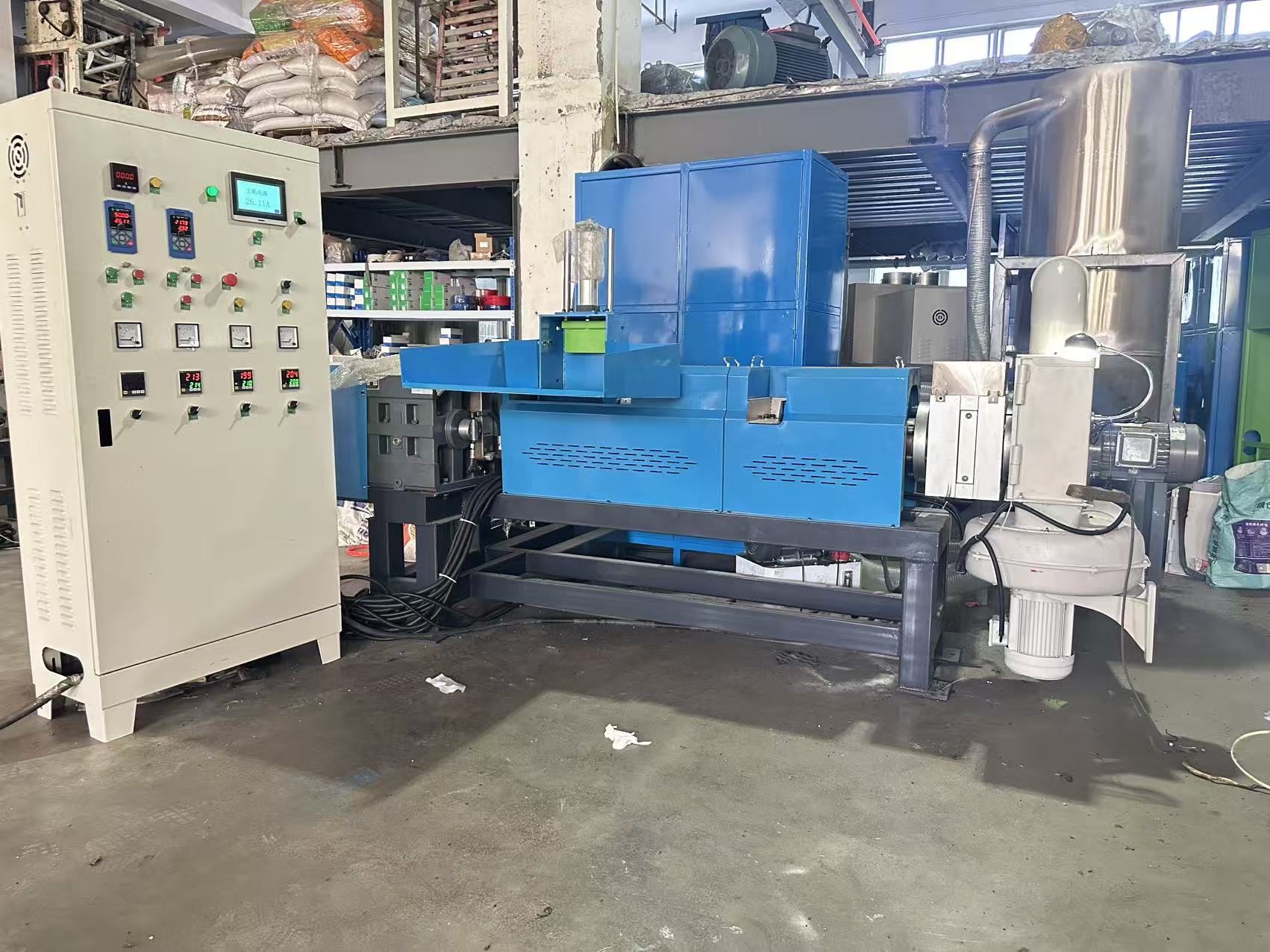
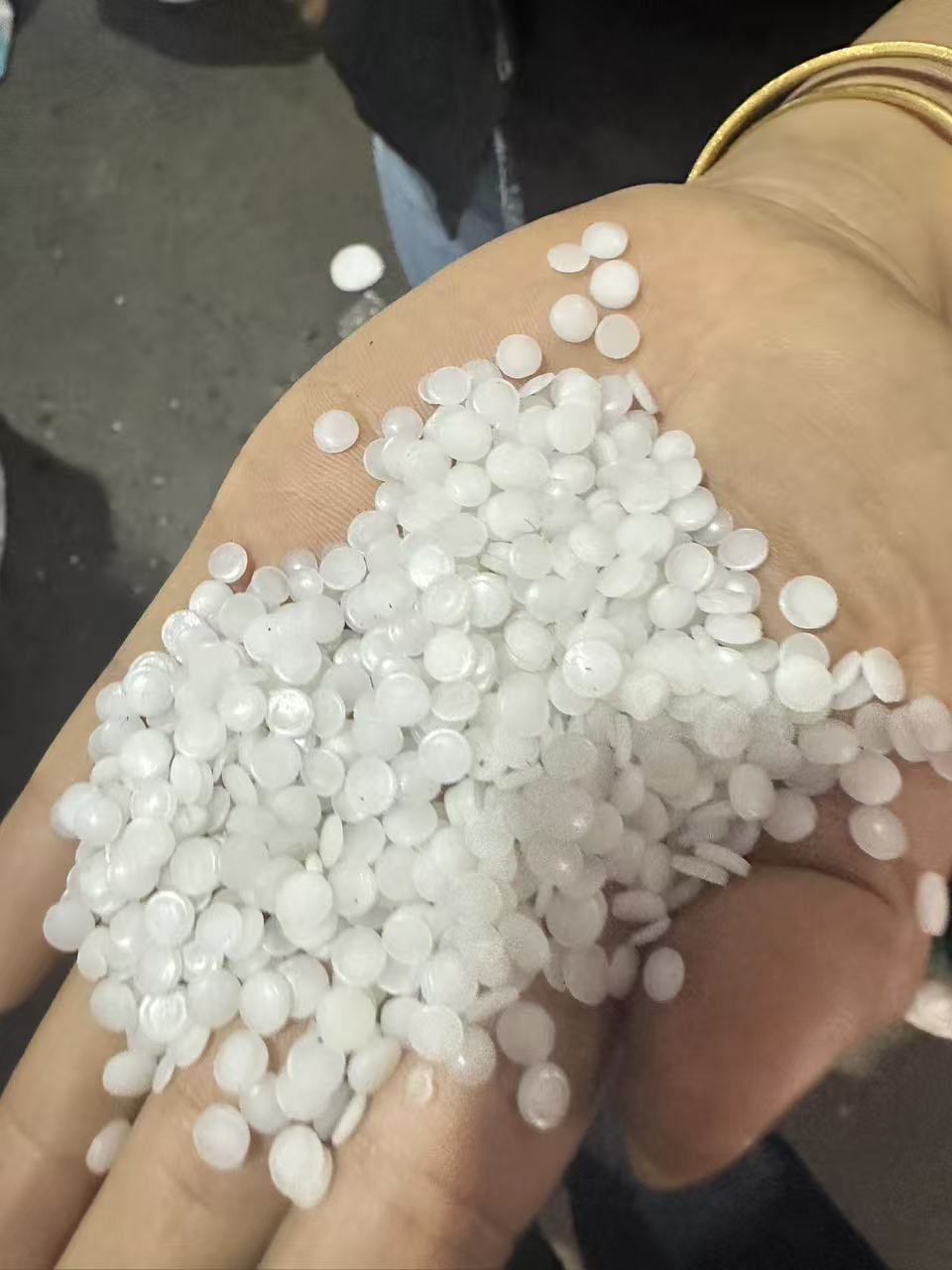
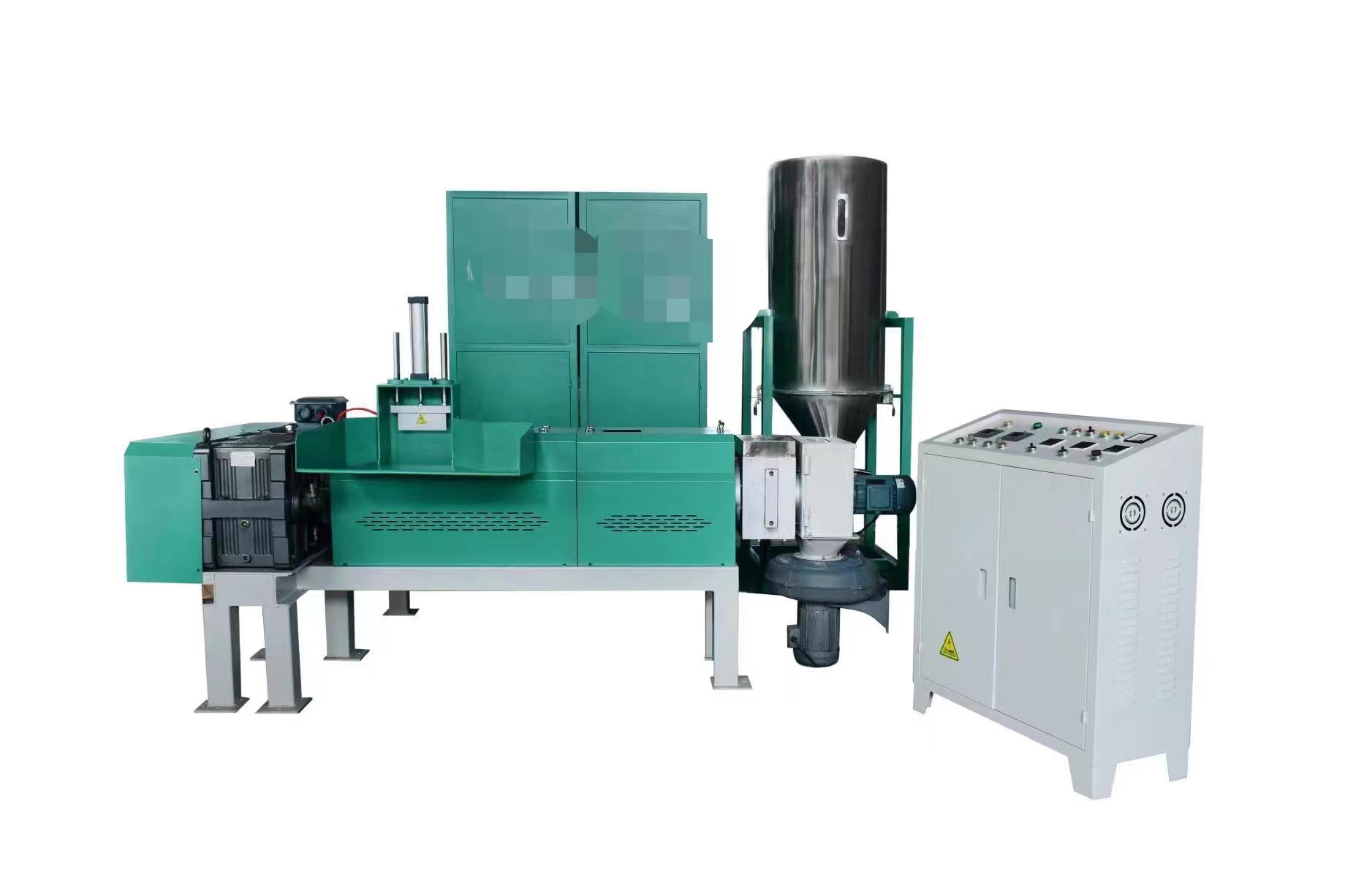
A plastic recycling granulator is the core equipment that processes waste plastics, scraps, and offcuts through processes such as **crushing, melting, filtering, and pelletizing (or cutting)** to produce uniform, reusable plastic granules.
These recycled granules can be used again in:
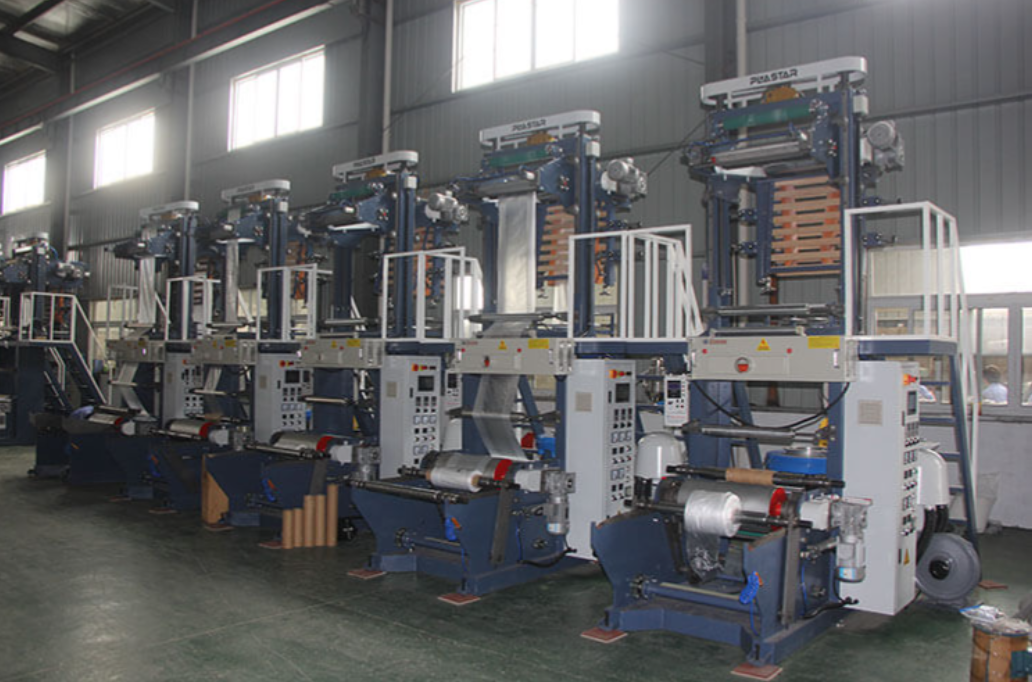
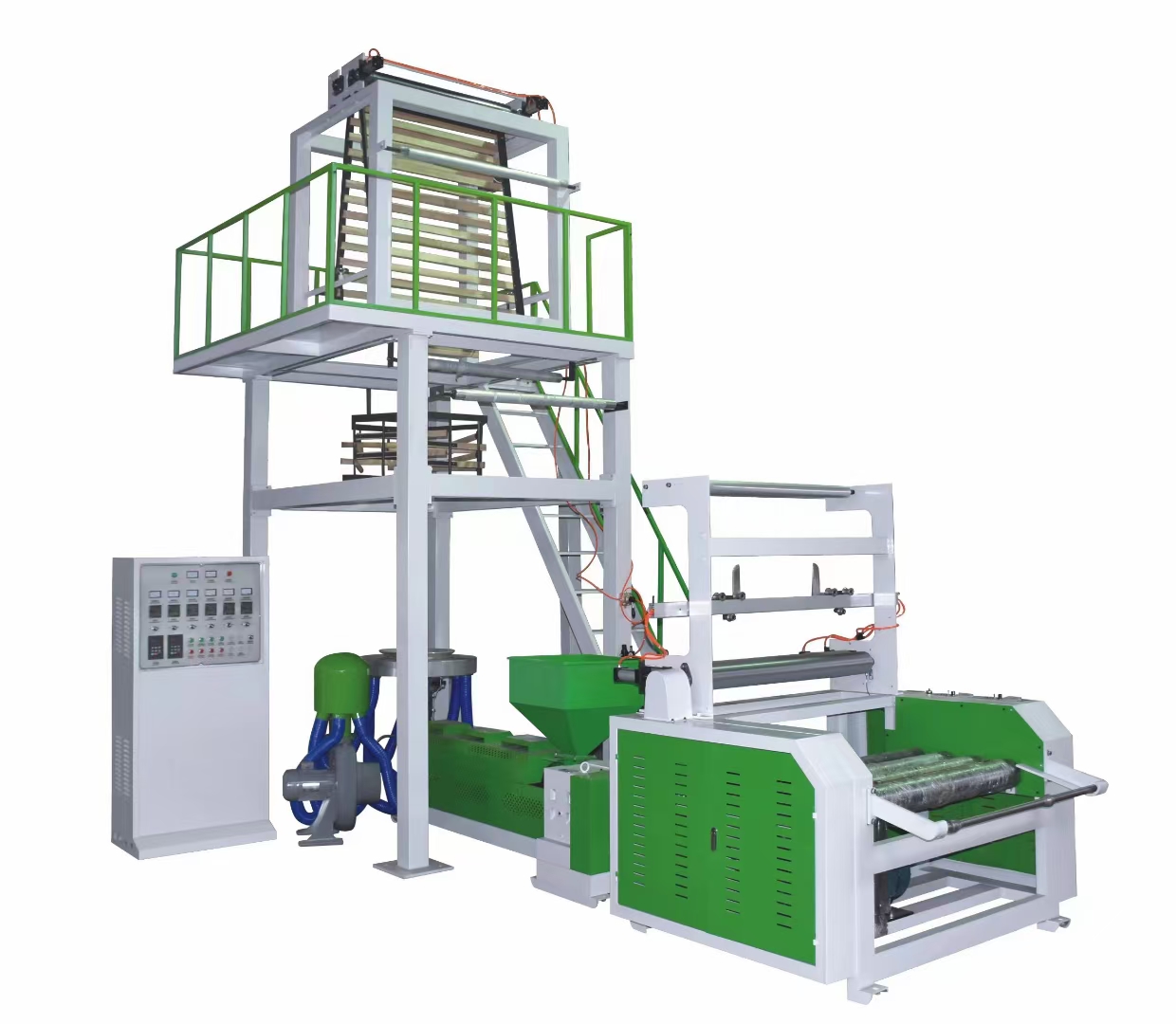
Blown film machines
Bag making machines
Injection molding machines
Extrusion equipment
Plastic pipe and profile production
In short: Without a granulator, plastic recycling cannot truly become productive.
III. Core Value of Plastic Recycling Granulators for Businesses
1️⃣ Significantly Reduce Raw Material Costs
The price of virgin plastics is greatly affected by international market fluctuations and is subject to frequent changes. By using a plastic recycling granulator to process the company’s own waste or recycled materials from the market into recycled granules, these can directly replace a portion of new materials.
For businesses:
Raw material costs are significantly reduced
Profit margins are more stable
Risk resistance is stronger
2️⃣ Turn Waste into Valuable Resources
Plastic scraps that were previously treated as waste can now be returned to the production line through a granulator, forming an internal cycle.
Reduces waste accumulation
Lowers disposal costs
Improves resource utilization efficiency
3️⃣ Enhance Corporate Environmental Image and Competitiveness
More and more customers, brands, and government projects prefer suppliers with environmentally friendly production capabilities. Owning plastic recycling and granulation equipment means:
Compliance with environmental policies and trends
Easier passage of environmental inspections
Easier access to long-term orders and cooperation opportunities
4. Increased production efficiency and reduced reliance on manual labor
Modern plastic recycling and granulation machines generally feature:
One-button start
Intelligent temperature control
Automatic feeding and automatic granulation
Not only is it easy to operate, but it also reduces manual labor, truly saving manpower, effort, and costs.
IV. The application scope of plastic recycling and granulation machines is extremely wide
Plastic recycling and granulation machines cover almost every segment of the plastics industry and can process a variety of materials:
PP, PE, HDPE, LDPE
Film materials, woven bag materials
Injection molding waste
Blown film scraps
Industrial plastic recycled materials
Whether it’s:
Small processing plants
Medium-sized plastic product enterprises
Large-scale recycling and regeneration bases
They all need a plastic recycling and granulation machine with stable performance, matching output, energy efficiency, and environmental friendliness.
V. Why is it considered “the most needed machine in the plastics industry”?
From a production perspective, it solves the cost problem;
From an environmental perspective, it solves the resource and emission problems;
From a business perspective, it solves the problem of long-term sustainable development.
In the plastics industry, there are few pieces of equipment that can simultaneously consider:
Economic benefits
Environmental value
Actual production needs
Industry development trends
And the plastic recycling and granulation machine is precisely such an indispensable core piece of equipment.
VI. Choosing a good granulator is more important than simply “having one”
Of course, there are many types of granulators on the market, but equipment that can operate stably for a long time must have:
Reasonable structural design
Durable core components
Precise temperature control
Uniform discharge
Energy efficiency and low consumption
Reliable after-sales service
A good plastic recycling and granulation machine is not just a piece of equipment, but the most trustworthy partner in a company’s production system.
VII. The future of the plastics industry is inseparable from recycling and granulation
It can be said that as long as plastics are still widely used, plastic recycling and granulation machines will always be an indispensable part of the plastics industry.
It not only helps companies reduce costs and increase profits, but also promotes the entire industry towards a green, circular, and sustainable direction.
If you are deeply involved in the plastics industry, or are preparing to enter the plastic recycling and reprocessing industry, then an efficient, stable, and environmentally friendly plastic recycling and granulation machine is a key piece of equipment that you cannot and should not miss. Plastics can be reused repeatedly, and their value can be continuously amplified, and all of this begins with a plastic recycling and granulation machine.